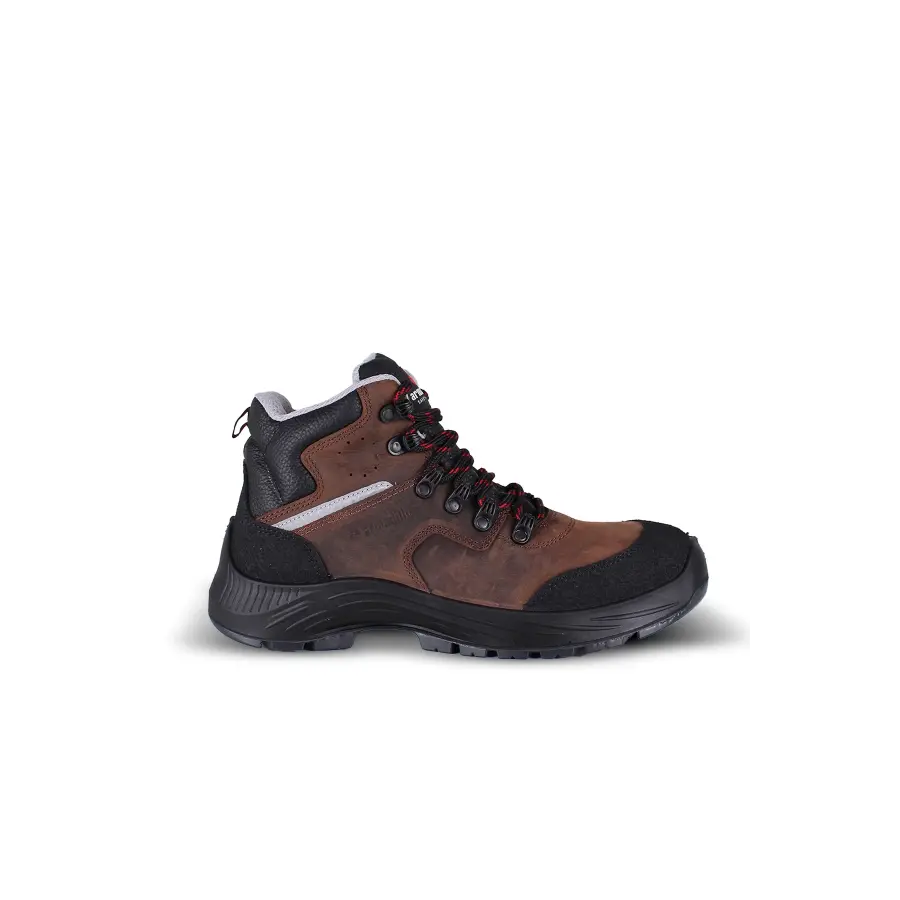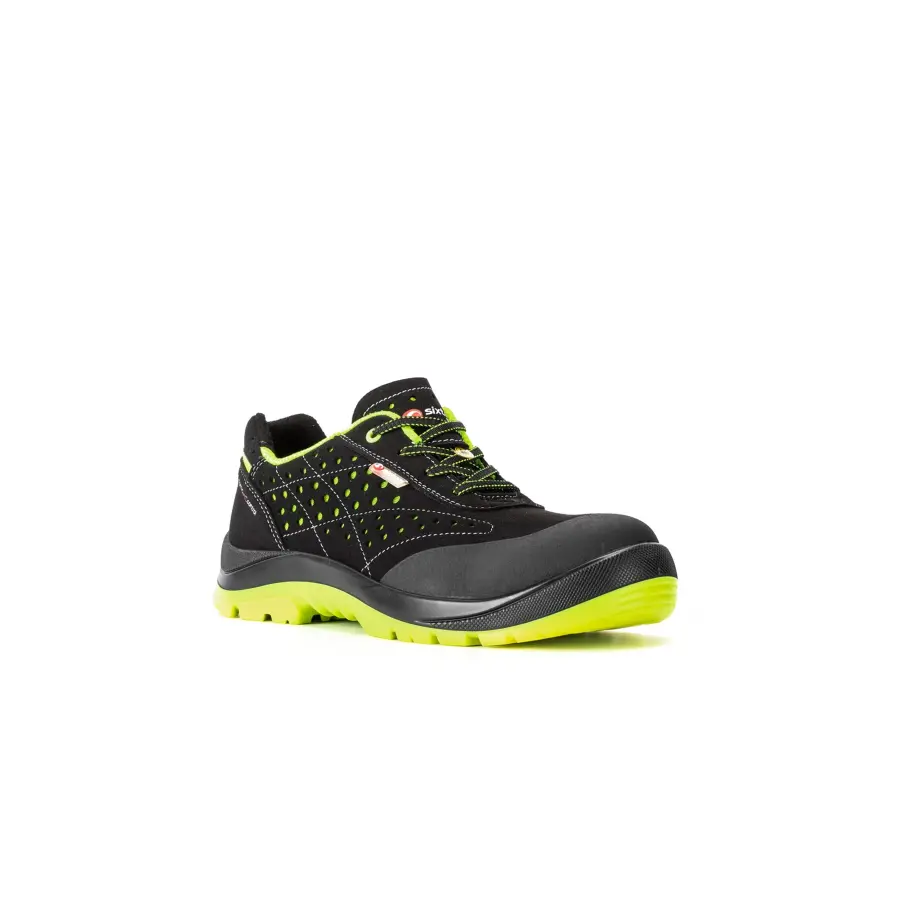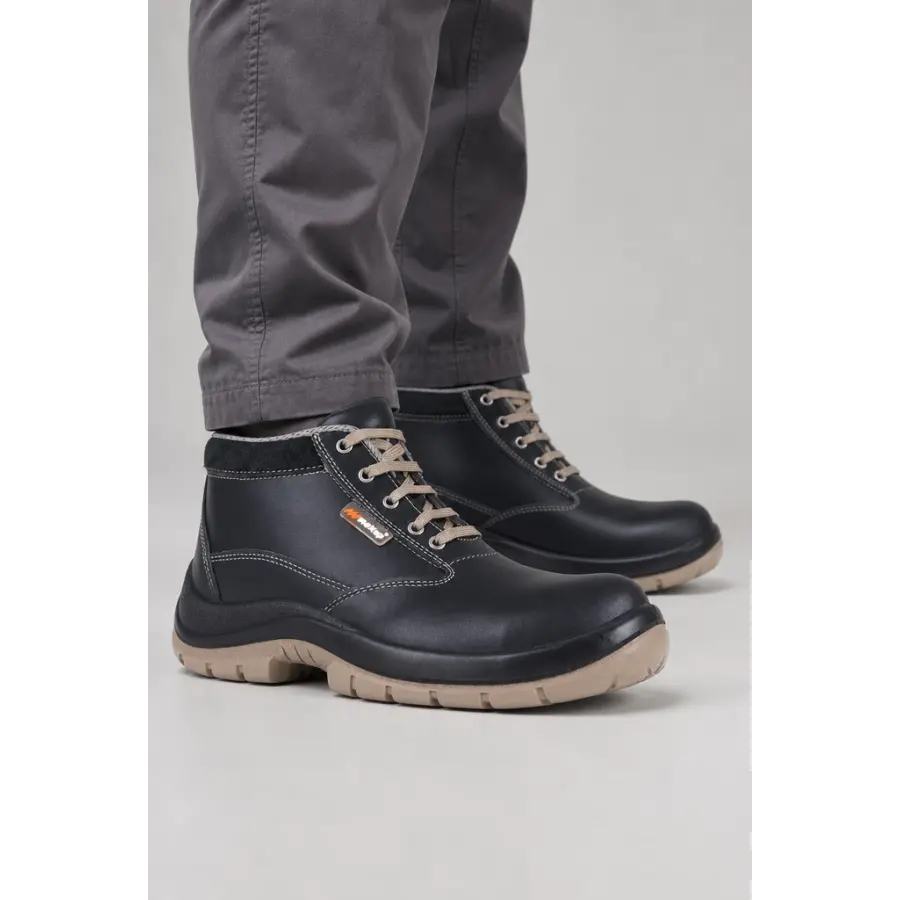




Composite toe safety boots can be considered as an alternative to steel toe models in work areas that require a toe cap. When choosing, look not only at the toe cap material but also at the product's safety class, sole construction, upper material, ankle height and conditions of use.
Composite toe caps can be made from various technical materials instead of metal. In some models this can make a difference in weight or how the boot feels in use. However, the level of protection cannot be judged from the toe cap material alone; the product's standard and class should be checked separately.
A composite toe cap may contain no metal; however, this does not mean that the entire product is metal-free or suitable for electrical hazards. If you have such a requirement, verify all of the product's specifications and the manufacturer's declarations separately.
Features such as slip resistance, puncture protection, antistatic properties or water resistance can vary by model. Do not infer these features from the product's appearance or from the term "composite toe" alone.
For safety boots worn for long periods, the fit, foot shape and sock thickness can affect your choice of size. Use the brand's size chart where available and make sure there is no unnecessary pressure in the toe cap area.
Depending on your conditions of use, you can also compare steel toe safety boots or work boots without a toe cap.
Steel Toe Safety Boots Non-Safety Work Boots


We use strictly necessary cookies to run this website. With your explicit consent we also use analytics and marketing cookies; in this context some data may be transferred to service providers outside Türkiye. You can change your choice at any time. Details: Cookie Policy