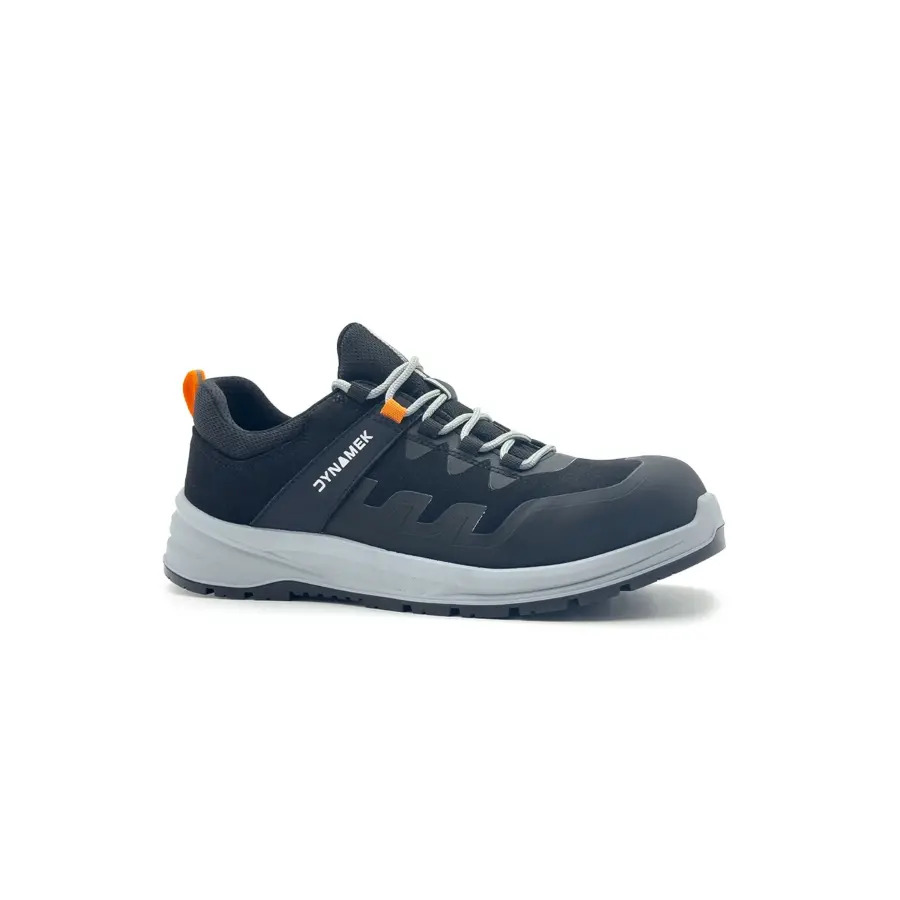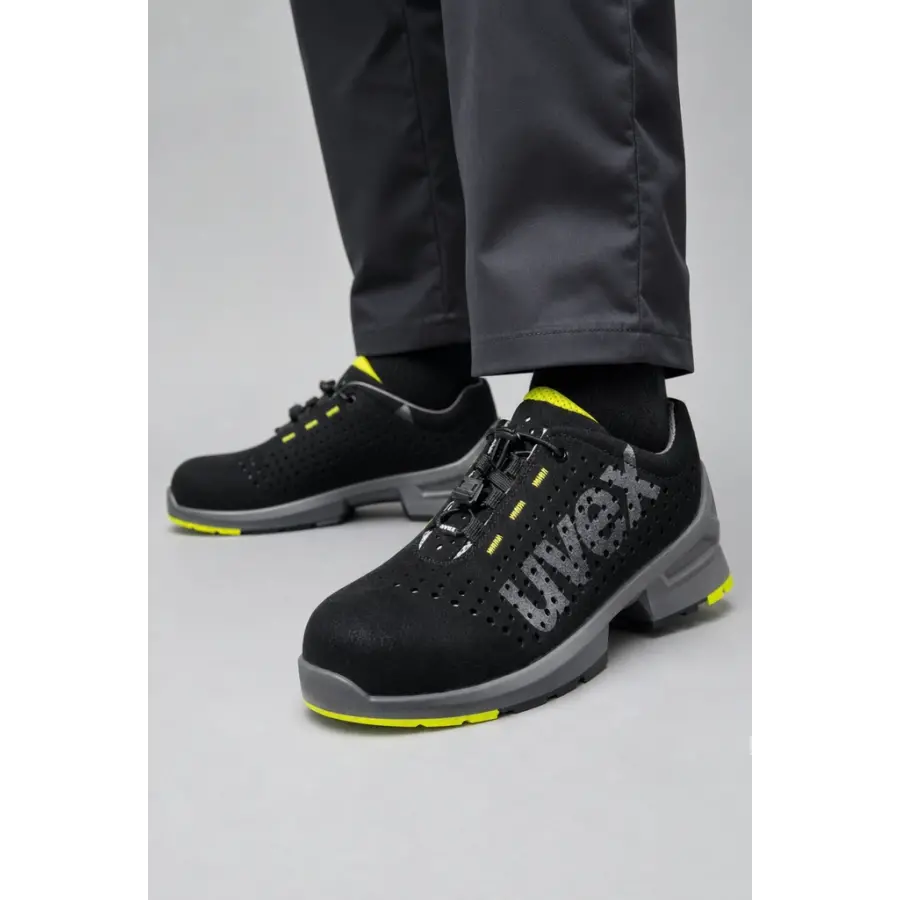




When choosing composite toe safety shoes, it is not enough that the toe cap is metal-free; you should also consider the safety class, sole construction, puncture resistance, working environment and correct sizing.
Composite toe caps can be made from non-metallic materials and, depending on the model, may differ in weight or feel. Assess protective performance not by the material name alone, but together with the product's relevant standard and technical class.
Steel and composite toe caps are made from different materials. Product weight, metal content and feel may vary by model. Which type is suitable depends on the working environment and the product's overall safety features.
Classes such as S1, S1P, S2 or S3 indicate different features of a shoe. A composite toe cap alone does not tell you enough about a product's puncture resistance, water-resistance properties or sole performance.
Compare your foot length with the brand's size chart, where available. The toe construction and last of safety shoes can feel different from casual shoes, so do not choose based solely on your usual casual shoe size.
If the type of toe cap matters to you, you can also browse steel toe safety shoes and compare the two product groups according to your needs.
Browse Steel Toe ModelsYou can find how composite toe caps differ from steel toe caps in the comparison in our steel toe safety shoes guide, and information on safety classes in the S1P vs S3 safety shoes guide.
Browse all options in the safety shoes category, and other personal protective products in the safety equipment category.


We use strictly necessary cookies to run this website. With your explicit consent we also use analytics and marketing cookies; in this context some data may be transferred to service providers outside Türkiye. You can change your choice at any time. Details: Cookie Policy