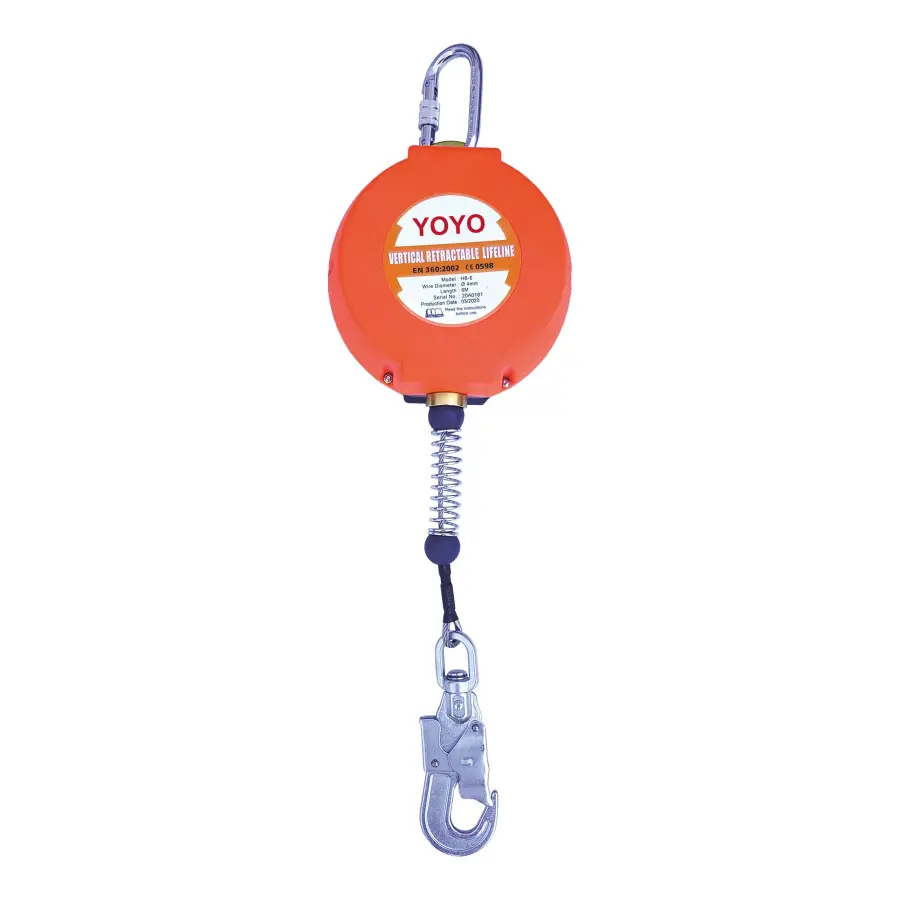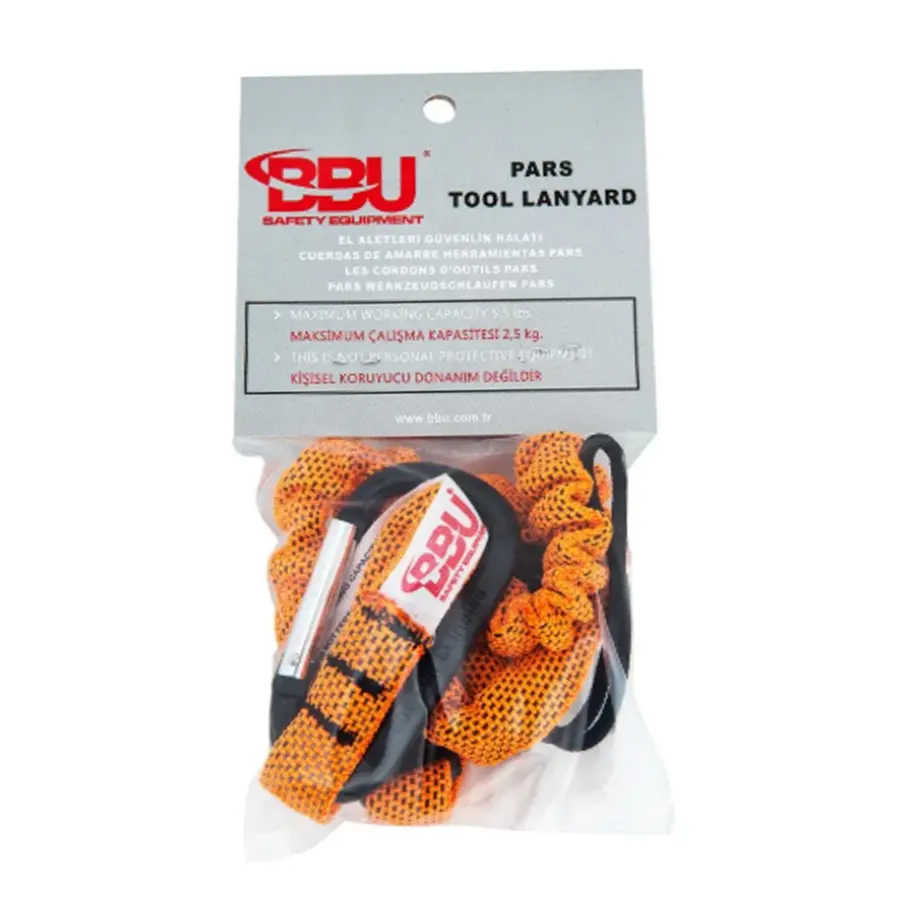





Work-at-height equipment should be assessed not as individual products but as parts of a compatible safety system. Components such as the full body harness, lanyard, connector, lifeline, anchor and fall arrester each perform a different function.
With a full body harness, correct sizing, the adjustment points and the intended use of the attachment rings are important. The harness must fit the body correctly and be compatible with the other components of the system it will be used with.
Lanyards, karabiners, hooks and similar connectors may differ in function and technical capacity. Do not choose based on appearance alone; check the standard, connection type and limits of use stated by the manufacturer.
Horizontal or vertical lifeline systems and anchor points are core parts of a fall arrest system. Line length or connection method alone is not a sufficient selection criterion; the system must be assessed as a whole.
When selecting a system, take into account the working height, anchor position, free fall distance and the risk of striking the ground or an obstacle. Base these calculations on the product manufacturer's instructions and your occupational safety procedures.
Work-at-height equipment should be inspected before each use for damage, deformation, wear and the condition of its connection points. Follow the manufacturer's instructions for periodic inspection intervals and the service life of the equipment.
If protection is also needed for the head, eyes or against other risks besides working at height, consider the relevant PPE categories separately.
Browse Safety EquipmentFor head protection, see the head protection category; for eye protection, see the eye protection category.


We use strictly necessary cookies to run this website. With your explicit consent we also use analytics and marketing cookies; in this context some data may be transferred to service providers outside Türkiye. You can change your choice at any time. Details: Cookie Policy