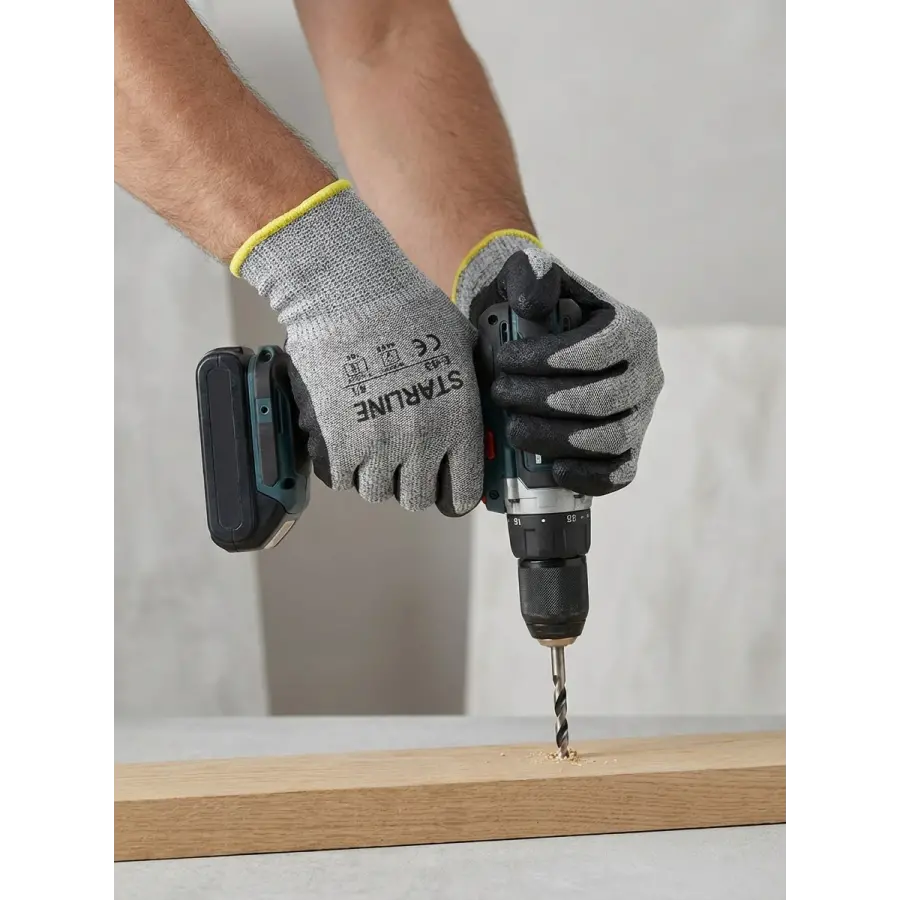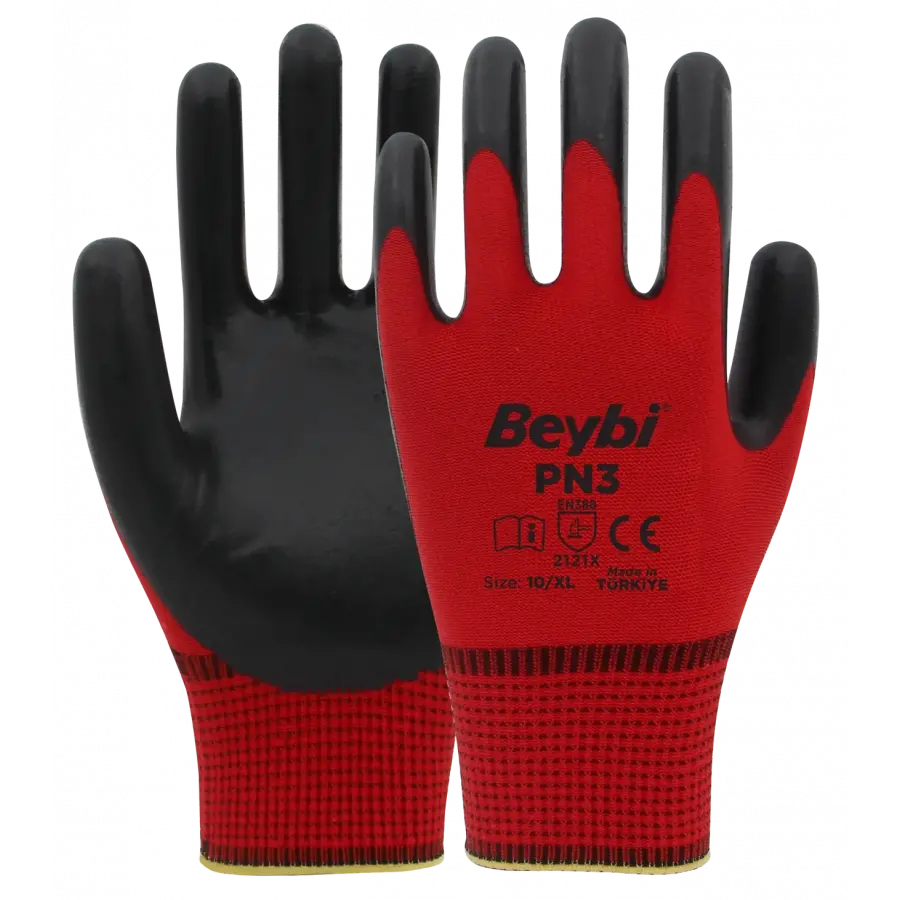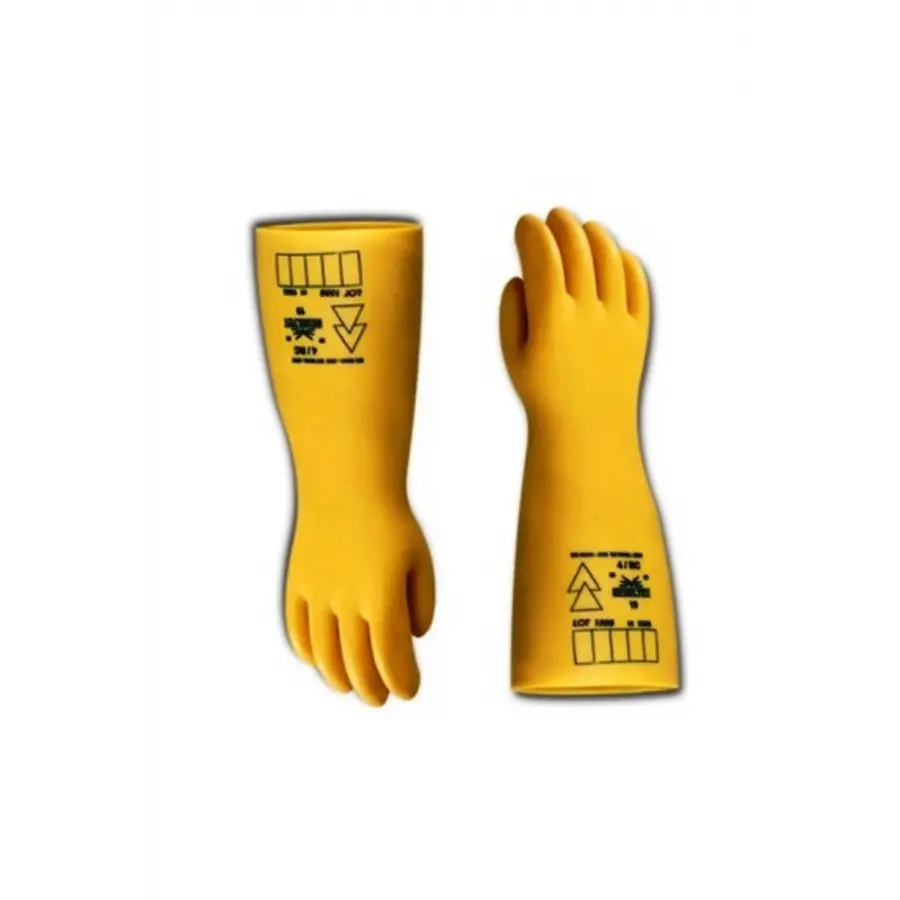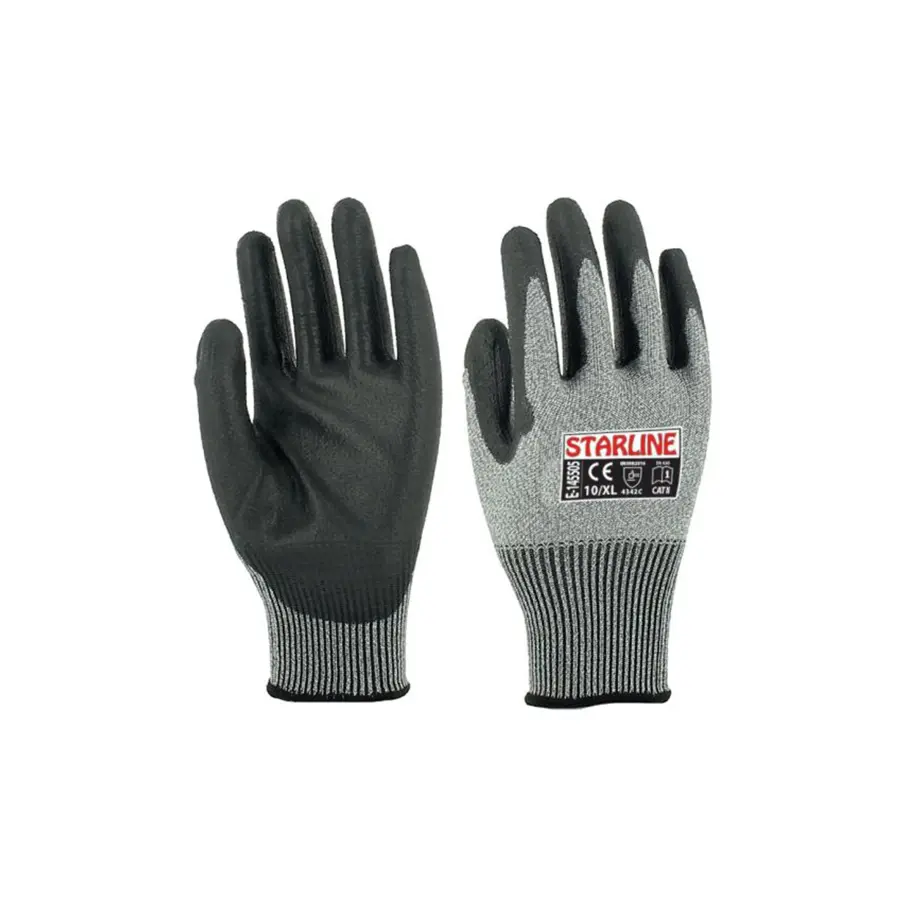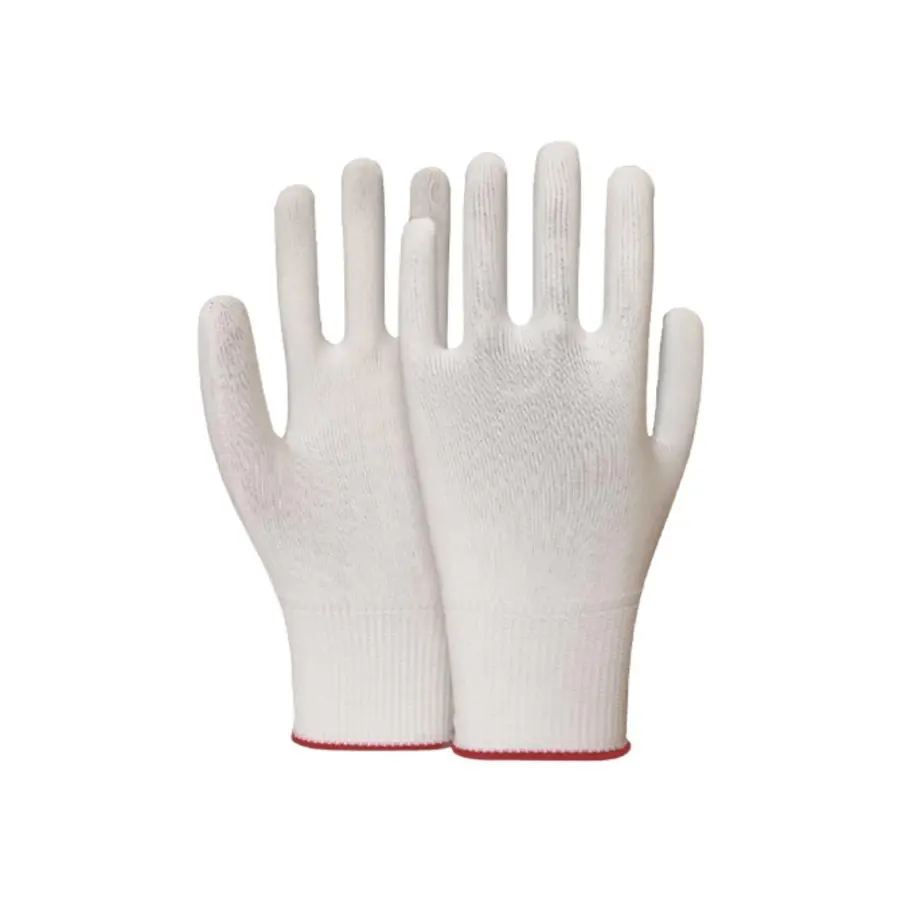




The groups are based on the “Risk type”, “Coating” and “Standard” information on the product pages. For the level of protection, check the EN 388 (mechanical) and EN 374 (chemical) ratings on the product label.
| Task / risk | Coating or construction | Example models |
|---|---|---|
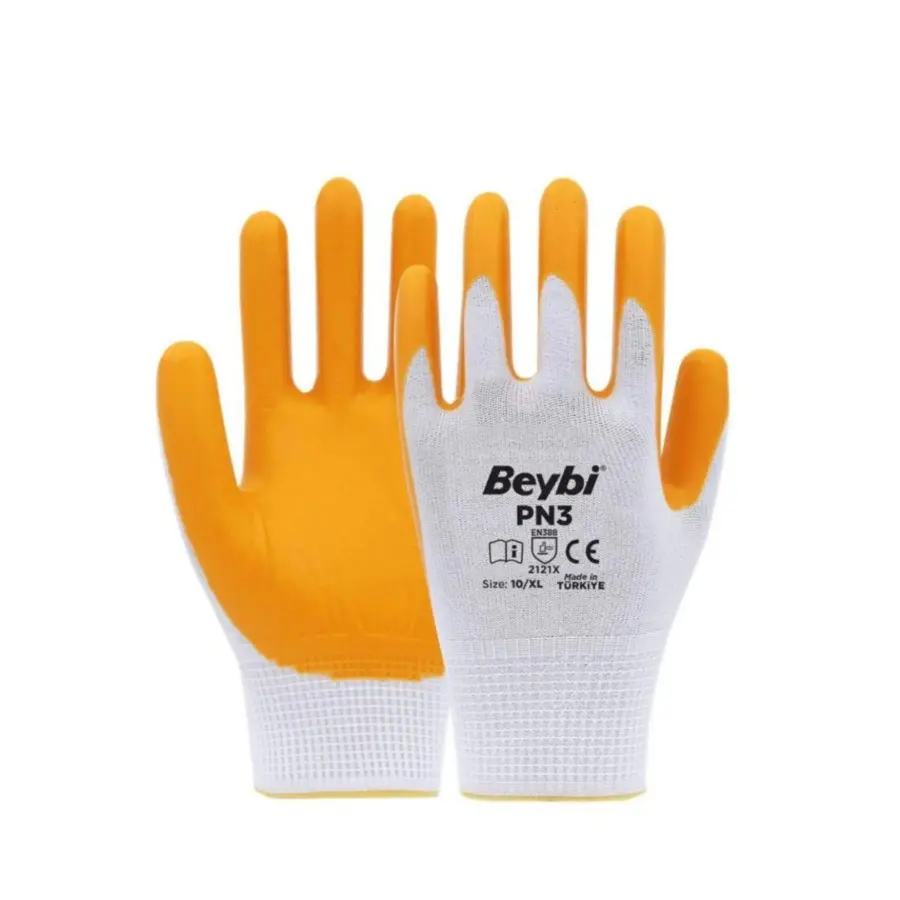
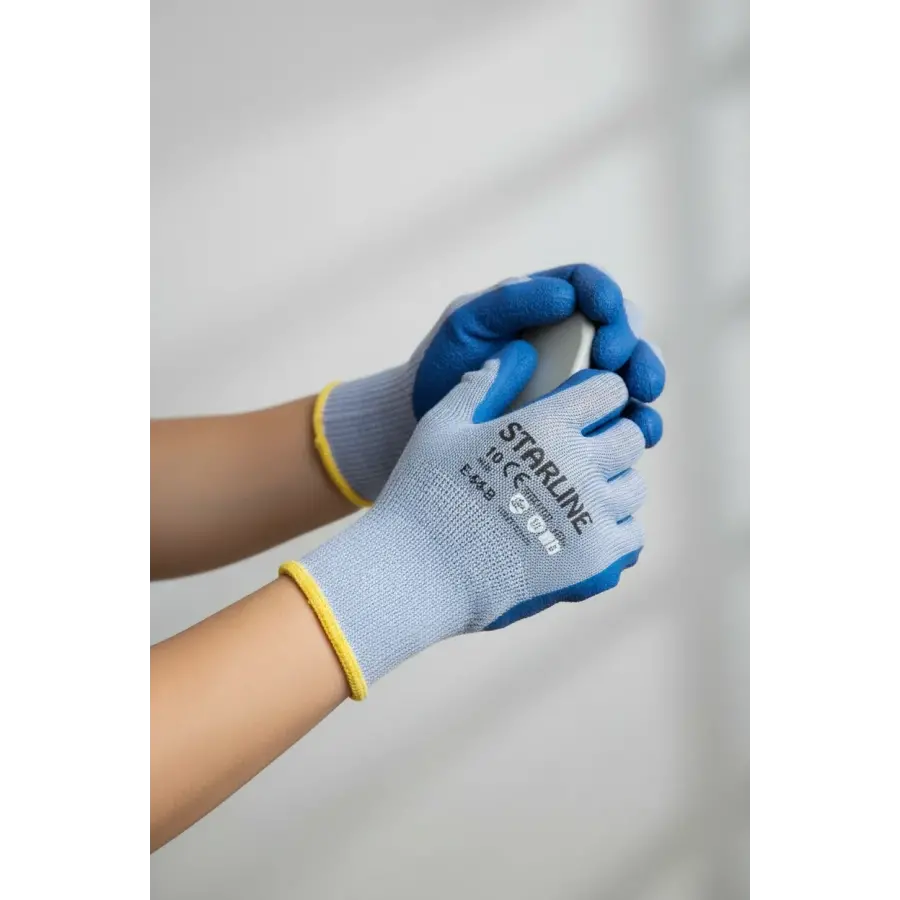
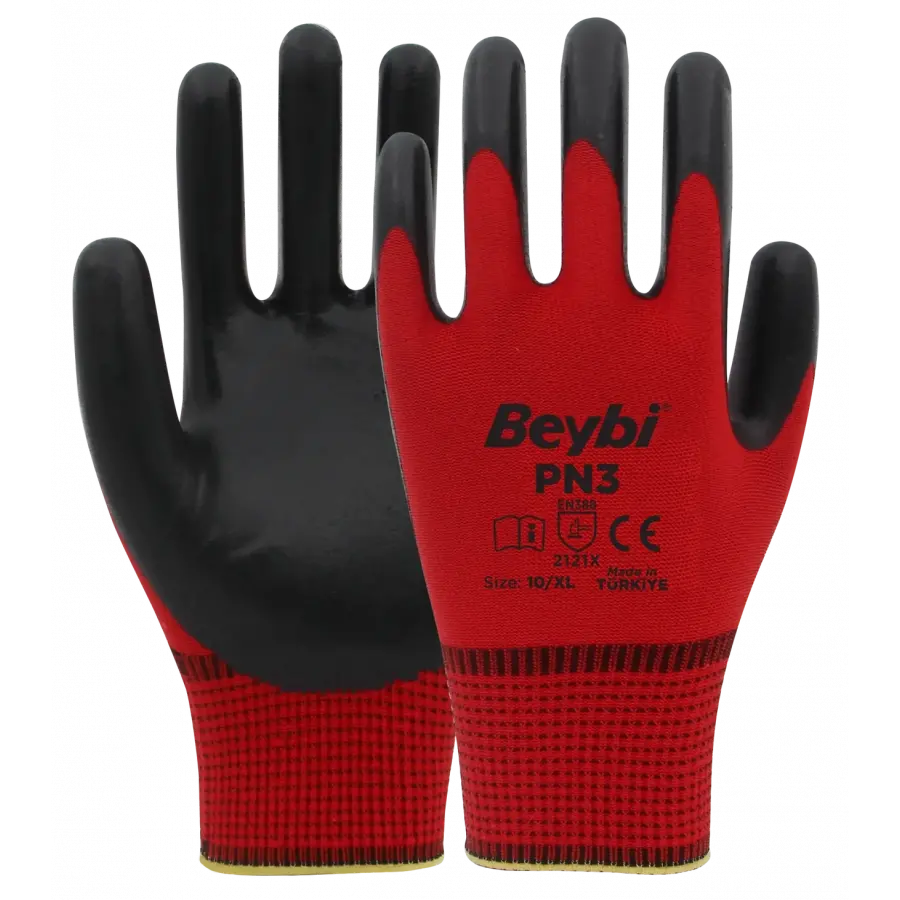
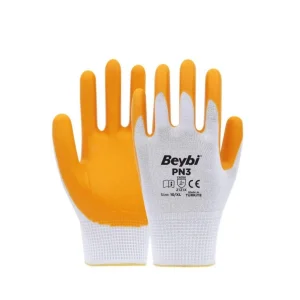
| General assembly, handling, grip | Nitrile- or latex-coated knit | Beybi PN3 Nitrile - Yellow, Starline E-45 Latex |
| Oily and wet surfaces | Double-dipped or fully nitrile-coated | Delta Plus Wet & Dry VV636, Starline E-370 Fully Coated |
| Precision assembly | Thin polyurethane (PU) coating | Starline E-63 PU, Activehand PU-101 |
| Cut risk | HPPE, glass fibre or Twaron knit | Starline STL-1008, Polat 325 Twaron |
| Chemical and liquid contact | Long-cuff nitrile or rubber | Starline STL 1513 (EN 374 + EN 388), Starline H2-45 Rubber (45 cm) |
| Knife cutting (butchery, meat processing) | Steel chain mesh | Starline Steel Chain Mesh Five-Finger Glove |
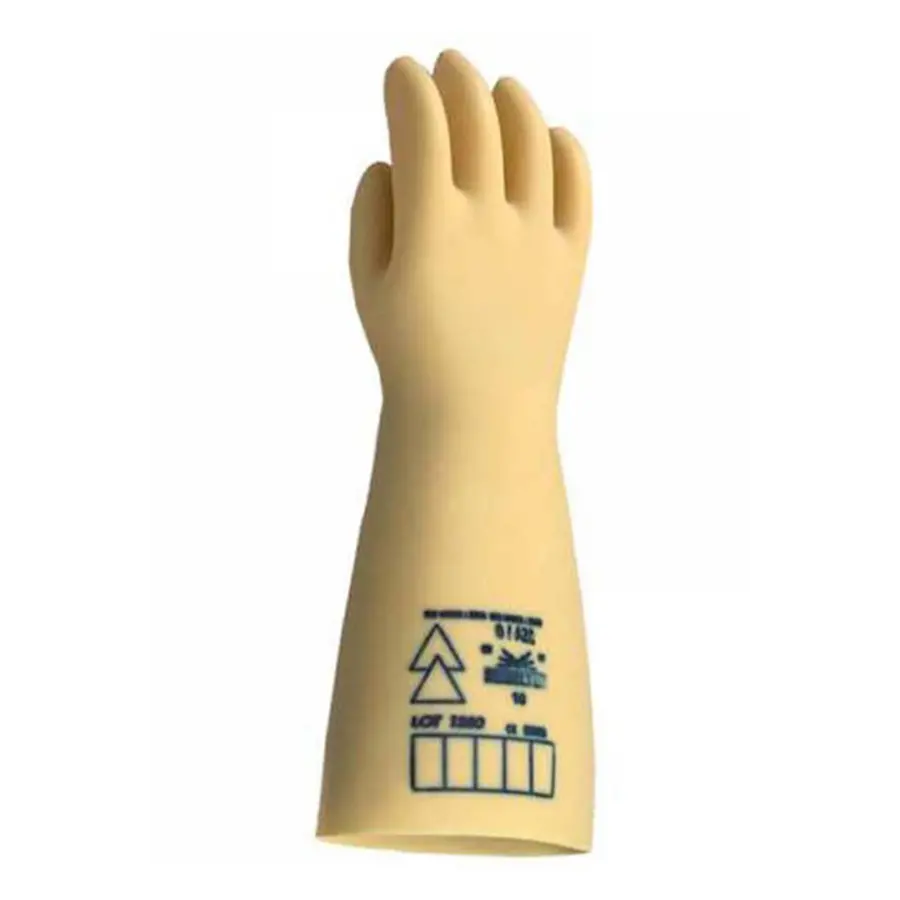
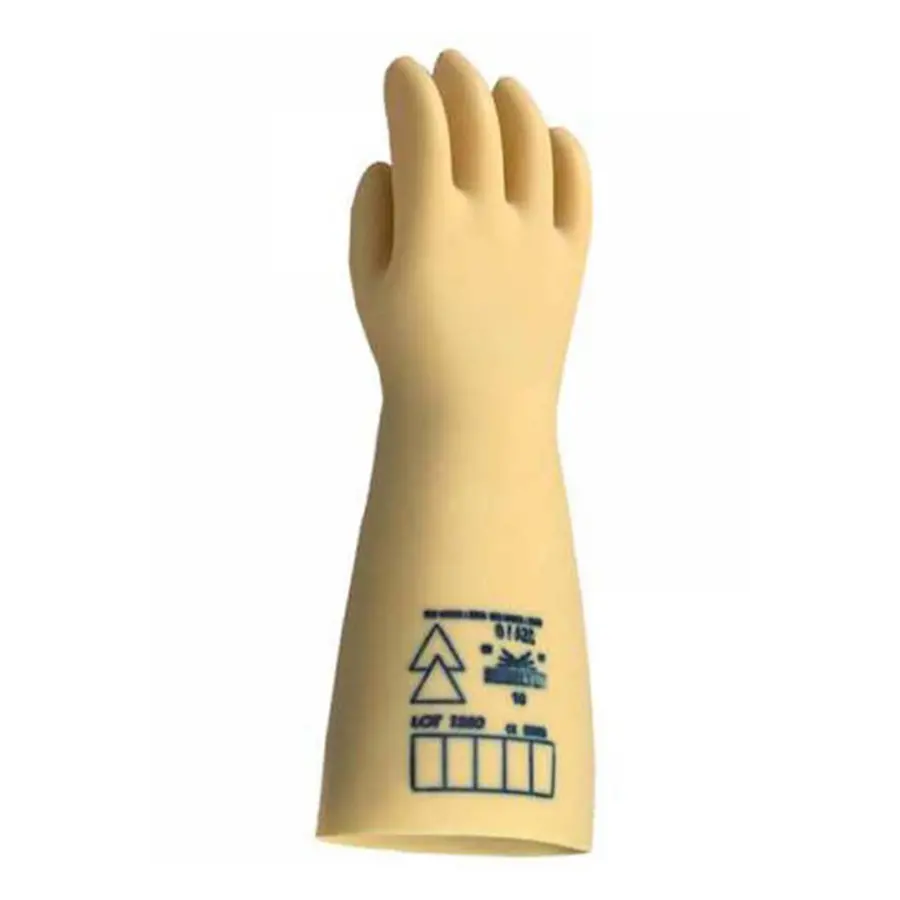
| Electrical work | Electrical insulating gloves with IEC 60903 class | Electrician and insulating gloves category |
When choosing work gloves, look beyond material or colour alone: the task, the surfaces handled, grip requirements, chemical contact, cut risk and electrical risk should all be assessed together. Nitrile, latex, leather, PU-coated and insulating gloves are not used for the same purpose.
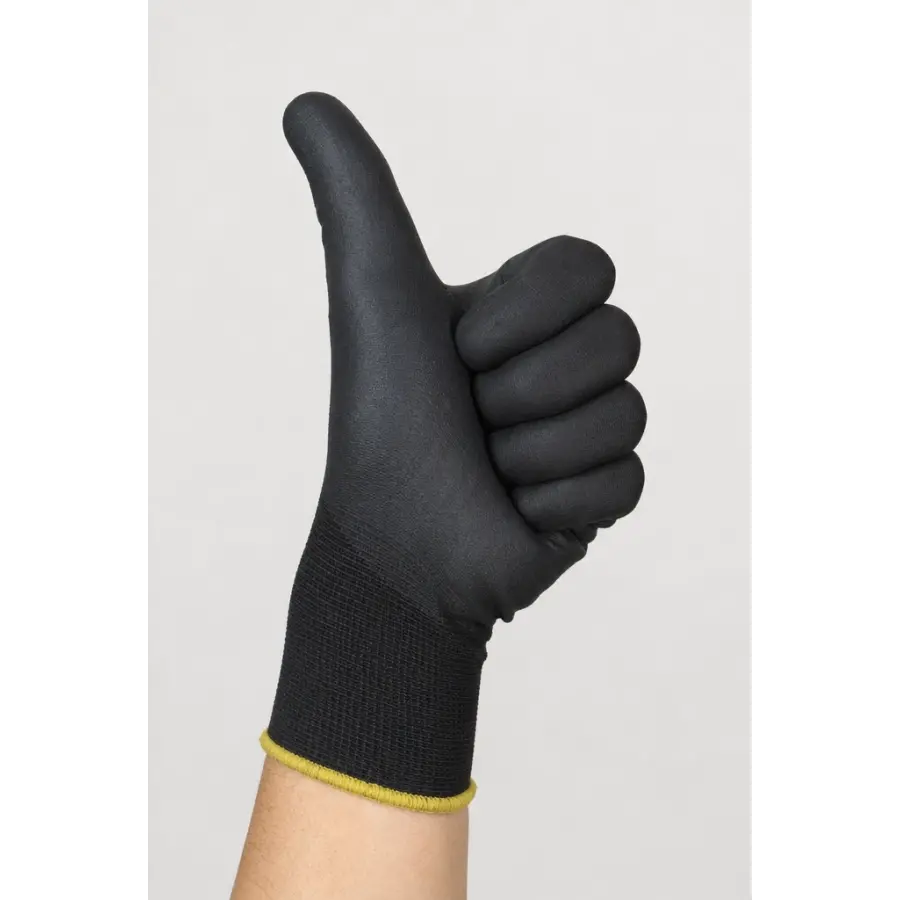
Gloves with nitrile or other coatings can differ in grip and surface contact. Check the product's coating type, intended use and the mechanical performance data stated by the manufacturer.
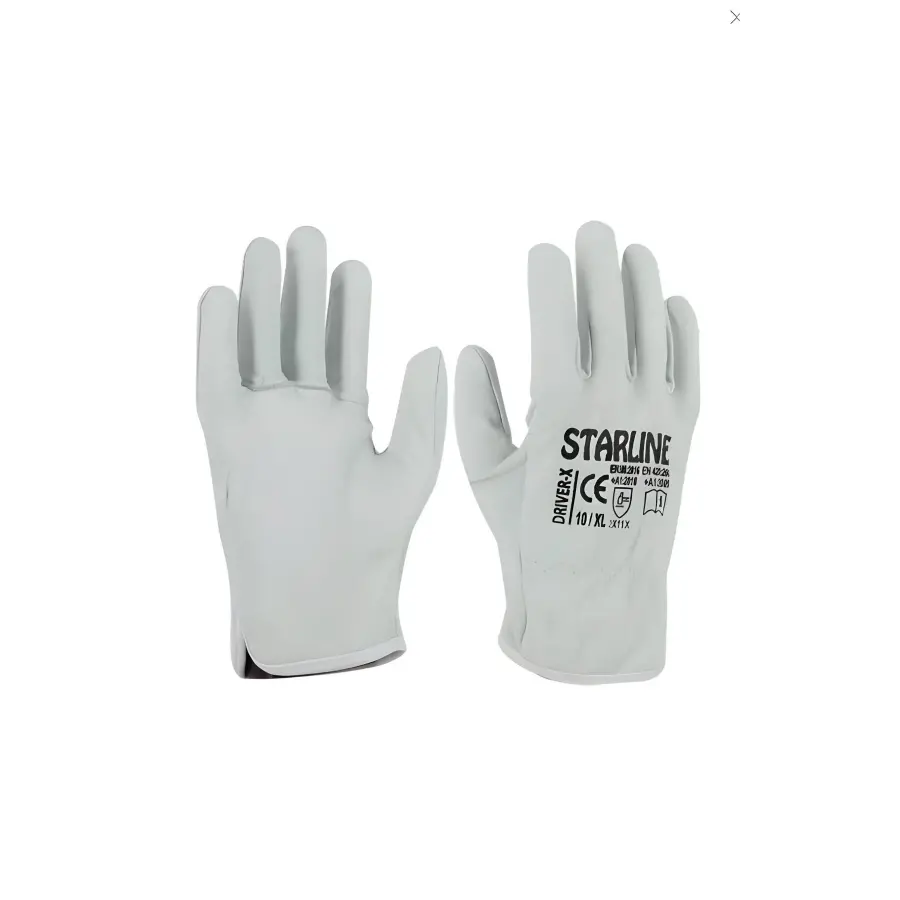
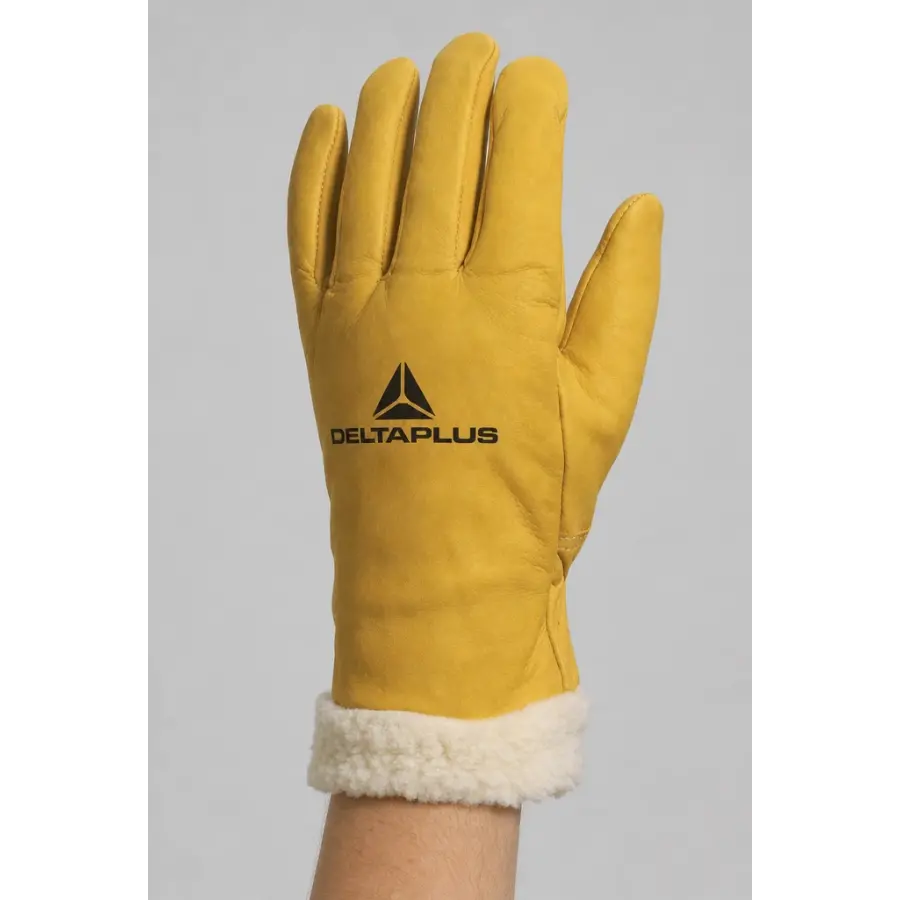
Leather or reinforced gloves may be preferred for different abrasion, impact or mechanical working conditions. For cut or specific mechanical risks, also verify the product's relevant standard and performance levels.
Where there is chemical contact, do not rely on the label “chemical gloves” alone. The chemical used, the contact time and the manufacturer's compatibility data should determine your choice.
Standard work gloves must not be used for electrical risks. For insulating gloves, the IEC 60903 class and the maximum use voltage should be assessed together with the manufacturer's information.
We cover IEC 60903 classes and the difference between maximum use voltage and proof test voltage in detail in our separate guide.
Read the Electrician Gloves GuideYou can find insulating gloves directly in the electrician and electrical insulating gloves category, and other personal protective equipment in the safety equipment category.
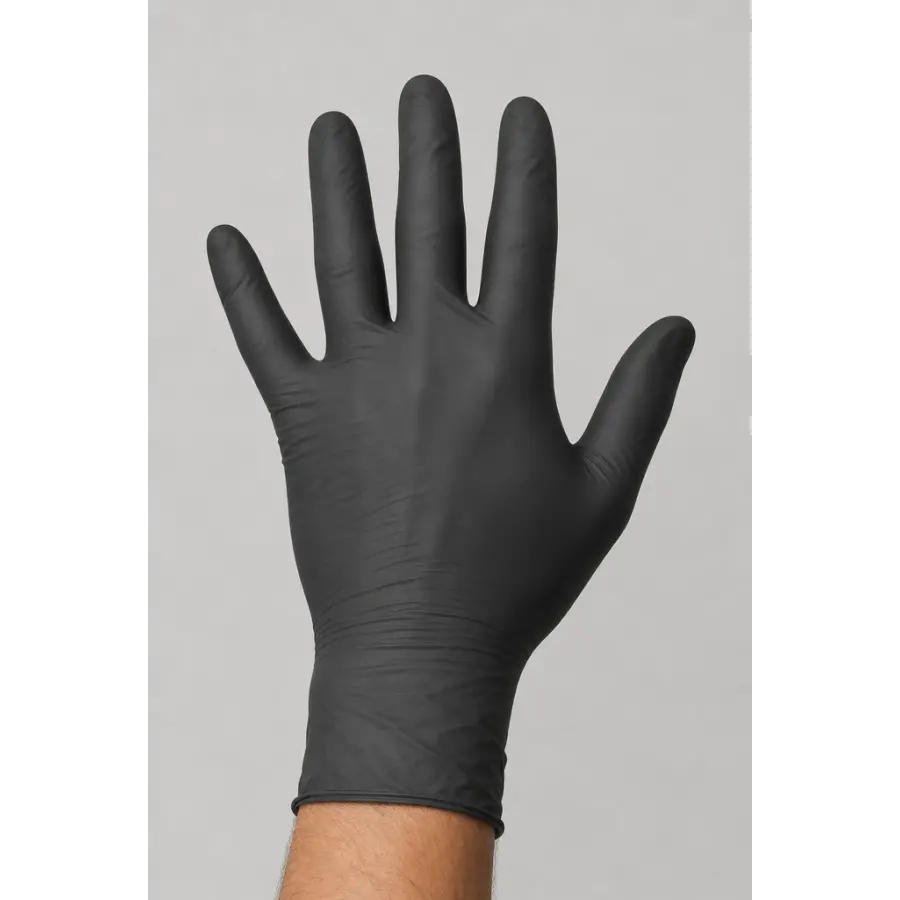
The palm and fingers of a knitted lining are coated with nitrile. This coating provides grip on dry and oily surfaces and improves abrasion resistance; these gloves are widely used in assembly, warehouse and general site work.
Latex is natural rubber; it is flexible and offers strong grip, but it is not as resistant to oils as nitrile and should not be used by people with a latex allergy. Nitrile is synthetic and more resistant to oils and petroleum derivatives.
In order, they show abrasion resistance (0–4), coup test cut resistance (0–5, X = not tested), tear resistance (0–4) and puncture resistance (0–4). The letter that follows is the cut level TDM (EN ISO 13997) (A–F, F being the highest); a P at the end, if present, indicates impact protection (P).
EN 388 is used for mechanical risks. For the cut level, check the A–F letter on the label; for the same task, a higher letter means higher cut resistance.
Nitrile and latex work gloves are not tested for electrical insulation and are not considered protective for electrical work. Live working requires electrical insulating gloves rated to an IEC 60903 class.
Some models are sold in packs of 12 or packs of 5 pairs. For larger quantities, you can request a quote via the Corporate Bulk Order page.


We use strictly necessary cookies to run this website. With your explicit consent we also use analytics and marketing cookies; in this context some data may be transferred to service providers outside Türkiye. You can change your choice at any time. Details: Cookie Policy