



The groups below are based on the product names and the information on the product pages. For work requiring chemical, flame, antistatic or high-visibility protection, check that the relevant standard is stated on the product label; no protective property should be assumed unless it is stated.
| Type | What is it suitable for? | Examples from this category |
|---|---|---|
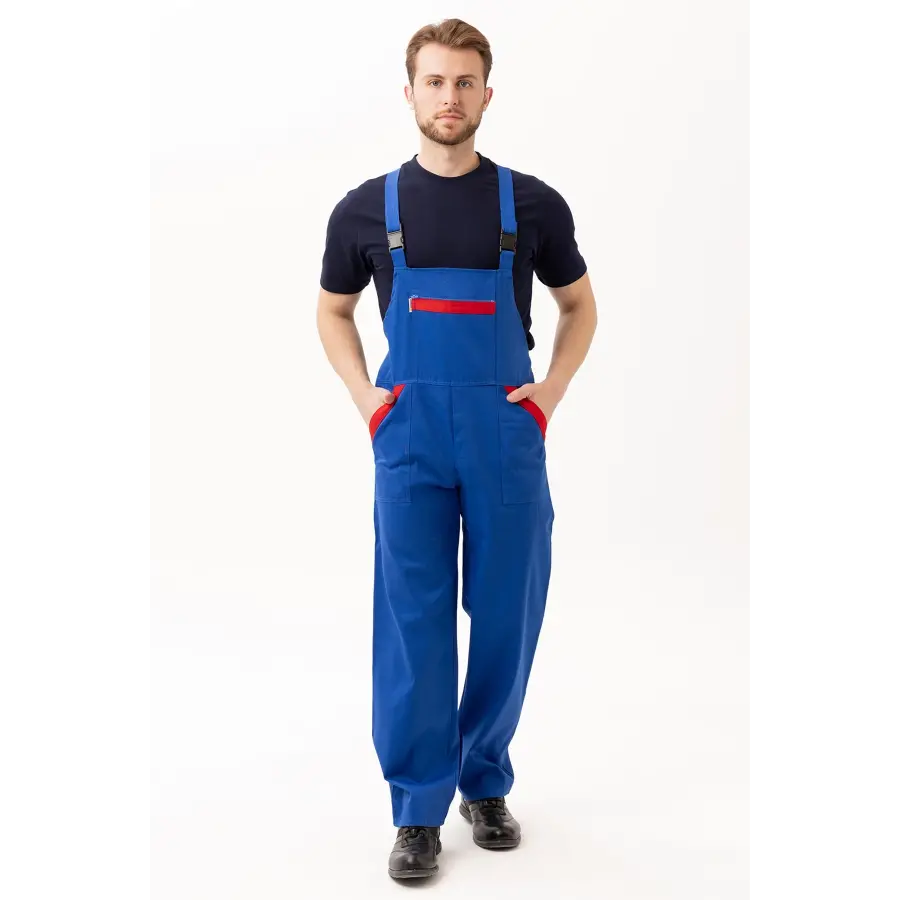
| Bib overalls (bib and brace) | Sleeveless model with straps, worn over a T-shirt or sweatshirt. For workshop, garden, painting and repair work. | Gabardine 100% Cotton Summer Bib Overalls, Denim Bib Overalls (dungarees) |
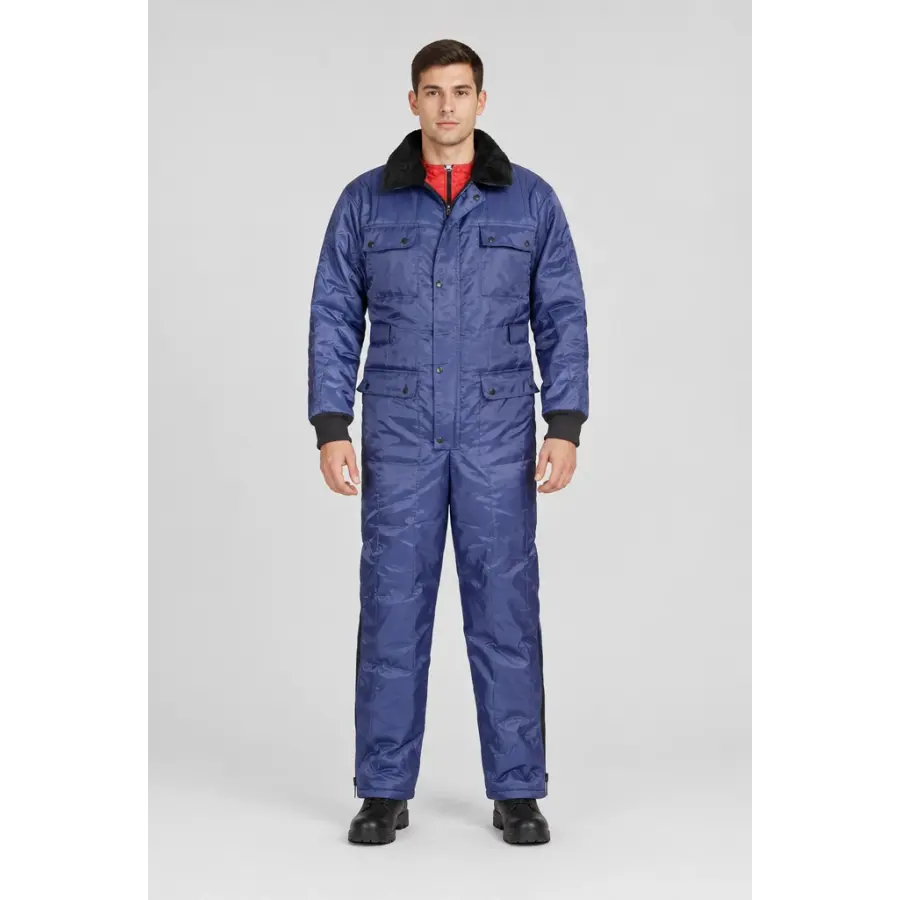
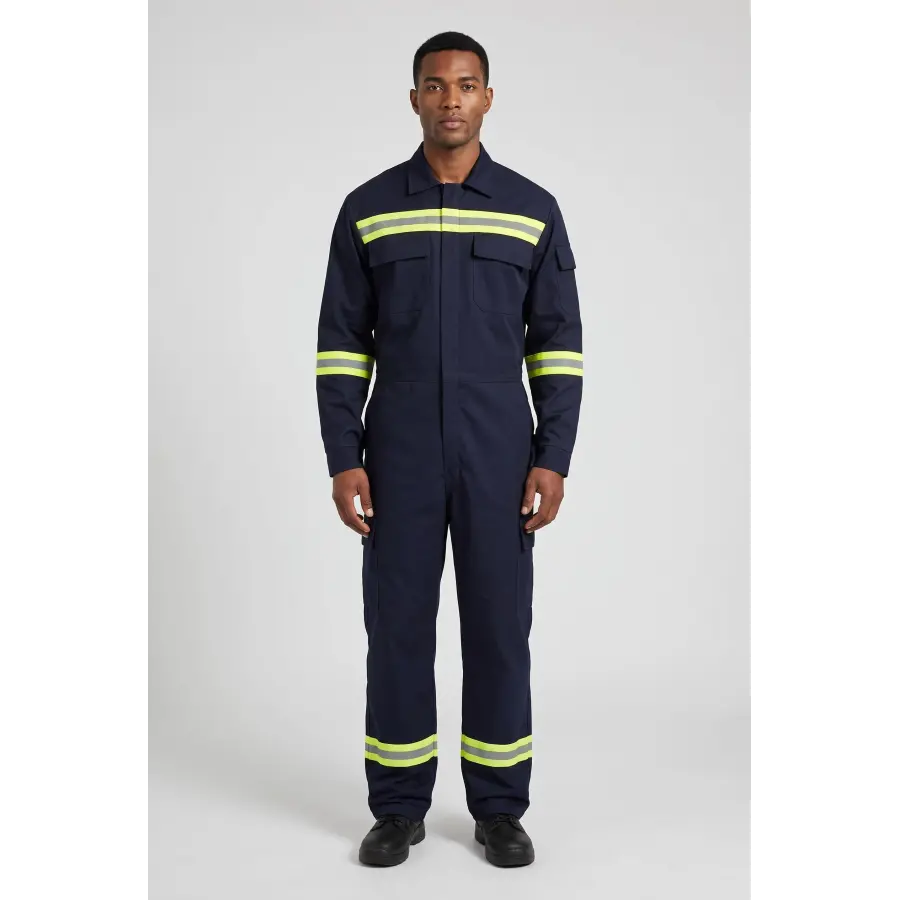
| Long-sleeve full-length coverall | Covers the body in one piece; for maintenance and repair, site work and dirty jobs, the top and bottom never come apart. | Gabardine Coverall with Reflective Details, SHD TMT51 Coverall |
| Coverall with reflective details | Tapes that make the wearer easier to see in low light. Reflective details do not mean an EN ISO 20471 high-visibility class. | Reflective Coverall - Navy, Gabardine Coverall with Reflective Details |
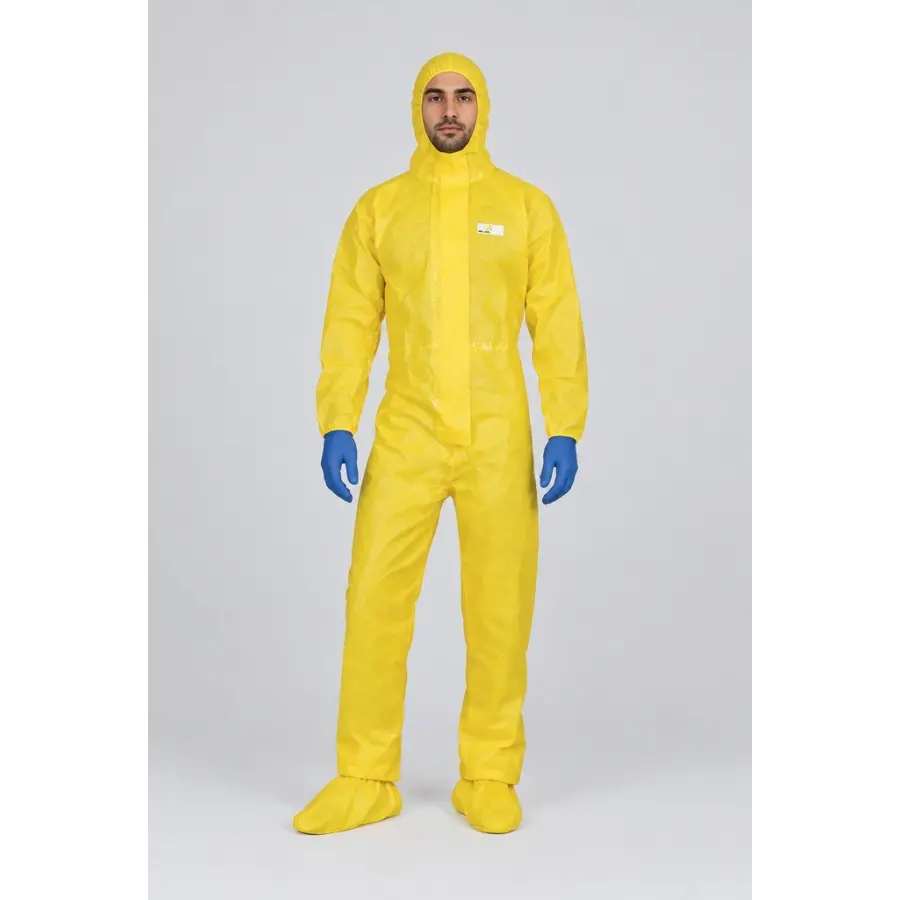
| Disposable protective coverall | Short-term tasks involving dust, paint splashes or hygiene requirements. The protection type (Type 5, Type 6, etc.) is stated on the product label. | Delta Plus DT300 (50% PP / 50% PE, 82 g/m², hooded), Faba T-530 |
When choosing a coverall, consider the working environment, fabric construction, season, pocket layout, fastening type and freedom of movement together. Classic coveralls, bib overalls and models designed for different purposes may not meet the same needs.
Full coveralls cover the upper and lower body in one piece, whereas bib overalls usually have a bib with shoulder straps and are worn with a separate garment on top. When choosing, consider your working movements and the coverage you need.
Consider the season stated in the product description together with the fabric composition and any lining. Judging whether a product is for summer or winter from the cotton or polyester content alone may be misleading.
The number and size of the tools you use at work may determine how many pockets you need. Zips, buttons or other fastening systems can affect ease of use and freedom of movement.
Compare your chest, waist, hip and inside leg measurements with the product's size chart, where available. Allow enough room for movements such as bending, sitting and crouching. The same size label does not guarantee the same fit across different models.
To compare fabrics, sizes, working environments and types of work clothing in more detail, see our guide.
Read the Workwear Selection GuideBrowse other work clothing in the workwear category, and aprons in the work aprons category.
It covers the body in one piece, protecting against dirt, oil, dust and abrasion, and its pockets make carrying tools easier. Chemical (e.g. EN ISO 13982-1, EN 13034), heat/flame (EN ISO 11612) or antistatic (EN 1149-5) protection is only provided if the relevant standard is stated on the product label.
Dungarees, or bib and brace. Thanks to the strapped, sleeveless design, the top layer can be changed to suit the season, which is why they are popular for workshop and garden work.
It is protective clothing designed to reduce the build-up of static electricity and, in Europe, is assessed to EN 1149-5. Whether a coverall is antistatic must be clearly stated on the product label and in its technical documentation; without such a declaration, do not use the coverall for this purpose.
Used for short-term work involving paint, dust, insulation, cleaning and hygiene. The type on the label shows the scope of protection: Type 5 refers to coveralls tested against dry particles (EN ISO 13982-1), and Type 6 to coveralls tested against limited liquid splashes (EN 13034).
For a bulk order of the same model in a mix of sizes, or for logo requests, you can request a quote via the Corporate Bulk Order page; stock, size availability and logo application suitability are checked at the quotation stage.


We use strictly necessary cookies to run this website. With your explicit consent we also use analytics and marketing cookies; in this context some data may be transferred to service providers outside Türkiye. You can change your choice at any time. Details: Cookie Policy