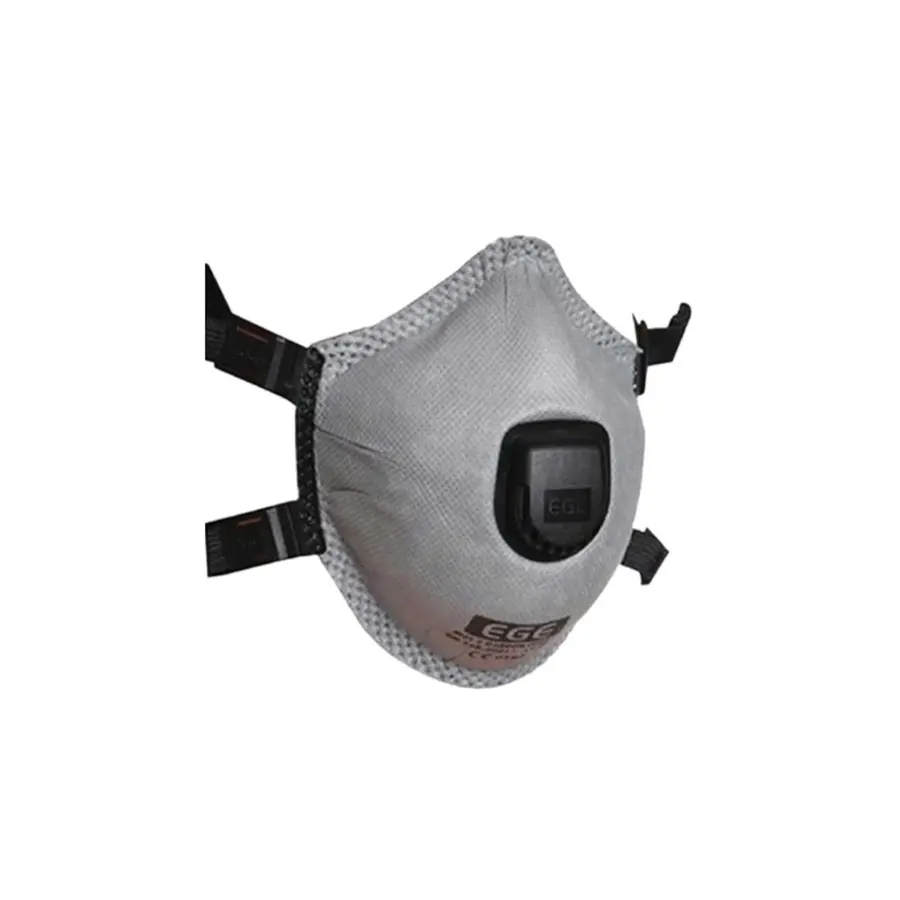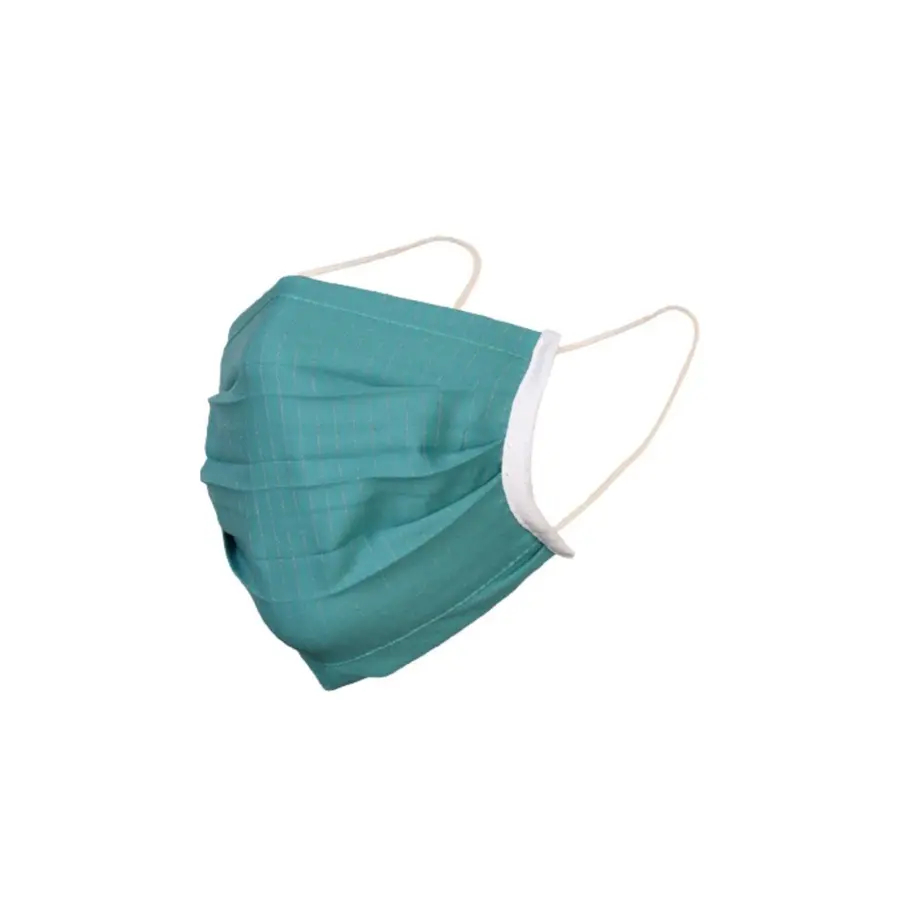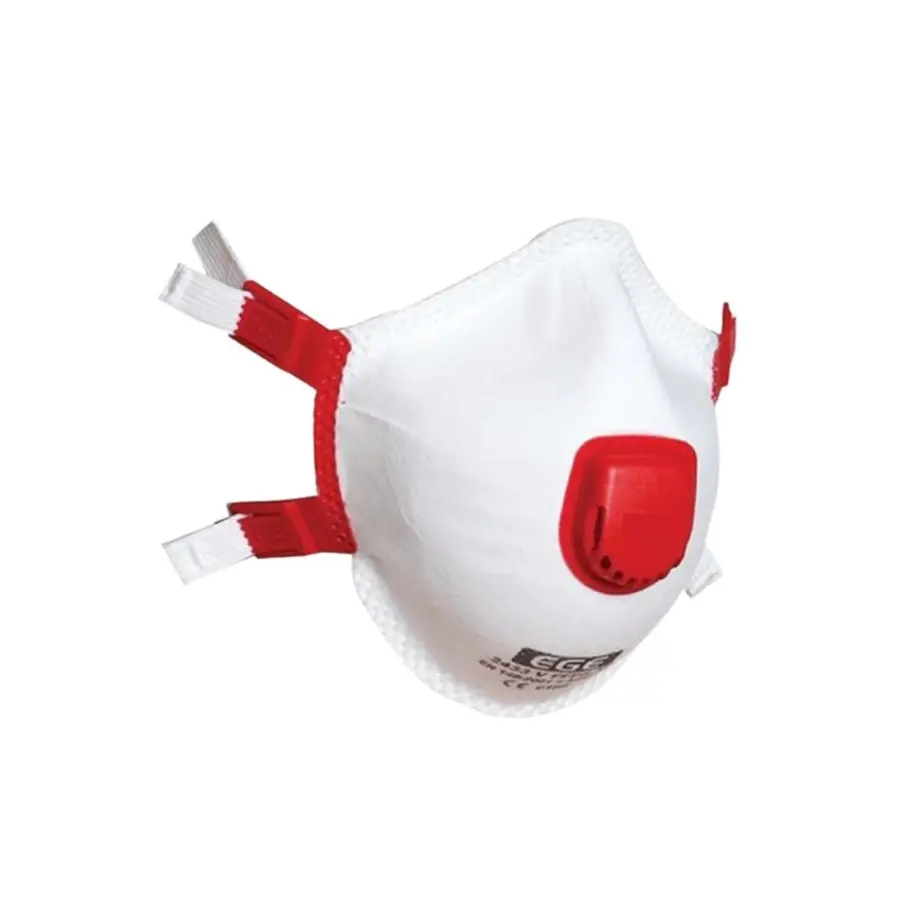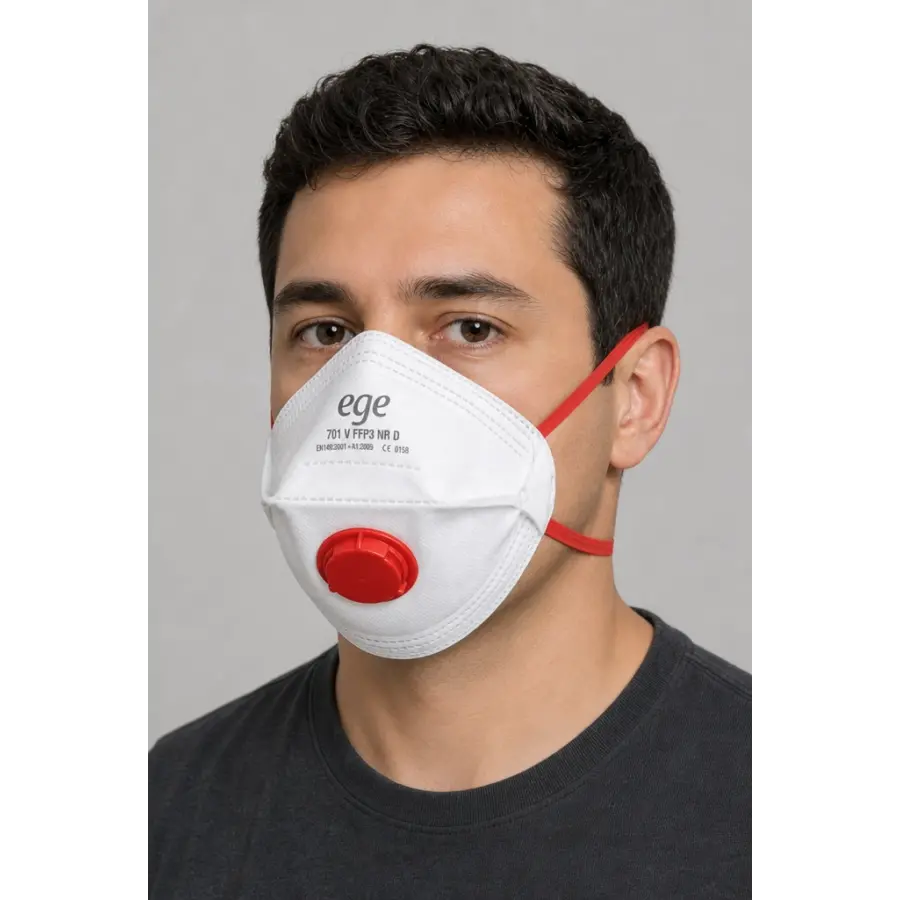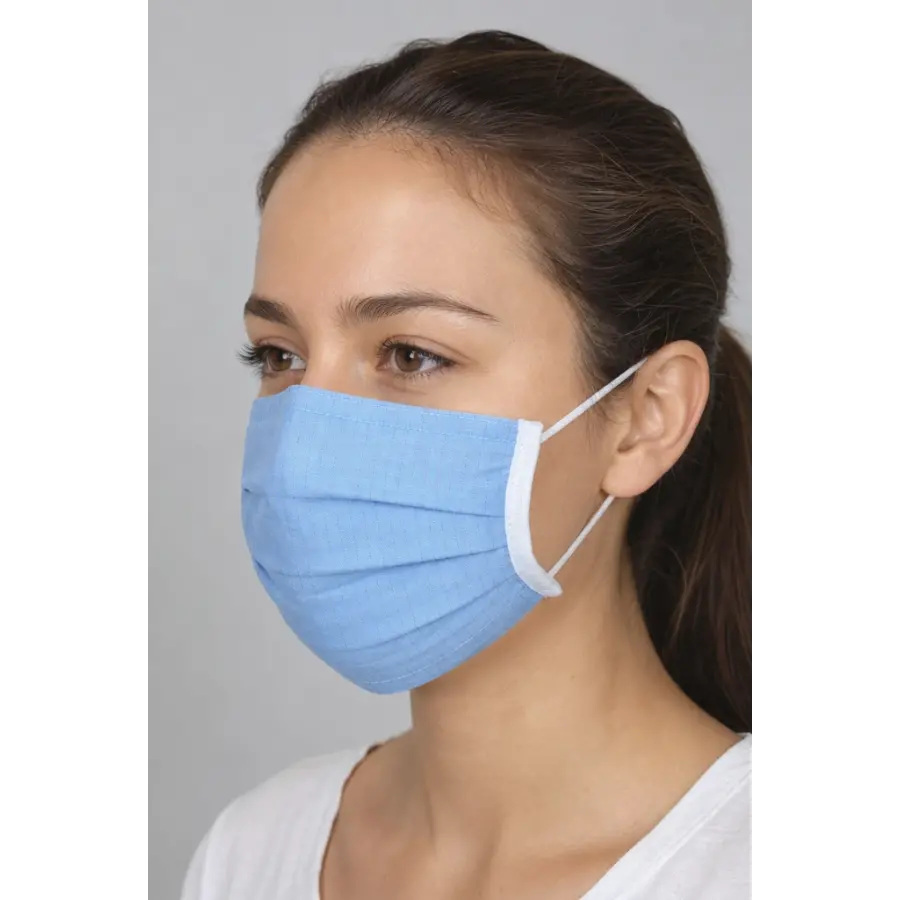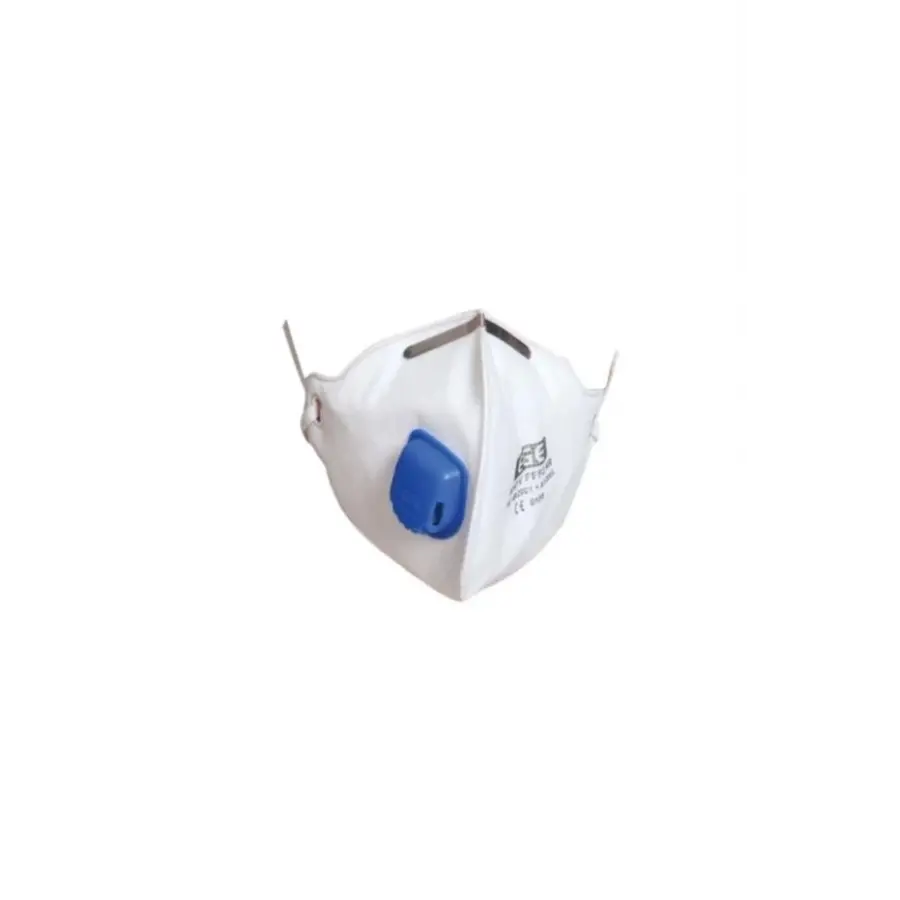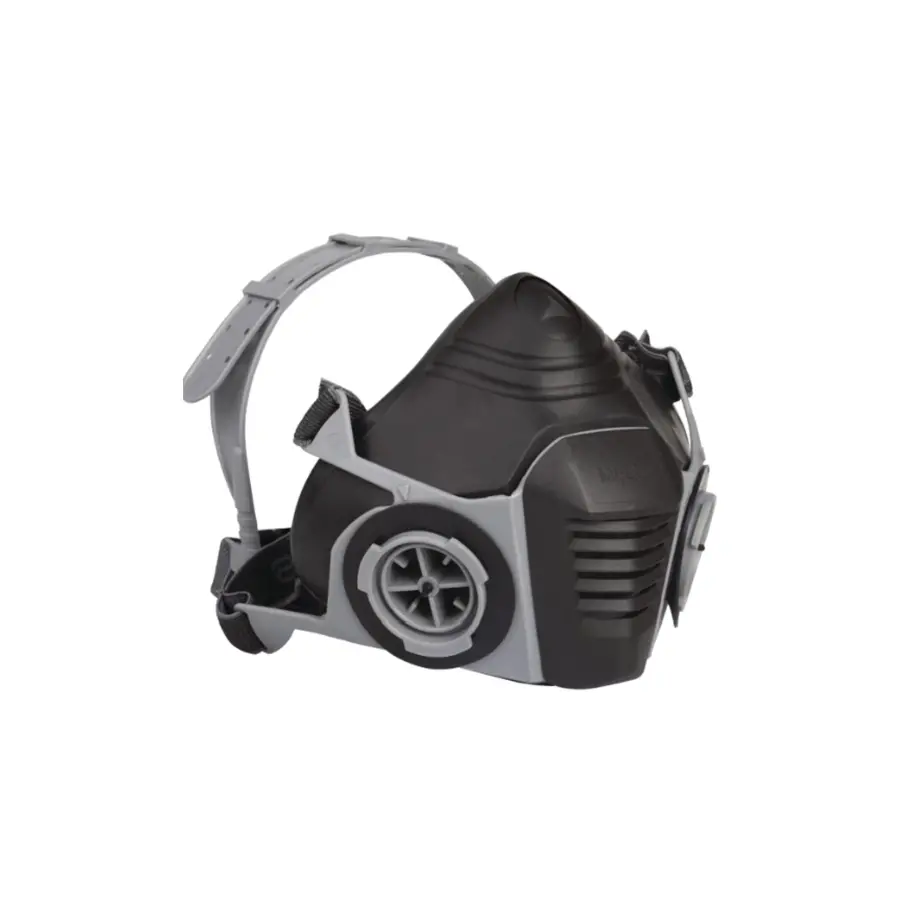




The groups are based on the protection class, filter class and connection details given on the product pages. Always check that the filter and the mask body use the same connection system.
| Risk | Product type | Example models |
|---|---|---|
| Dust, particles (disposable) | FFP2 or FFP3 mask (EN 149) | Ege 2403 FFP2 Cup Mask with Valve, Ege 2433 V FFP3 Cup Mask with Valve |
| Dust + light odours | FFP2 mask with activated carbon | Ege 3021 Pro FFP2 (activated carbon) |
| Gas and vapour (half mask) | Reusable half mask + ABEK1 filter | Delta Plus M6200 Half Mask + Delta Plus M6000 ABEK1 Filter (pack of 2) |
| Gas, vapour and particles (full-face) | Full-face mask + RD40 filter | Dräger X-plore 6300 Full-Face Mask + Dräger X-plore RD40 combination filter |
| Replacement filters for 3M mask users | ABEK1 filter with 3M bayonet connection | 3M 6059 ABEK1 (mask body not available in this category) |
The product pages for washable fabric face masks list no FFP class; for work involving dust or particle hazards, use an FFP-rated mask.
The first step in choosing respiratory protection is to identify the type of hazard present. Dust and particles, gases, vapours or combinations of these may require different mask and filter solutions. Disposable FFP masks and half or full-face masks are not used for the same purpose.
The FFP class is a classification used for particle-filtering masks. However, the right choice should not be based on class alone; the working environment, how well the mask fits the face and the manufacturer's instructions must also be taken into account.
Reusable half masks and full-face masks are used with a suitable filter or cartridge. The mask body on its own does not determine which gases, vapours or particles it protects against.
Not every filter fits every mask. There may be bayonet, RD40 or other manufacturer-specific connection systems. Before ordering, confirm that the mask and filter are technically compatible with each other.
How well a respirator fits the face can directly affect its performance in use. Take into account the size, strap adjustment and the manufacturer's instructions for use. Where factors such as facial hair or face shape may affect the seal, follow your occupational safety procedures.
If the eyes or face also need protection alongside respiratory hazards, consider the relevant protective equipment groups separately.
Browse Safety EquipmentFor eye protection, browse the eye protection category; for face protection, see the face shields category.
Both are particle-filtering masks tested to EN 149. FFP2 masks have a filter efficiency of at least 94%, FFP3 masks at least 99%. FFP3 is preferred for finer and more harmful dusts; the choice is determined by the workplace risk assessment.
Under EN 14387, A stands for organic gases and vapours, B for inorganic gases, E for acid gases (e.g. sulphur dioxide) and K for ammonia. The number 1 at the end indicates the low-capacity class. Filter colour codes: A brown, B grey, E yellow, K green; particle filters (P) are white.
The exhalation valve makes breathing out easier and reduces moisture and heat build-up inside the mask. Because exhaled air is not filtered, a mask without a valve is preferred for work that requires a sterile environment.
Only filters compatible with the mask's connection system can be fitted. For example, the Delta Plus M6200 mask body is used with M6000 series filters, the 3M 6059 filter with 3M bayonet-connection masks, and Dräger RD40 filters with RD40 threaded masks.


We use strictly necessary cookies to run this website. With your explicit consent we also use analytics and marketing cookies; in this context some data may be transferred to service providers outside Türkiye. You can change your choice at any time. Details: Cookie Policy