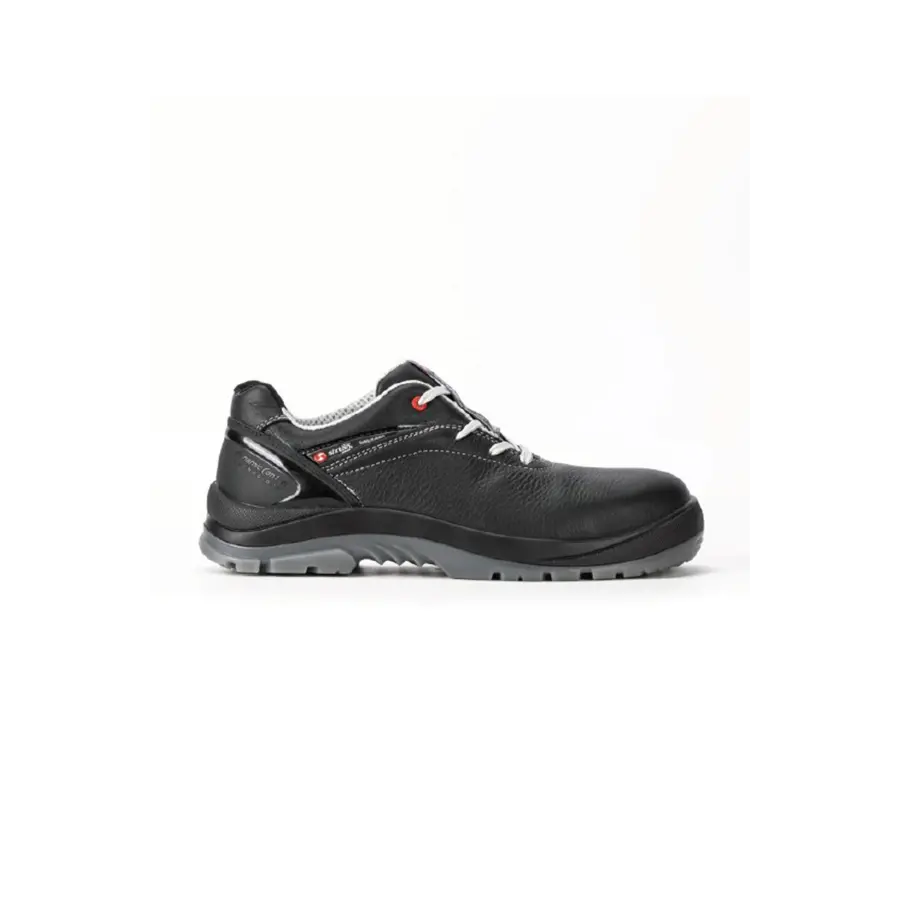





When choosing electrician's safety shoes, do not decide simply because the product name includes the words "electrician" or "dielectric". Assess the electrical risk in the working environment, the standard the product complies with, its safety class, its sole construction and the manufacturer's technical documentation together.
No. Models within the same product group may meet different standards and have different specifications. If you need a specific electrical performance value, verify it against the technical data provided by the manufacturer, not just the product name.
Toe cap, puncture resistance, sole construction and other safety features can vary from model to model. Having an electrical property does not automatically mean the other mechanical protection features are the same.
Floor conditions, humidity, contact with oil or water and other hazards in the work area should also be considered when choosing footwear. Review the sole features and intended-use information on the product page together.
Compare your foot length with the manufacturer's size chart, where available. As the toe cap and sole construction can affect the fit of a model, do not choose based only on your everyday trainer size.
For working conditions other than electrical risk, you can also browse safety shoes with different safety classes and toe cap types.
Browse All Safety ShoesFor electrical hand protection, see our electrician and electrical insulating gloves; for other personal protective equipment, browse the safety equipment category.


We use strictly necessary cookies to run this website. With your explicit consent we also use analytics and marketing cookies; in this context some data may be transferred to service providers outside Türkiye. You can change your choice at any time. Details: Cookie Policy