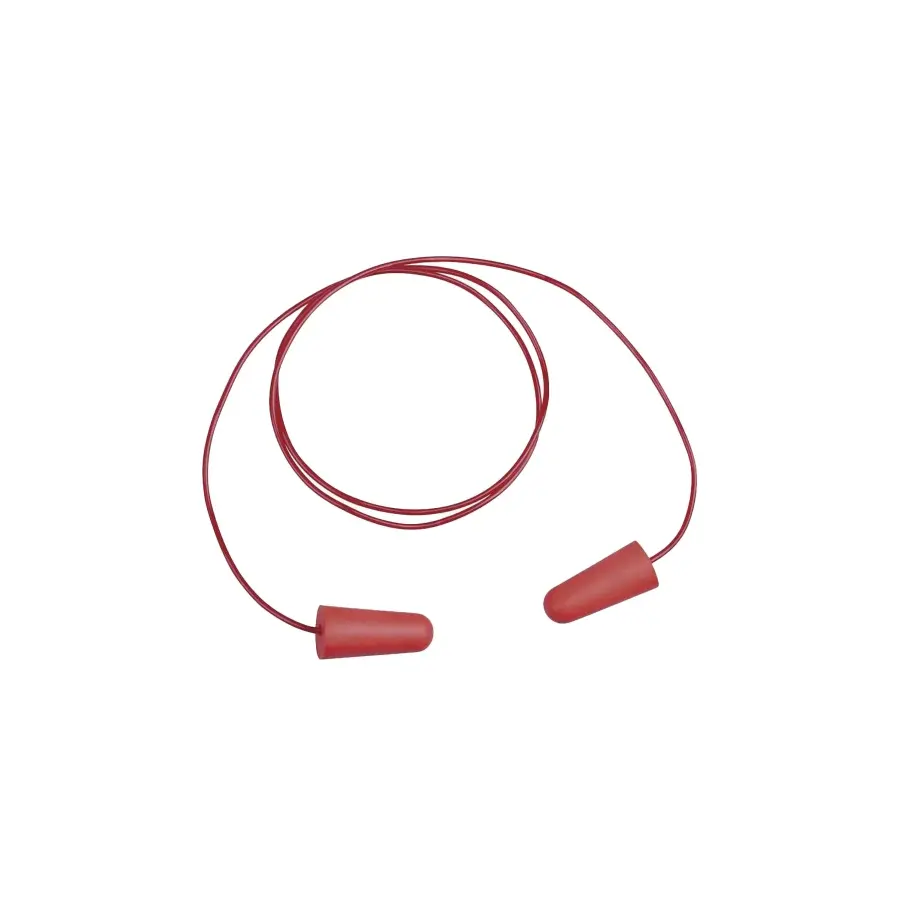




When choosing hearing protection, do not rely on the dB or SNR value alone. Consider the noise level in the work environment, the duration of use, comfort, compatibility with other personal protective equipment and whether the product can be fitted correctly.
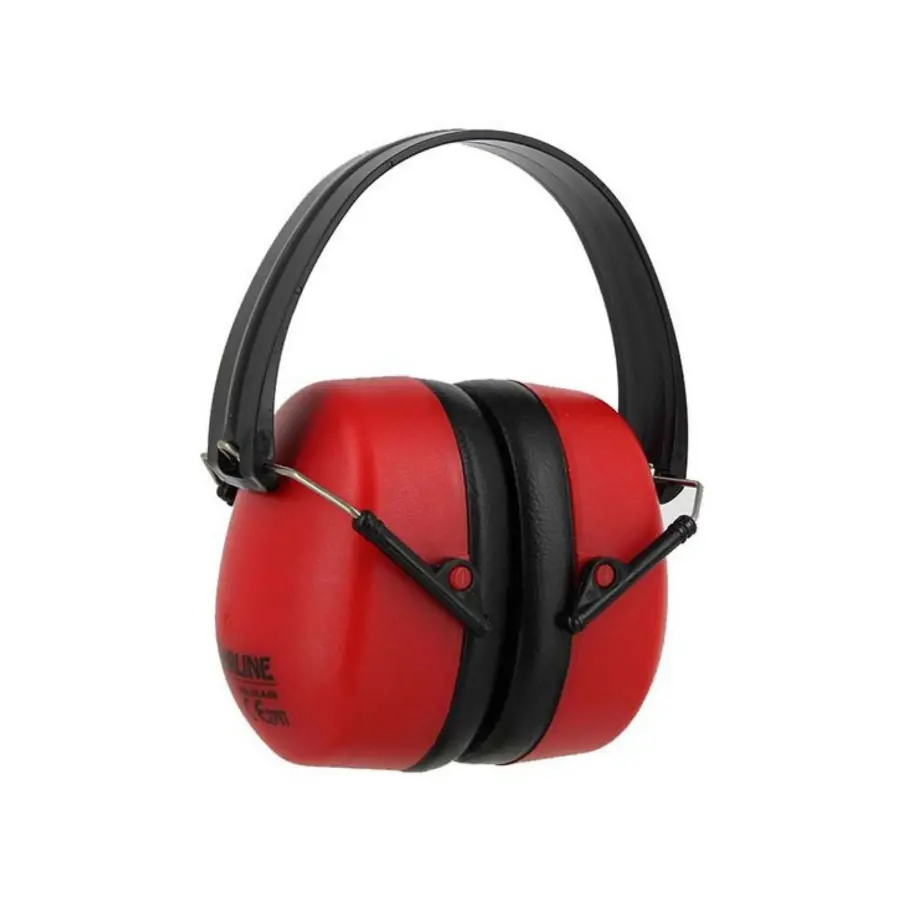
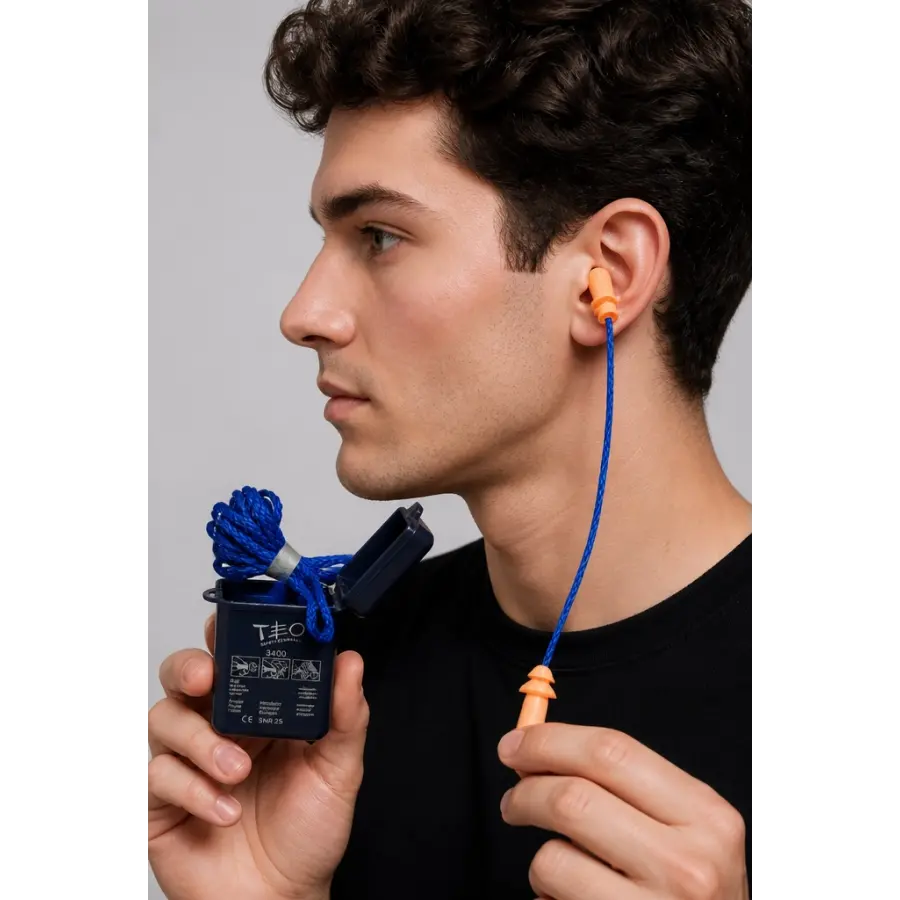
Ear plugs sit in the ear canal, whereas ear muffs cover and seal around the ear from the outside. Which type is suitable depends on the work environment, the duration of use and individual fit.
SNR is one of the values used to compare the noise reduction performance of hearing protection. However, a higher SNR does not automatically mean the right choice in every environment. Consider actual working conditions together with the manufacturer's technical information.
If ear plugs are not inserted correctly or ear muffs do not seal fully around the ear, the product's expected performance may be affected. Follow the manufacturer's fitting and usage instructions.
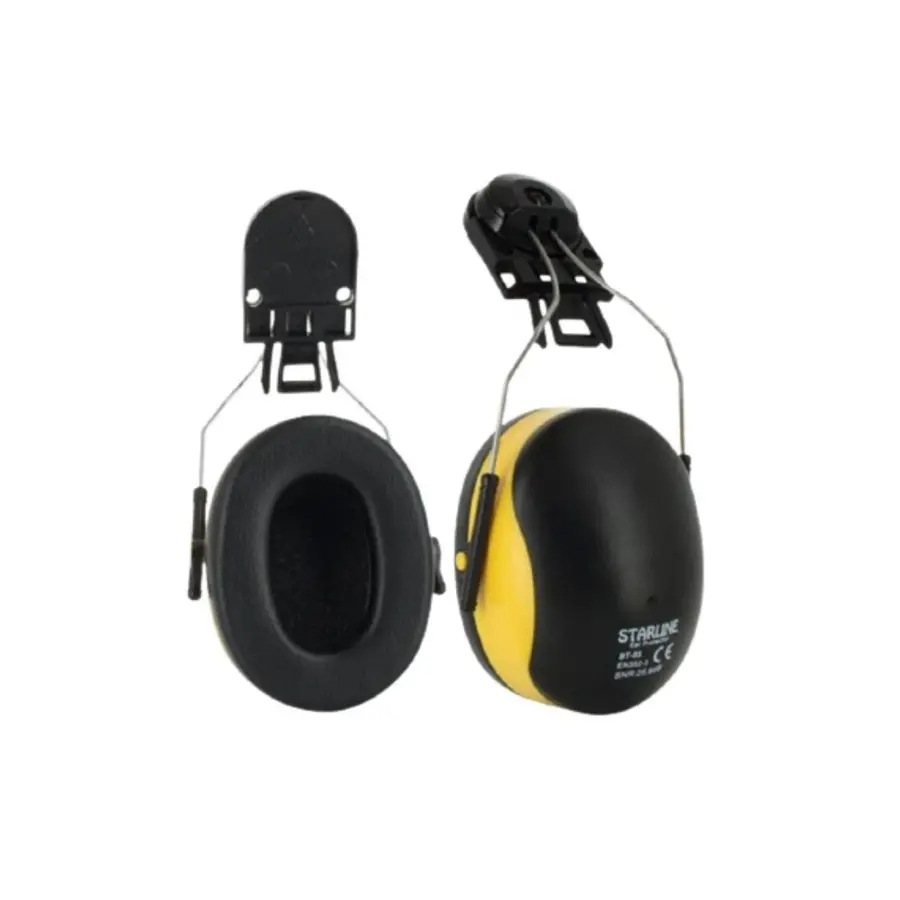
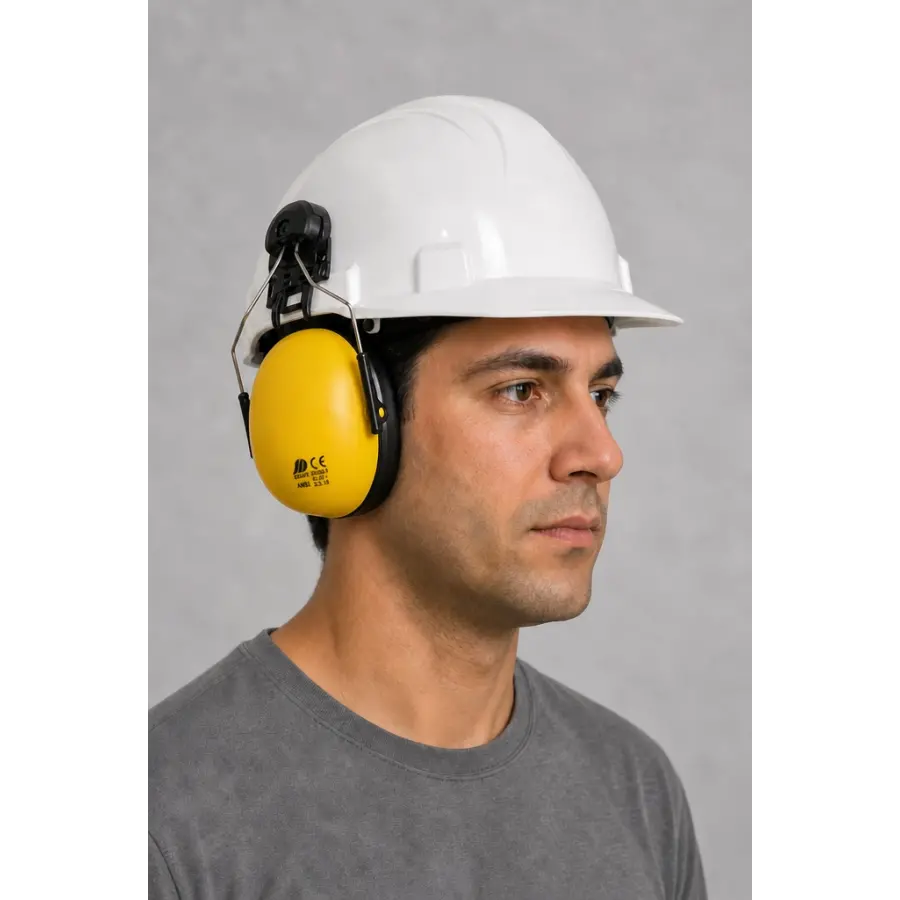
For helmet-mounted ear muffs, the attachment system and the safety helmet model used are important. Equipment such as ear muffs, safety helmets, safety glasses or face shields should not interfere with each other's correct use.
If there are head, eye or face hazards in addition to noise, consider the relevant personal protective equipment categories together.
Browse Safety EquipmentFor head protection, browse the head protection category; for face protection, browse the face shields category.


We use strictly necessary cookies to run this website. With your explicit consent we also use analytics and marketing cookies; in this context some data may be transferred to service providers outside Türkiye. You can change your choice at any time. Details: Cookie Policy