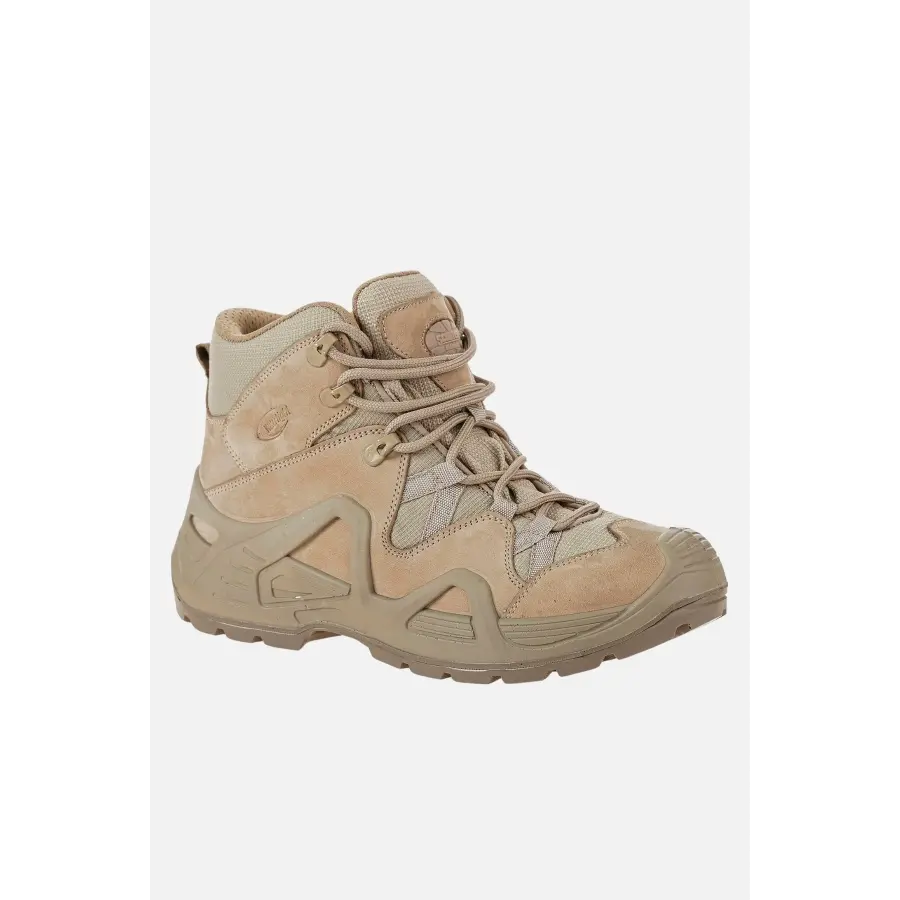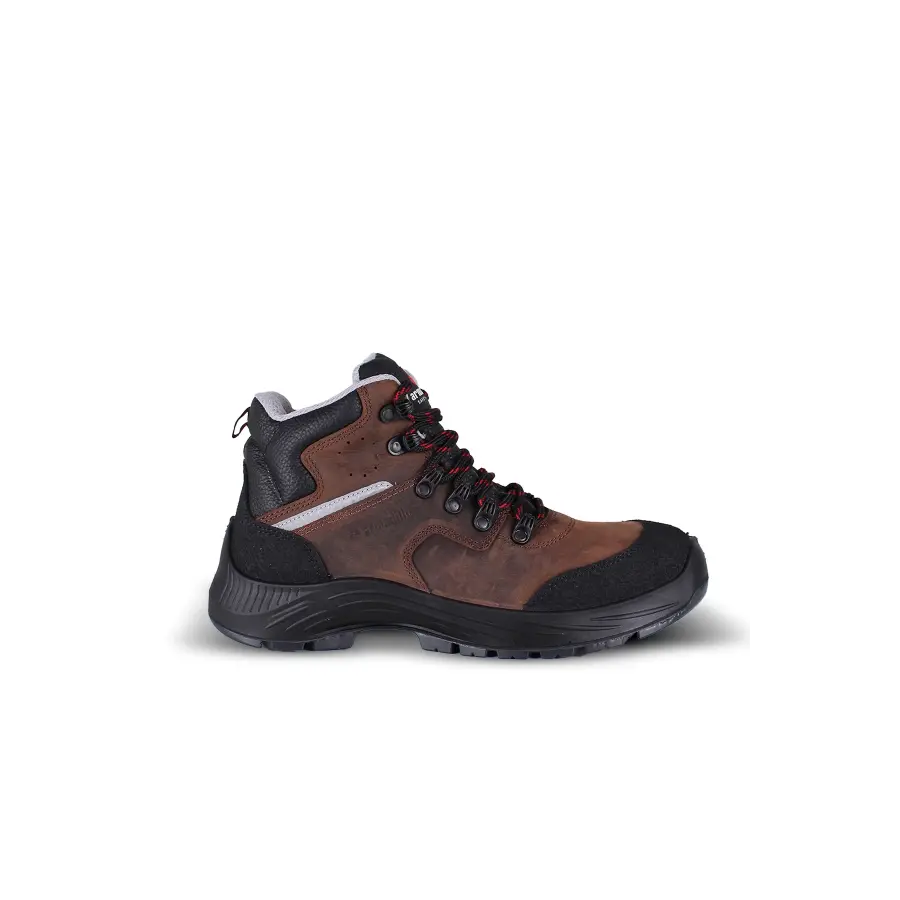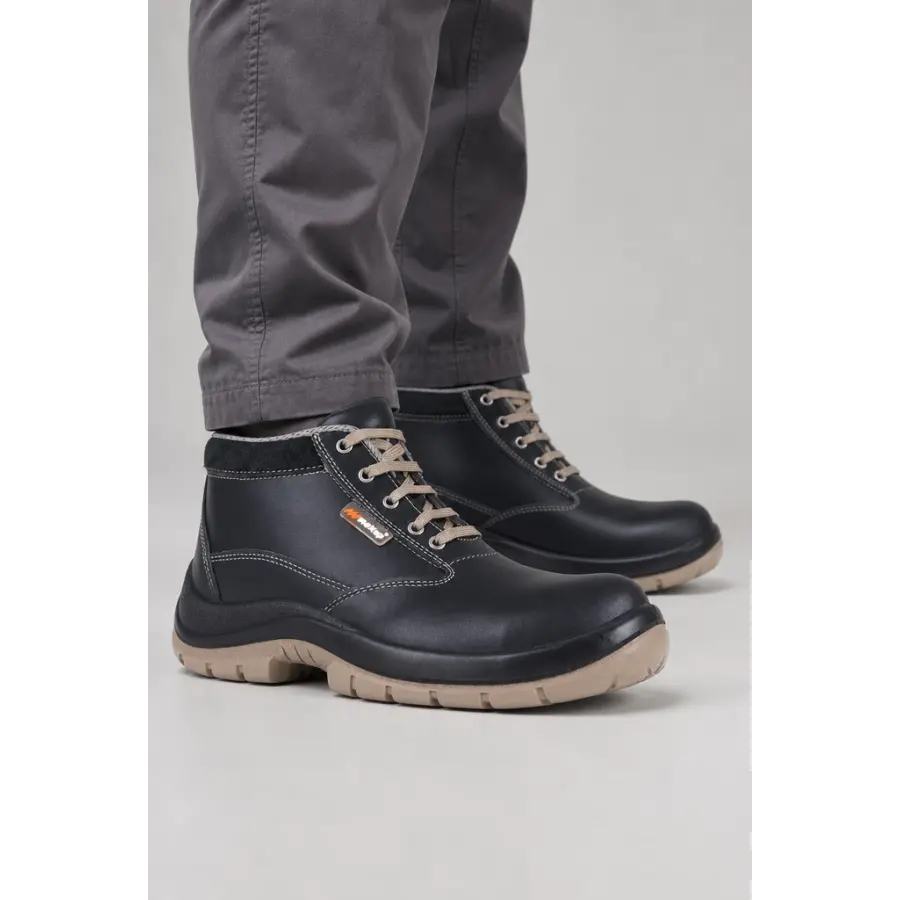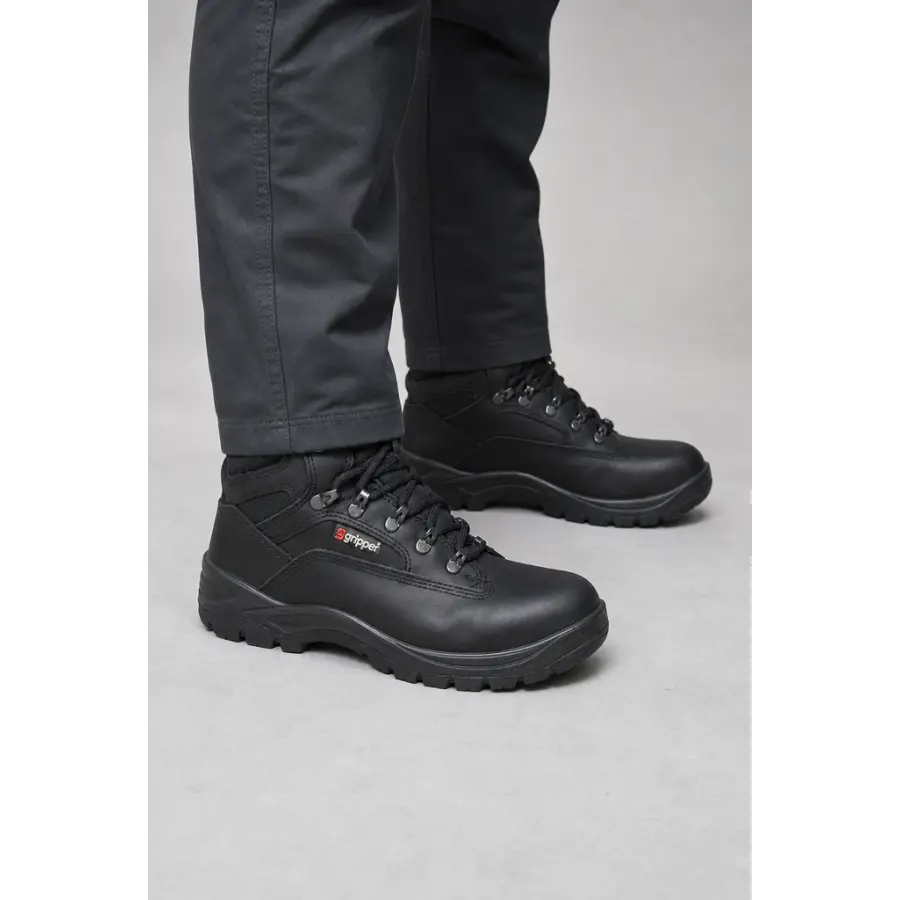




When choosing safety boots, look beyond the model or appearance: consider the working environment, safety class, toe protection, sole construction, ankle support and correct size together. Steel toe cap, composite toe cap and non-protective work boots may be designed for different applications.
Safety boots generally have a design that encloses more of the ankle. This can affect how they feel and how you move in them. However, ankle height alone does not mean a higher level of safety.
Steel, composite or other types of toe cap may be available. The toe cap material is only one feature of the product; the overall level of protection should be assessed together with the relevant standard, safety class and other specifications.
On slippery, oily or wet surfaces, or where there is a risk of sharp objects, sole properties become important. If you need slip resistance or puncture protection, check the current technical markings on the product page.
Compare your foot length with the brand's size chart, where available. If you will wear thick socks or thermal socks/liners, take this into account as well. The toe cap and boot last may feel different from casual shoes.
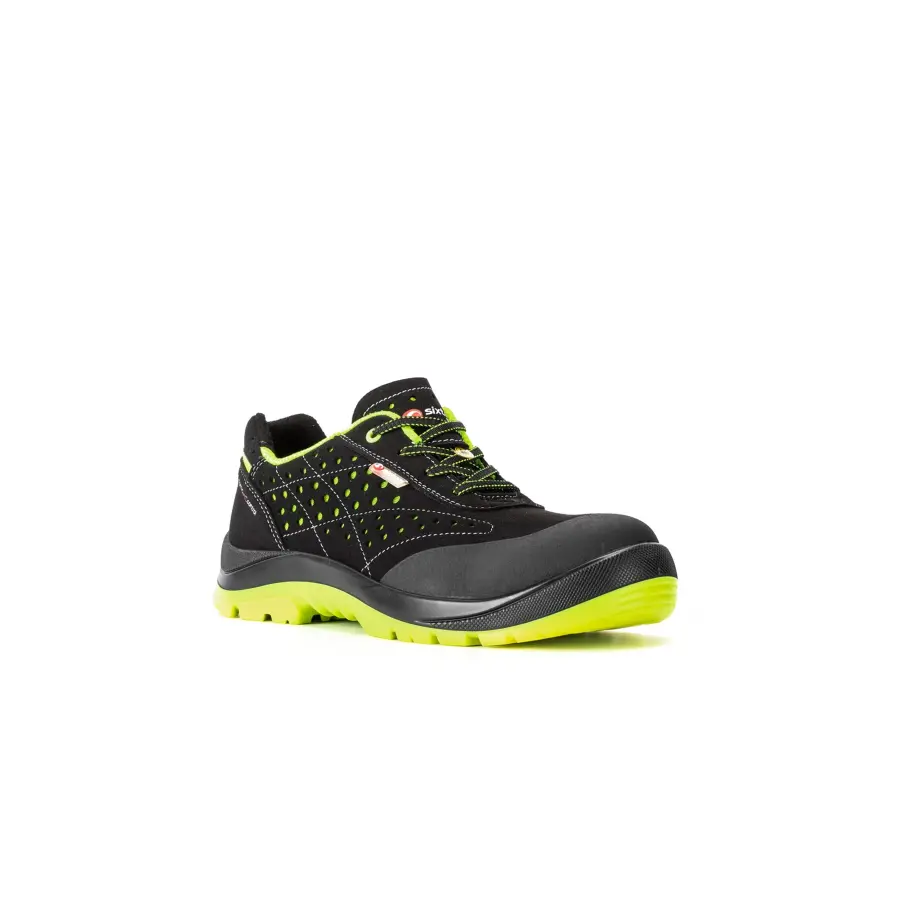
You can also browse safety shoes for a lower-cut option, or work wellingtons for environments with a lot of water and mud.
Browse Safety Shoes Browse Work WellingtonsFind out how S3, a class often seen on safety boots, differs from S1P, and whether S3 means fully waterproof, in our guide Differences between S1P and S3 safety shoes.
Browse other foot protection products in the foot protection category, and other personal protective equipment in the safety equipment category.


We use strictly necessary cookies to run this website. With your explicit consent we also use analytics and marketing cookies; in this context some data may be transferred to service providers outside Türkiye. You can change your choice at any time. Details: Cookie Policy