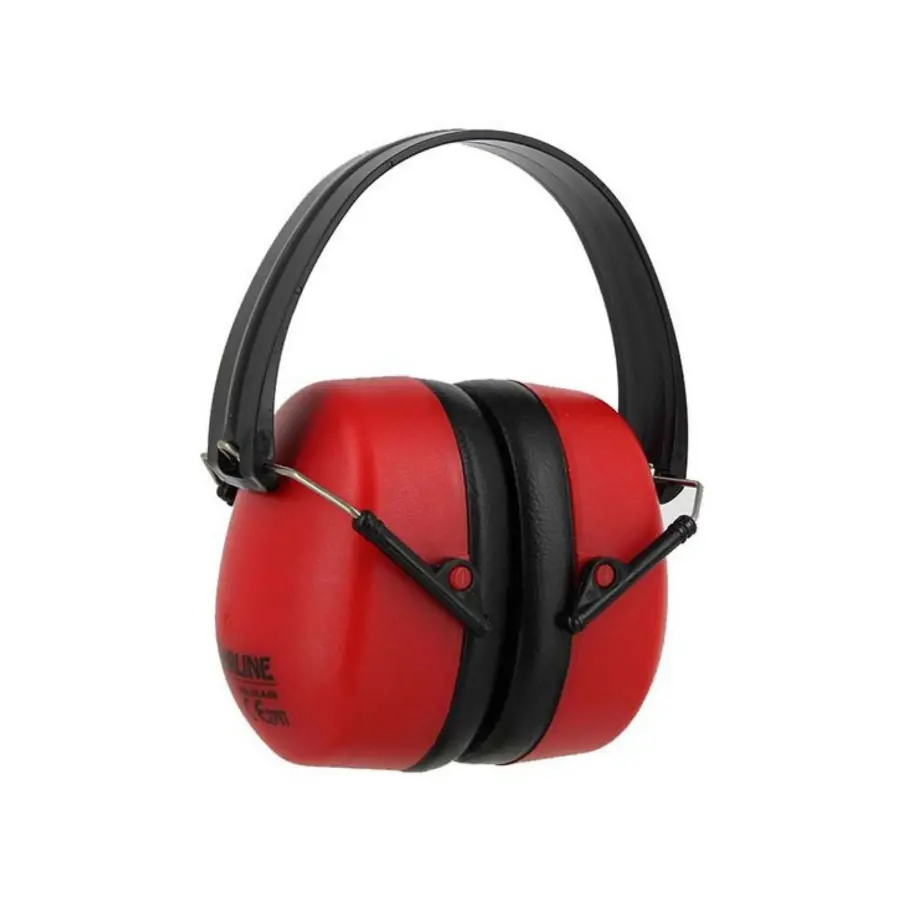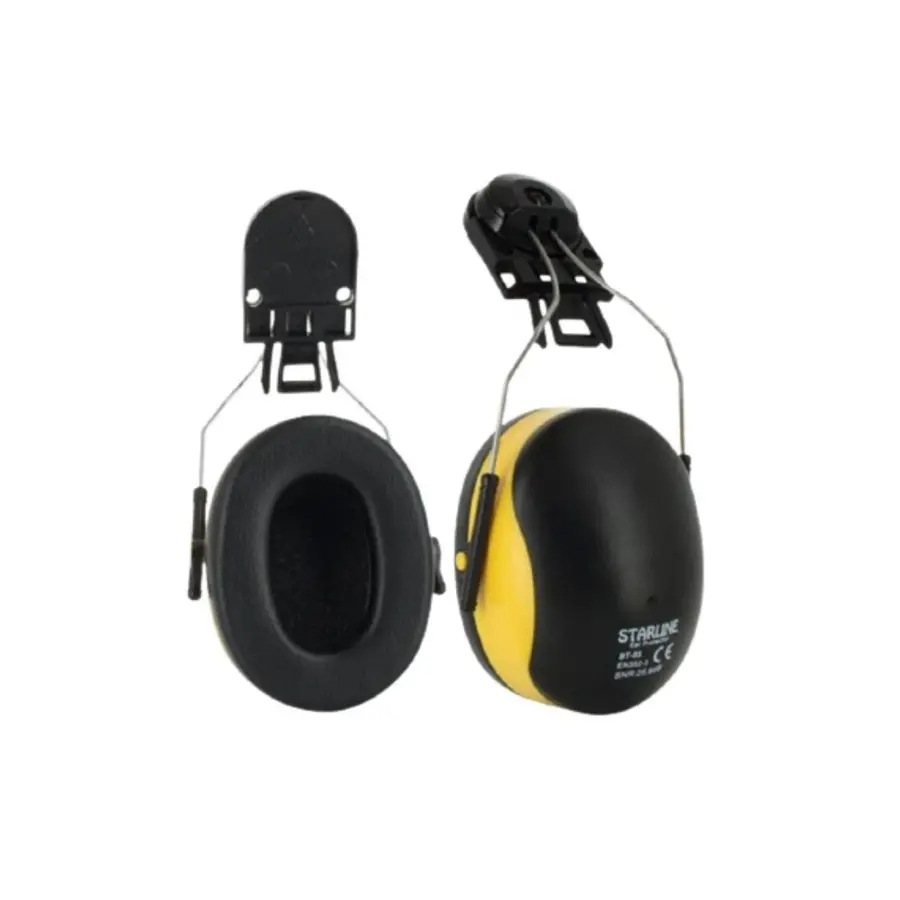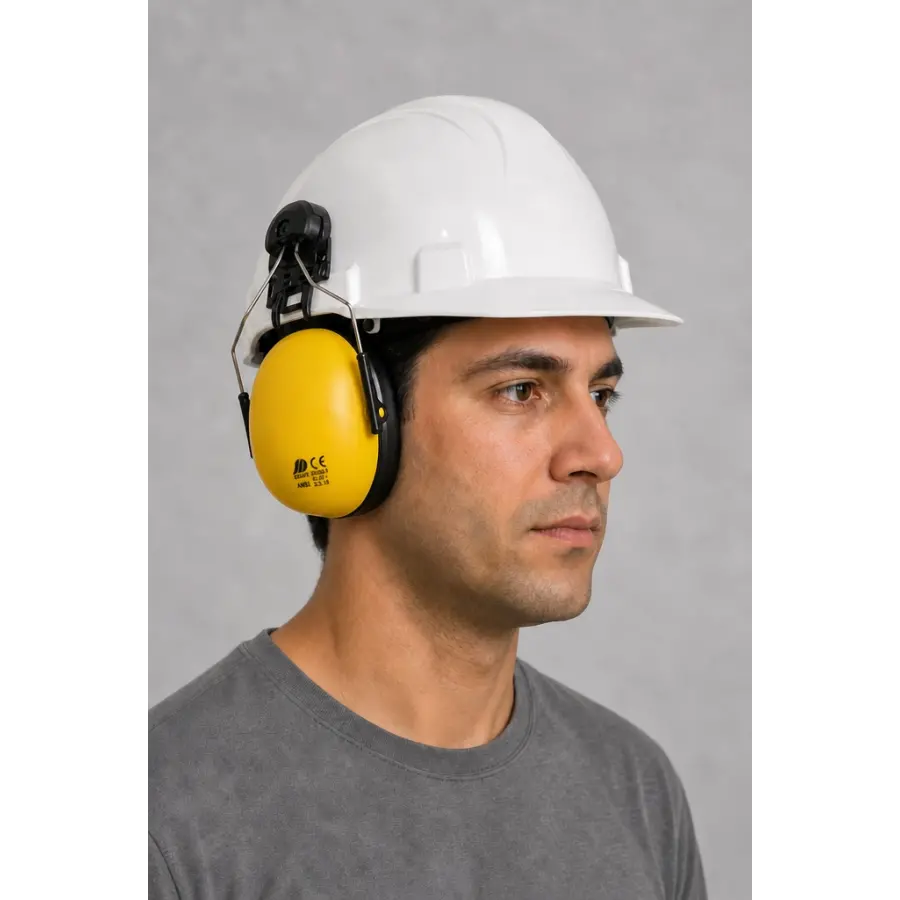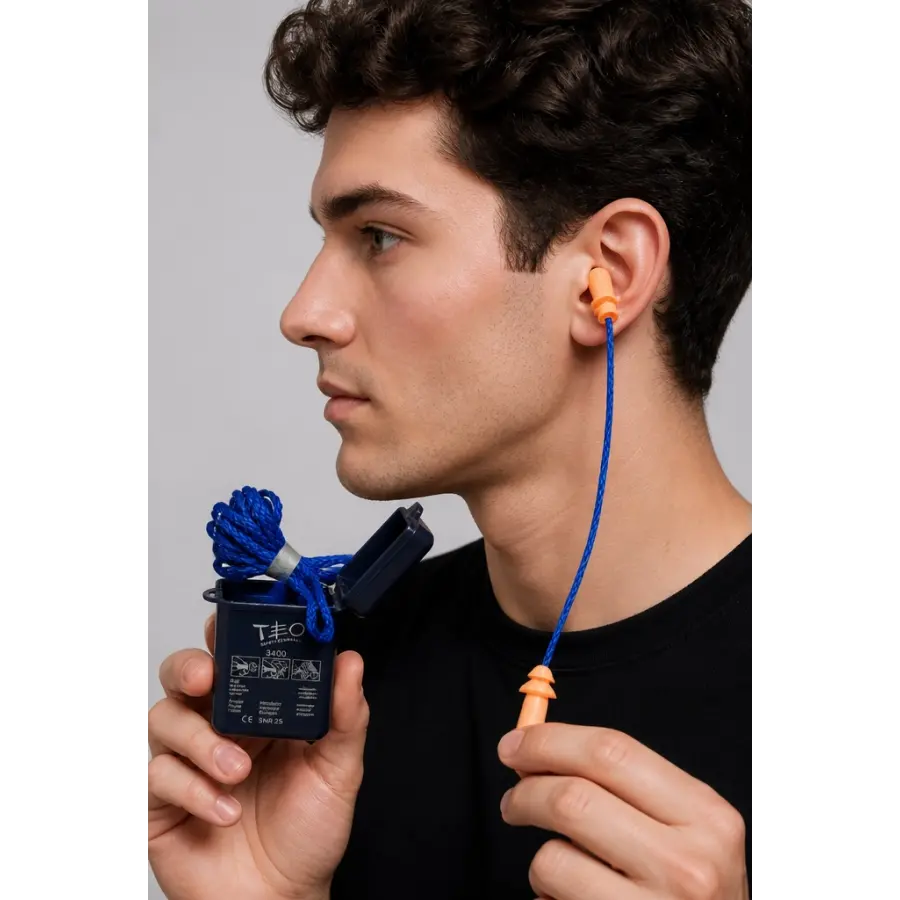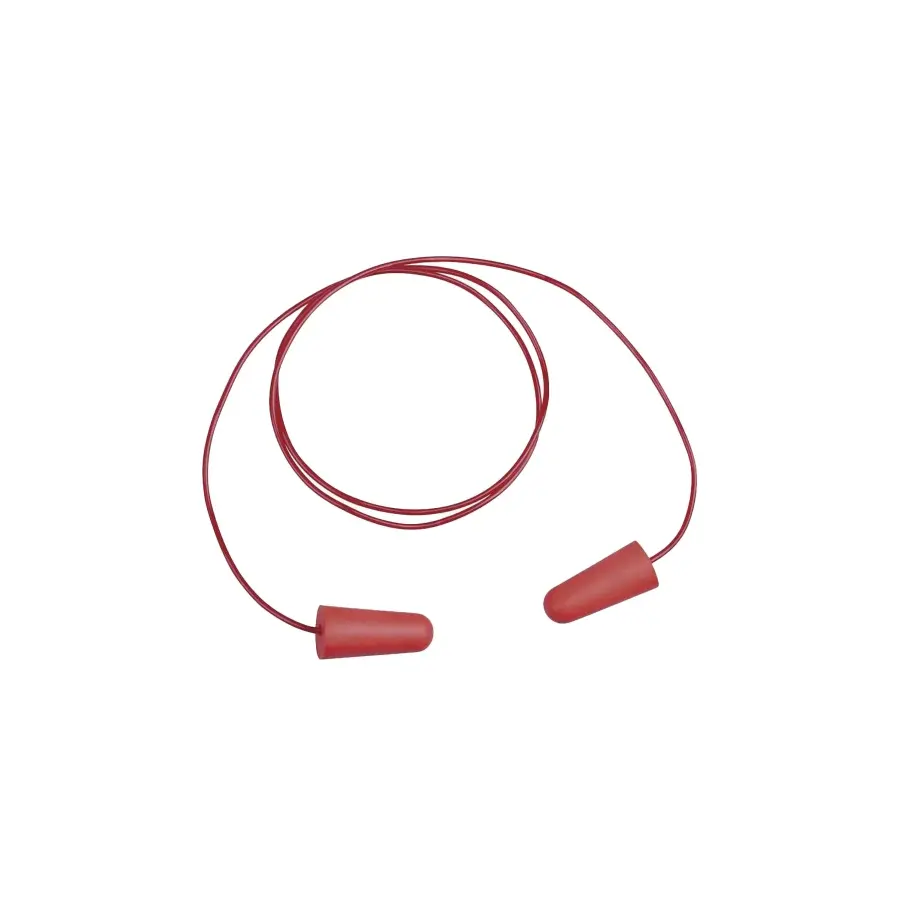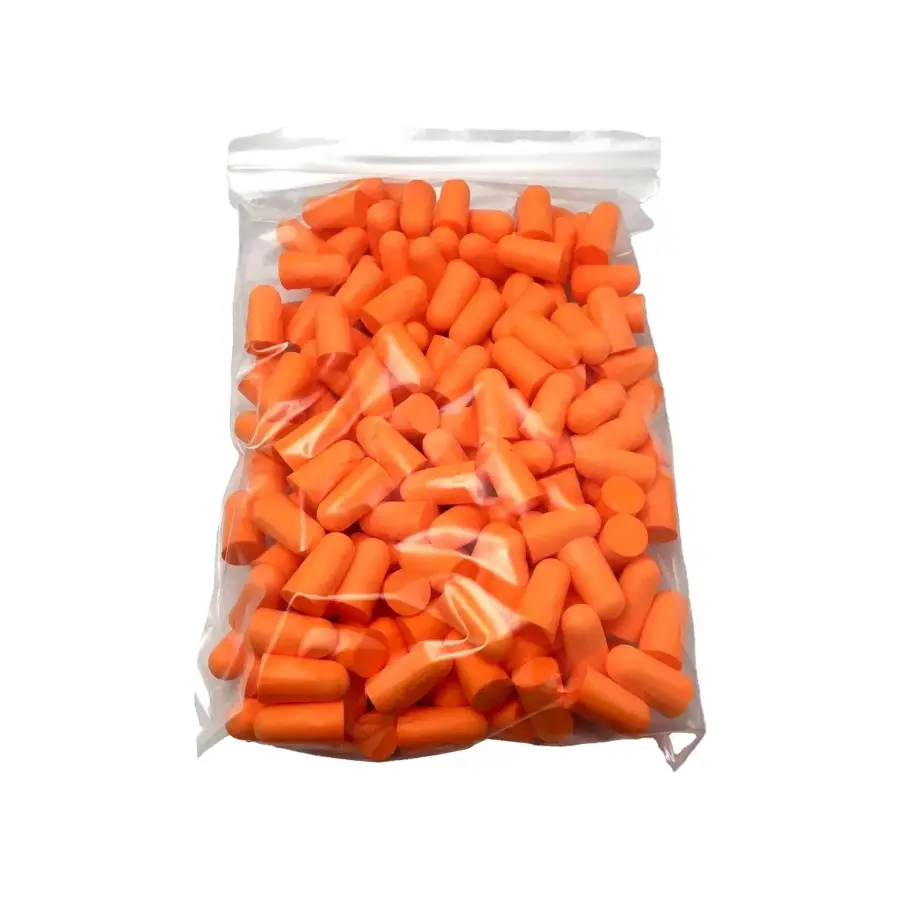





How much an ear plug reduces noise is shown by the SNR value on the packaging. Using the HSE method, the level remaining at the ear is roughly calculated as the C-weighted level of the environment − SNR; for real-world conditions, 4 dB is added to the result. The target is 70–80 dB(A) at the ear; below 70 is over-protection. In Türkiye, under the Noise Regulation, hearing protection must be made available at 80 dB(A), and its use must be ensured and enforced at 85 dB(A); the 87 dB(A) limit value must not be exceeded under any circumstances.
Formula: effective level at the ear = LC − SNR, +4 dB for real-world use (HSE L108). The C-weighted value is given in the noise measurement report. The result is an estimate and does not apply to peak noise.
| Value (8-hour) | Level | Employer's obligation |
|---|---|---|
| Lower exposure action value | 80 dB(A) | Makes hearing protection available for employees to use (Art. 9/1-a). |
| Upper exposure action value | 85 dB(A) | Ensures and enforces the use of hearing protection (Art. 9/1-b); these areas are marked and access to them is restricted (Art. 8/3). |
| Exposure limit value | 87 dB(A) | Must not be exceeded under any circumstances (Art. 10). The effect of the protector is taken into account for the limit value but not for the action values (Art. 5/2). |
Source: Regulation on the Protection of Employees from Noise-Related Risks, Türkiye (Official Gazette 28.07.2013, No. 28721), original text.
Protectors conforming to EN 352 are supplied with an SNR (single number) and H, M, L (high, medium, low frequency) values measured to ISO 4869-2. The HSE SNR method:
If you only have a dB(A) measurement, the HSE's rough selection table can guide you (provided low-frequency noise is not dominant):
| Ambient noise dB(A) | Recommended SNR |
|---|---|
| 85–90 | 20 or less |
| 90–95 | 20–30 |
| 95–100 | 25–35 |
| 100–105 | 30 or more |
Note: the PPE portal of Türkiye's Ministry of Labour and Social Security (ÇSGB) explains SNR in terms of dB(A) and uses the phrase "70–75 dB(A)"; the HSE, by contrast, uses the C-weighted level and a target of 70–80 dB(A) at the ear. The calculation on this page is based on the HSE method.
According to HSE, some ear plugs are reusable and others are disposable; check the manufacturer's instructions. Disposable ear plugs are used once and must not be shared. ÇSGB requires disposable plugs to be replaced with a new pair once they become dirty.
| Type | Standard | Products |
|---|---|---|
| Ear plugs | TS EN 352-2 | Starline 1453-T · Teo 3110 · Delta Plus CONICCO2V2 corded |
| Ear muffs | TS EN 352-1 | Starline MK-06 · Starline MK-08Y · Essafe GE 2630-2 |
| Helmet-mounted ear muffs | TS EN 352-3 | Starline BT-03 |
Annex 3 lists examples of work where hearing protection may be required: working with metal forming presses, pneumatic drills, pile driving, and woodworking and textile work. All products:
Hearing protection.There is no single figure; the product's SNR value is what matters. The level at the ear is estimated as roughly LC − SNR + 4 dB (HSE).
At the upper exposure action value of 85 dB(A), the employer must ensure hearing protection is worn and monitor its use; at 80 dB(A), hearing protection must be made available.
Choose according to the environment; the aim is to leave 70–80 dB(A) at the ear. A very high SNR can cause over-protection.
Sources:Noise Regulation, Türkiye (Official Gazette 28.07.2013/28721) · HSE L108 (2021) · ÇSGB PPE Portal – Hearing · JSP ear plug fitting instructions · PPE Regulation and annexes, Türkiye (mevzuat.gov.tr)
This guide was prepared by Vitrin Online on 10.10.2026. It provides general information only and is not legal advice. Always follow the product's user instructions and your workplace risk assessment.


We use strictly necessary cookies to run this website. With your explicit consent we also use analytics and marketing cookies; in this context some data may be transferred to service providers outside Türkiye. You can change your choice at any time. Details: Cookie Policy