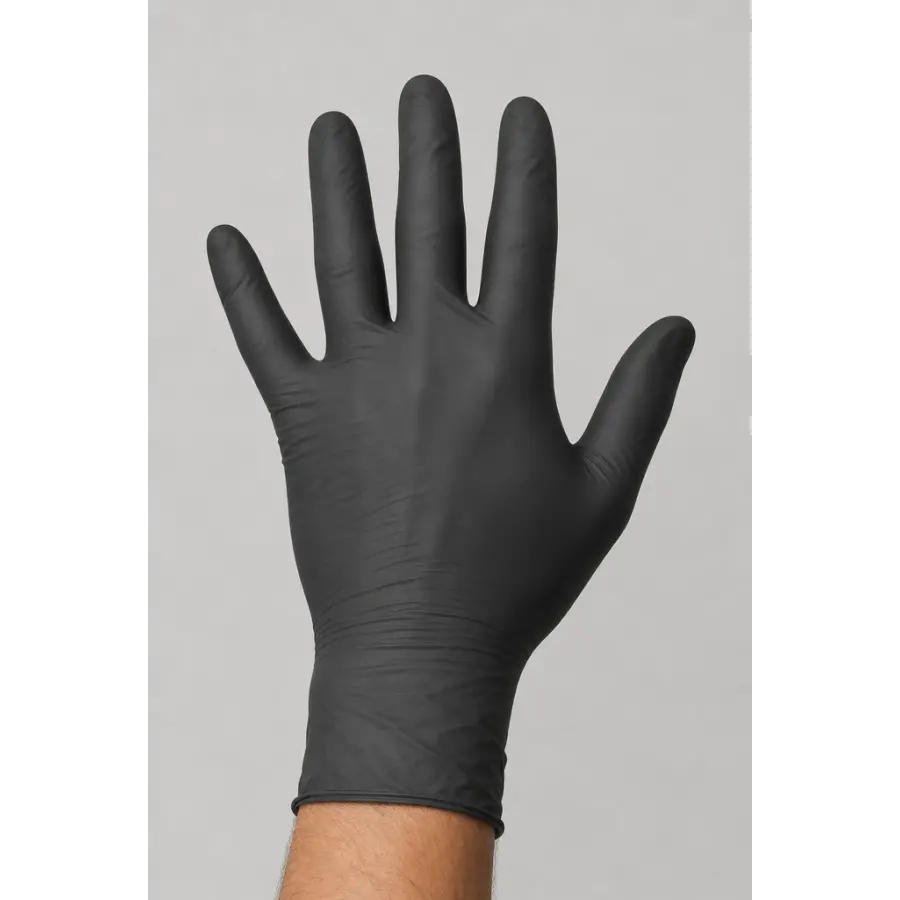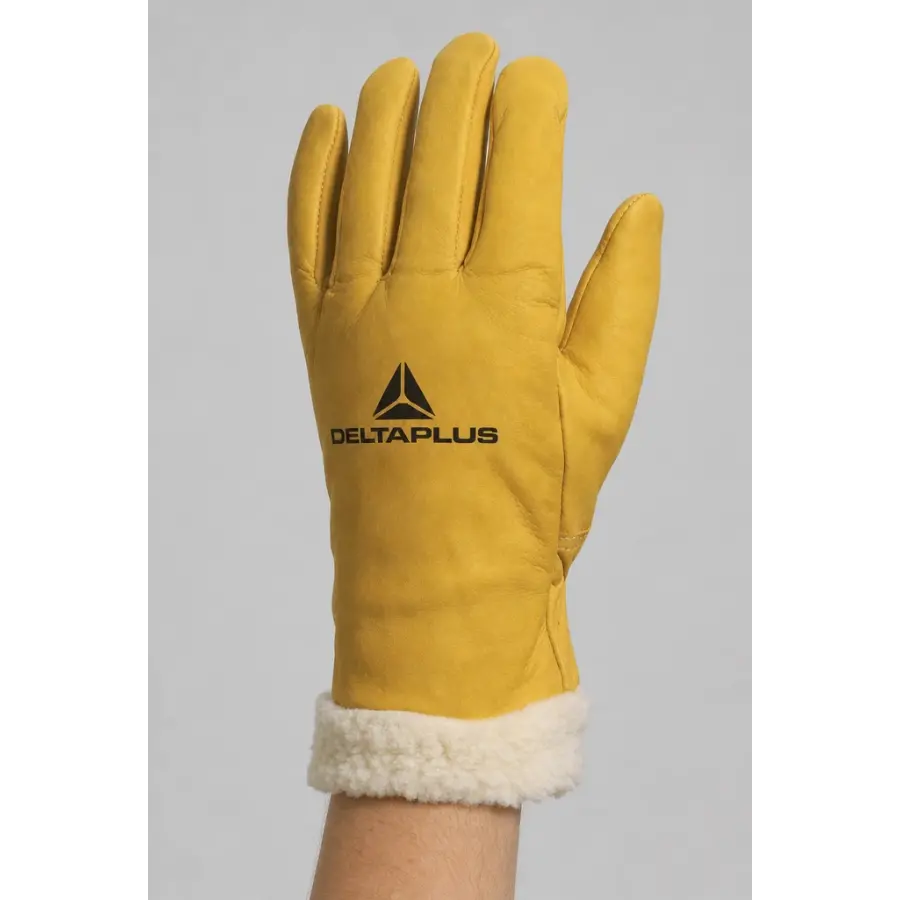





When choosing safety equipment and workwear, it is not enough to decide on the basis of a single product feature or a generic product name. The risks in the working environment, duration of use, the relevant product standard, size and fit information, and the manufacturer's technical data should all be considered together.
This guide is a general starting guide that brings together the key criteria for choosing personal protective equipment (PPE), workwear, safety shoes, safety boots and outdoor clothing. For more technical topics, you will find links to dedicated guides.
Short answer: First identify the risk in the working environment. Then assess the product's protective purpose, the relevant standard, size/fit and the manufacturer's technical documentation together. Simply calling a product "safety shoes", "work gloves" or a "work coat" does not mean it meets a particular protection standard.
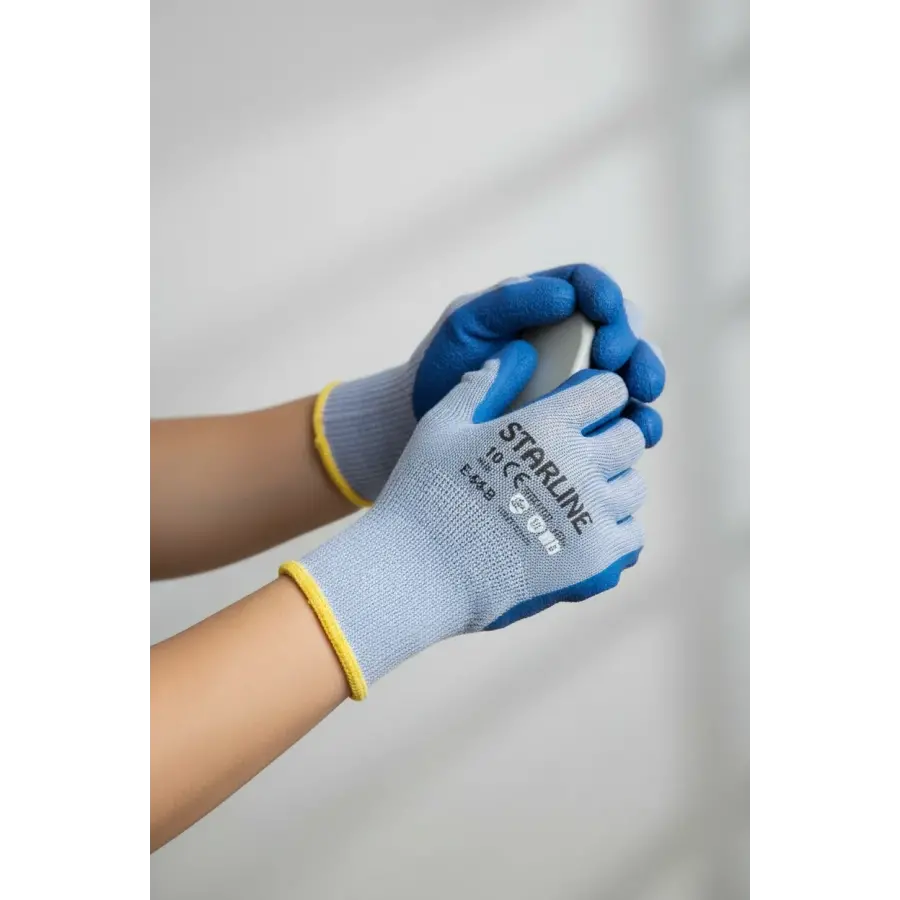
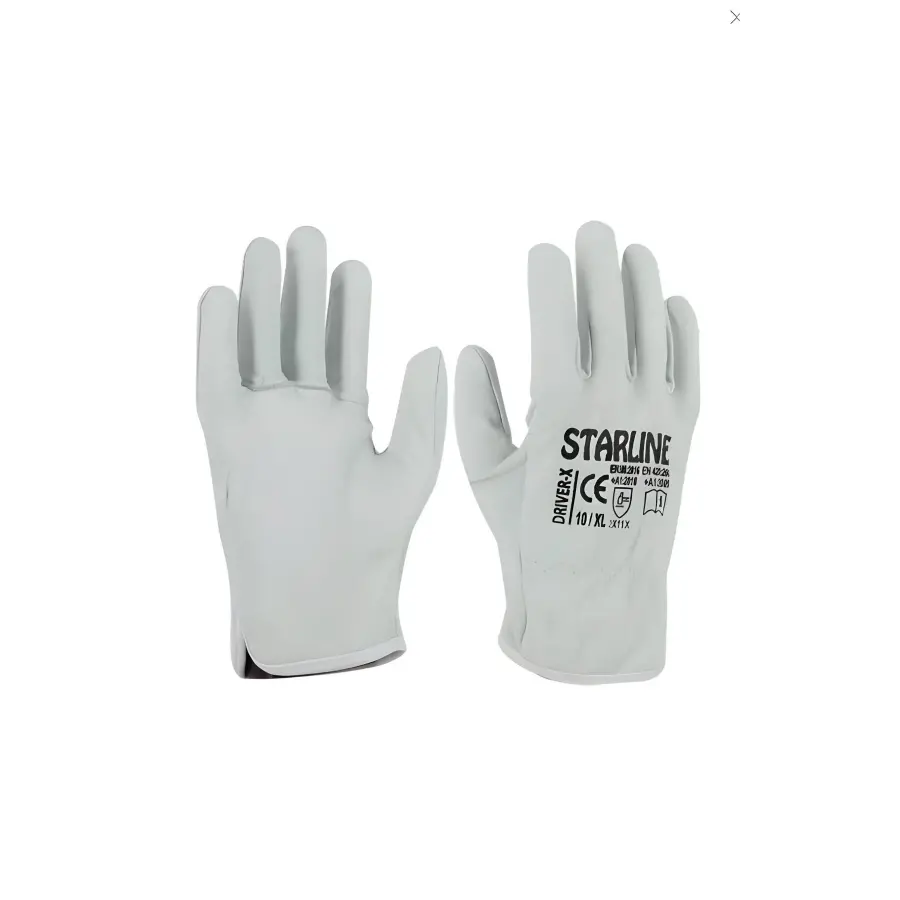
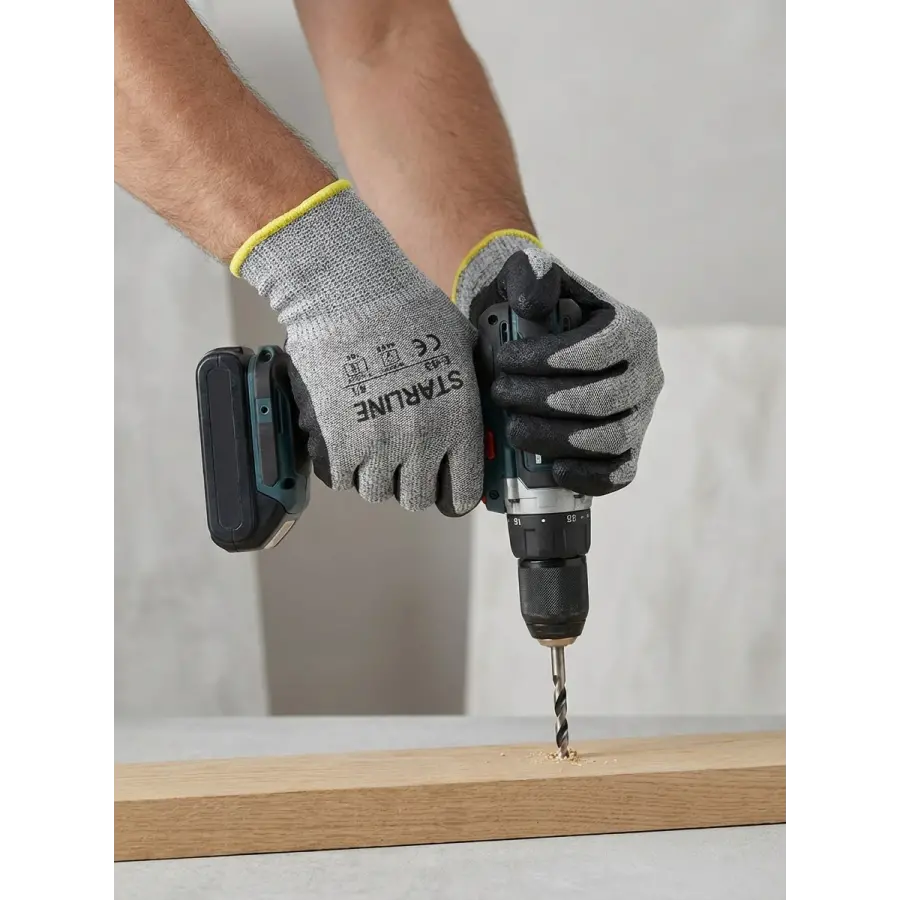
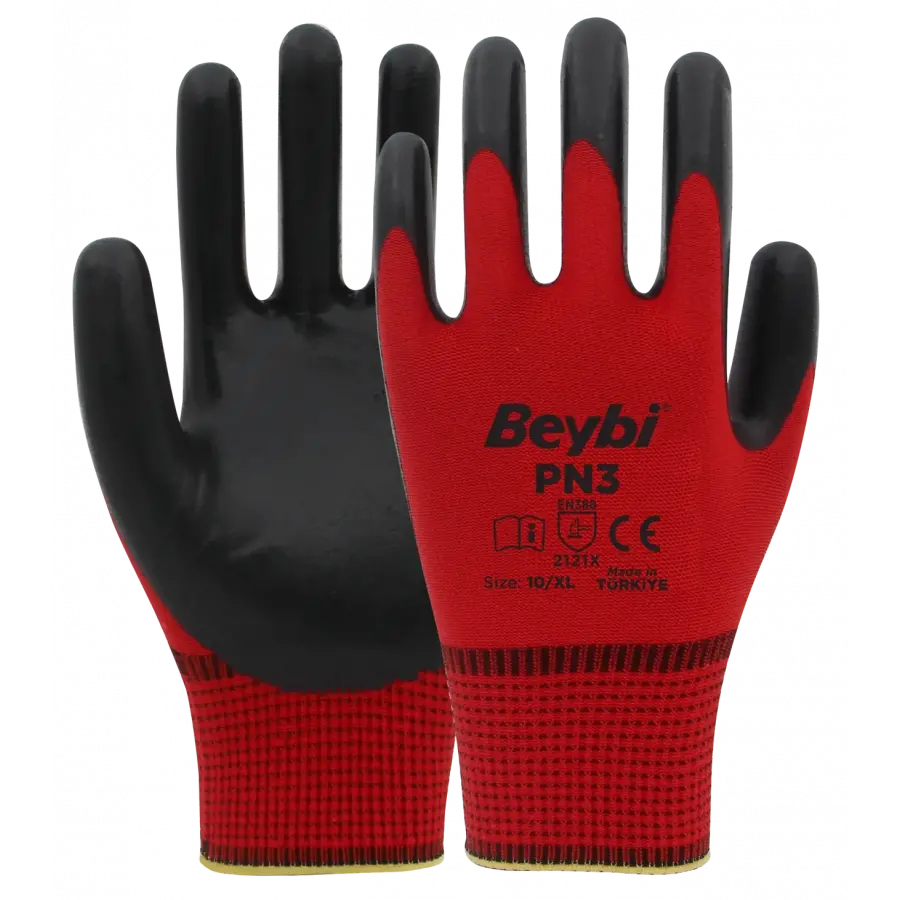
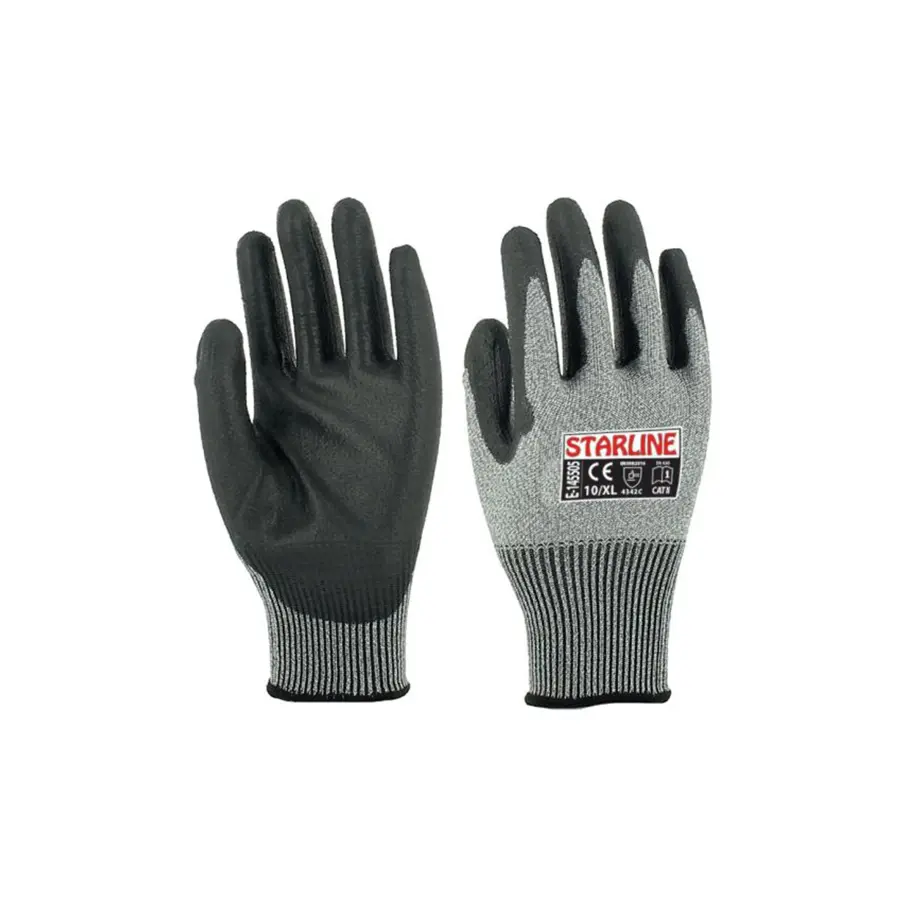
Safety equipment covers personal protective equipment and auxiliary equipment used to protect workers against specific risks in the working environment. Examples include safety helmets, safety glasses, face shields, respiratory protection, work gloves, safety shoes and fall protection systems.
Product selection should be based on the workplace risk assessment; the product's intended use, the limits stated by the manufacturer and, where applicable, the relevant EN / ISO standard should be checked together.
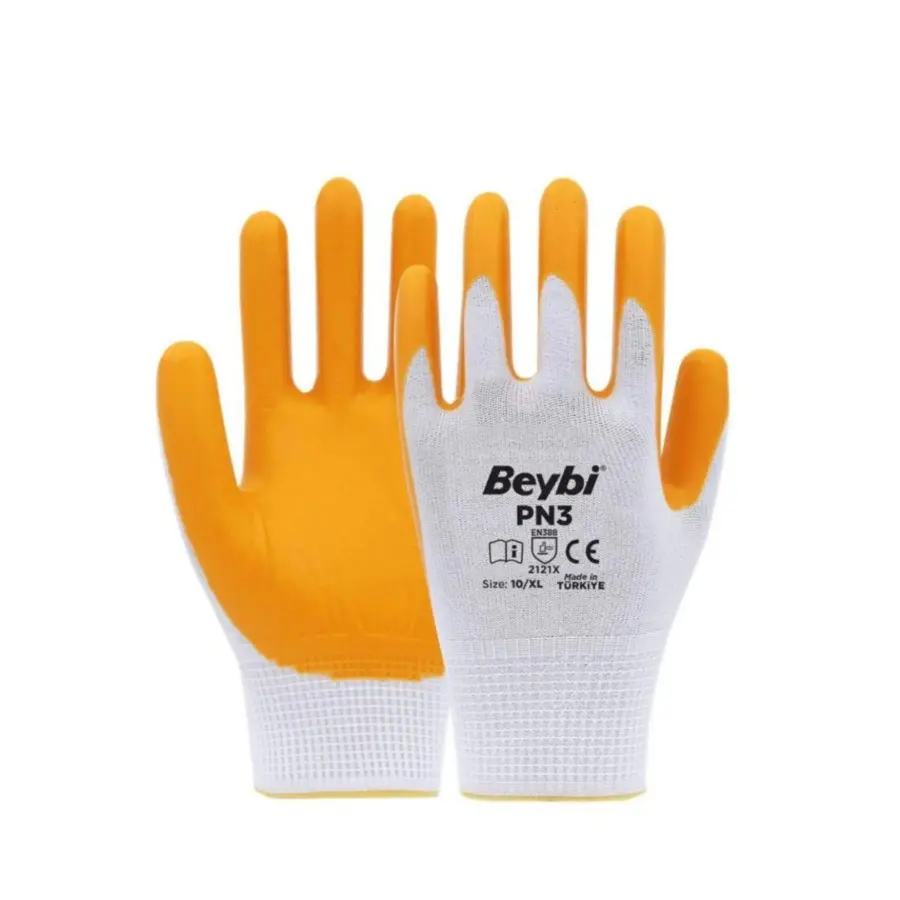
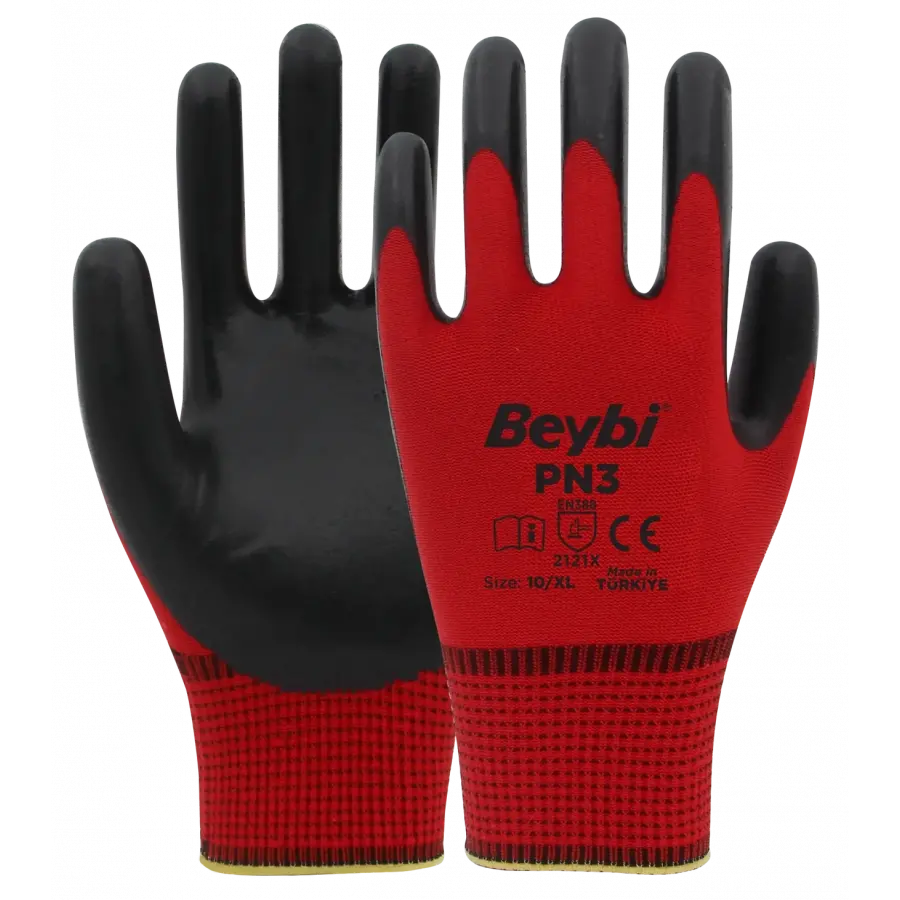
The CE marking shows that the product has been subjected to a conformity assessment by the manufacturer under the relevant European Union legislation. However, seeing a CE logo alone does not prove that the product is suitable for your working environment.
When choosing PPE, in addition to the CE marking, the product's model, manufacturer, intended use, relevant standard markings, instructions for use and, where available, the EU declaration of conformity (DoC) should be assessed together.
| Category | General Risk Approach | Note |
| Category I | Limited / low-level specific risks | Check separately which specific risk the product protects against |
| Category II | Risks not covered by Category I or III | Many PPE items for mechanical risks may fall into this category |
| Category III | Risks that may cause death or irreversible serious harm to health | More extensive conformity and production control procedures apply |
The name of the sector alone is not enough when choosing workwear. Within the same sector, the protection and comfort features needed by staff in different roles can vary. Fabric, visibility, freedom of movement, pocket layout and, where required, specific protective standards should therefore be assessed according to the risks of the job.
Visibility requirements, freedom of movement, durability at the knees and pockets, and weather conditions should be considered together. If high-visibility (hi-vis) clothing is required, check the technical data to confirm that the product actually meets the relevant hi-vis standard.
Hygiene, suitability for frequent washing, fabric construction and the company's own colour / role coding system may take priority. Claims such as "antibacterial", "HACCP compliant" or similar should only be relied on if they are confirmed in the product's technical information.
For work involving electrical, electrostatic or thermal risks, ordinary work clothing may not be sufficient. If antistatic, electrostatic dissipative or flame / heat protective properties are needed, the required standard should be determined by the risk assessment. Do not assume that the same combination of standards is mandatory for every electrical or electronics job.
In warehouse environments involving long periods of movement, comfort, flexibility, breathability and pocket layout are important. In cold stores, the thermal performance of the fabric and layers should also be assessed separately.
For a closer look at size, fabric and pocket design when choosing work trousers, see our Work Trousers Buying Guide.
When choosing safety shoes, the work surface, puncture risk, water and moisture conditions, toe cap type, sole construction, slip resistance and daily wearing time should be considered together.
Under EN ISO 20345, markings such as S1, S1P, S1PL, S1PS, S2, S3, S3L and S3S indicate that the product meets different additional performance requirements.
| Class | Brief Description | General Approach |
| S1 | S1 requirements such as closed heel, antistatic properties and energy absorption in the heel area | Dry indoor environments |
| S1P / S1PL / S1PS | S1 features + penetration-resistant sole protection | Dry areas with a risk of sharp, penetrating objects |
| S2 | S1 + WPA requirement for water penetration / absorption of the upper material | Areas where contact with moisture or water is possible |
| S3 / S3L / S3S | S2 + penetration resistance + cleated outsole | On-site work and more demanding ground conditions |
Compare the differences between S1P and S3 in detail
To see penetration resistance, the WPA water requirement, P / PL / PS markings and applications in detail, read our S1P vs S3 Safety Shoes guide.
No. The WPA requirement in the S3 class refers to the upper material's performance against water penetration and absorption. Water resistance of the whole shoe is a separate WR property. These two concepts should not be confused.
Browse safety shoes
Foot Protection · Steel Toe Safety Shoes · Composite Toe Safety Shoes
For outdoor activities and outdoor work, a layering system rather than a single thick garment can make it easier to adjust your clothing to weather conditions and activity level.
To learn more about outdoor and tactical clothing layers,read our Outdoor and Tactical Clothing Guide.
There is no fixed replacement interval that applies to all PPE or workwear. The intensity of use, any damage, the manufacturer's instructions and whether the protective properties are still intact should be assessed.
The first step is to identify the actual risk the worker faces. The product type, standard and level of protection should then be chosen based on that risk assessment.
No. CE marking is an important indicator of conformity, but you should also assess which risk the product is designed to protect against, the relevant standard, the manufacturer's documentation and its suitability for the working environment.
S1P includes penetration-resistant sole protection. S3 meets the S2 requirements and adds penetration resistance and a cleated outsole. Read our detailed S1P vs S3 comparison.
Cotton can take a long time to dry once it absorbs moisture. In cold and wet conditions in particular, layers with better moisture management may be preferable. The choice should be based on weather conditions and activity level.
It is not appropriate to give a fixed replacement period. The garment should be assessed if there is tearing, abrasion, damage to reflective elements, loss of protective properties, or if the usage limits specified by the manufacturer have been reached.
No. They may look similar in design, but work trousers should only be considered to meet a specific protective standard if this is clearly stated in the product's technical documentation. A tactical design on its own does not mean the garment is PPE or meets a protective workwear standard.


We use strictly necessary cookies to run this website. With your explicit consent we also use analytics and marketing cookies; in this context some data may be transferred to service providers outside Türkiye. You can change your choice at any time. Details: Cookie Policy