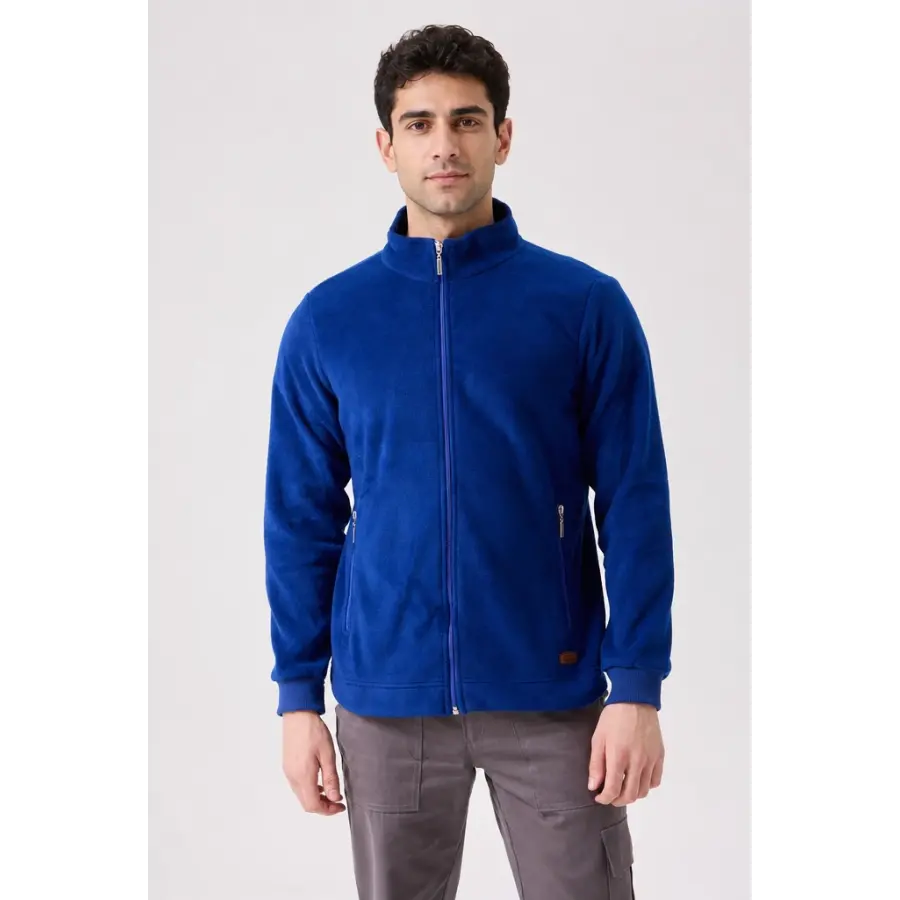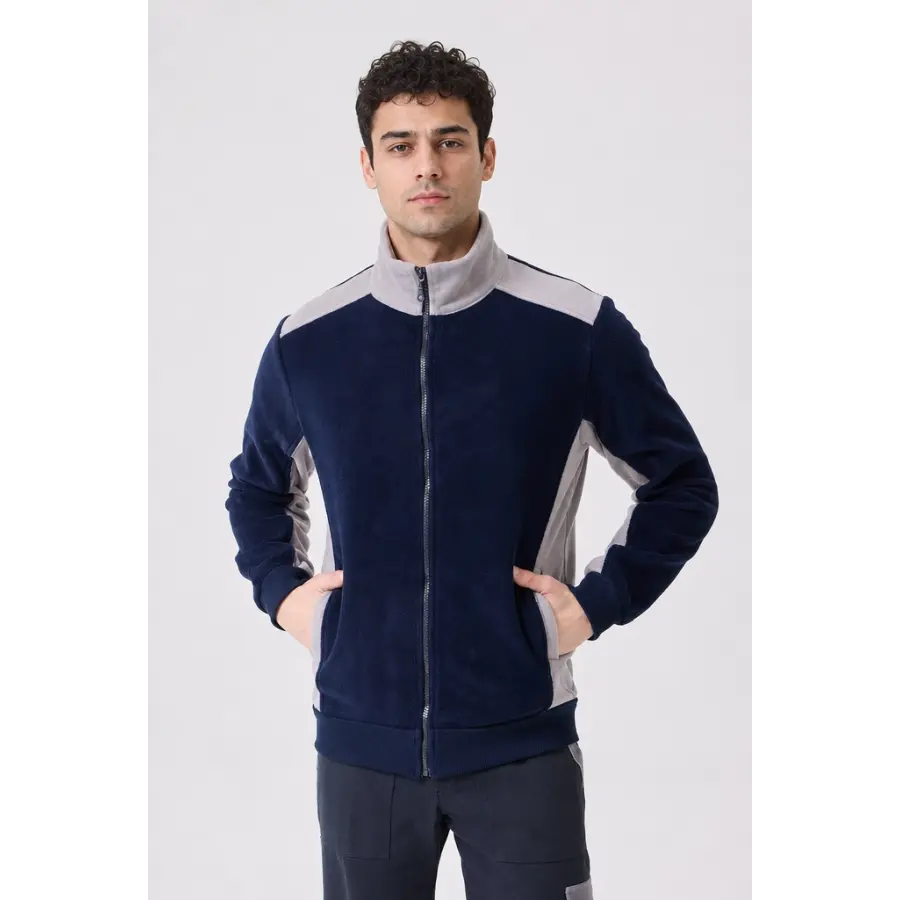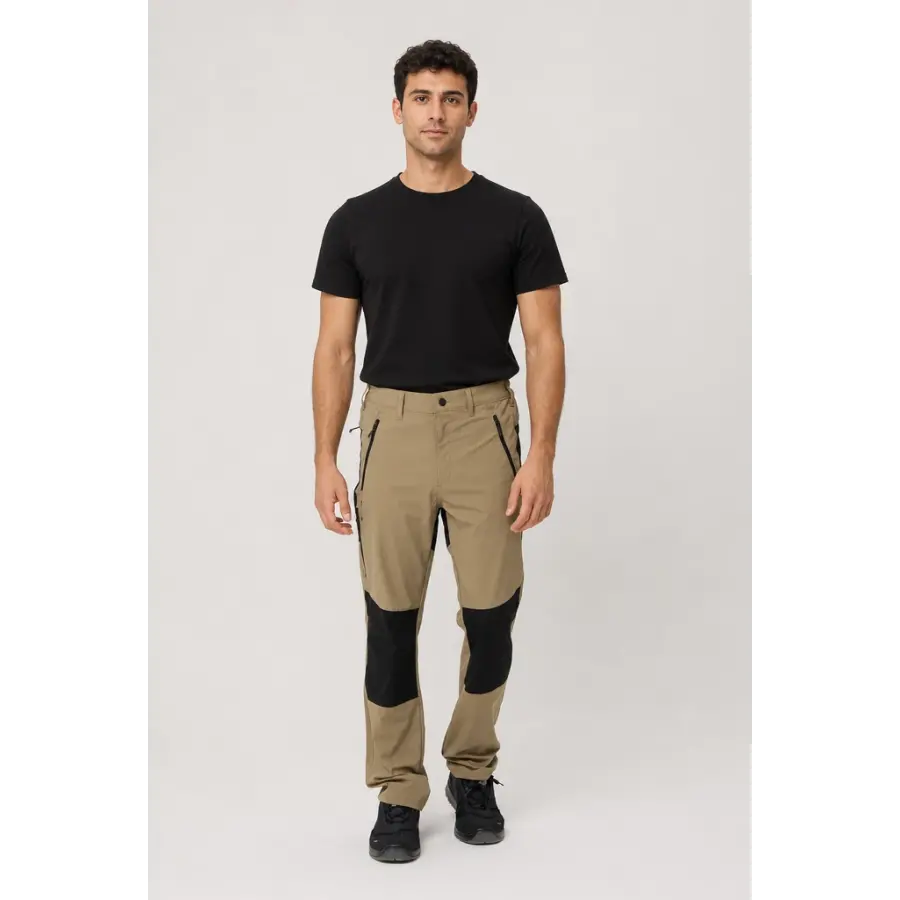


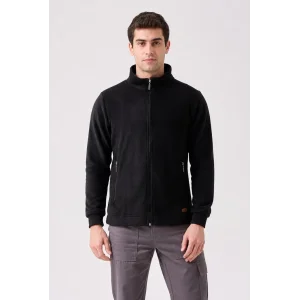


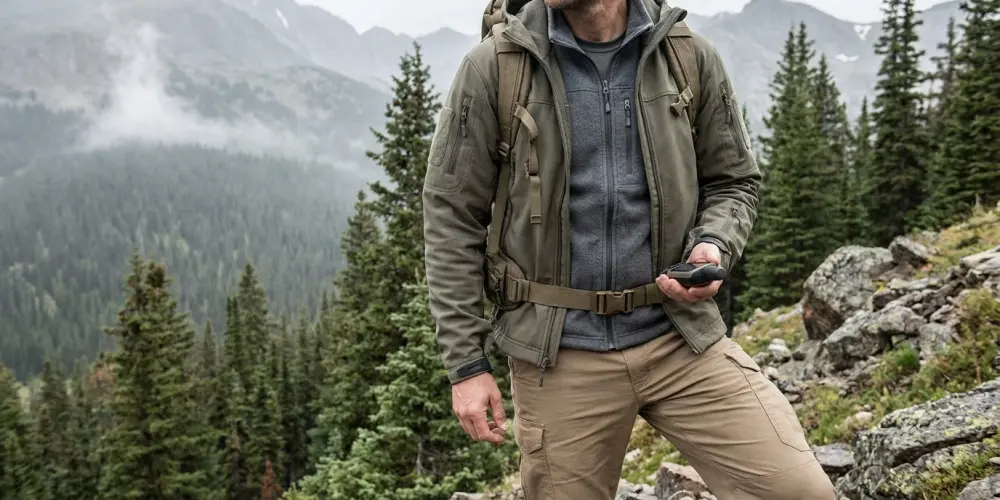
The core principle of outdoor and tactical clothing is layering. The base layer next to the skin wicks moisture away (merino wool or polyester; cotton is not recommended). The mid layer retains heat (fleece or a padded gilet). The shell layer blocks wind and rain: choose softshell for dry, active use and hardshell for heavy rain and snow. What sets tactical trousers apart from cargo trousers is ripstop fabric, knee pad pockets and stretch panels. Garments with a membrane or DWR coating should be washed with liquid detergent; do not use bleach or fabric softener.
Outdoor clothing is a clothing system made with specialised fabric technologies to manage body heat, moisture and weather conditions during outdoor activities and in open-air work environments. Tactical clothing combines similar durability with functional details designed for security, law enforcement and defence needs.
Wearing several thin layers instead of one thick garment makes heat management more flexible and lets each layer perform a different function. Mountaineers have relied on this system for decades, and today it is also used by security personnel and outdoor enthusiasts.
| Material | Advantages | Disadvantages |
| Merino Wool | Natural odour resistance, excellent heat regulation | Expensive, less durable |
| Polyester | Quick-drying, durable, economical | Can retain odours |
| Nylon | Soft, durable | Usually used in blends |
| Cotton | — | Stays wet, risk of hypothermia — never use |
The mid layer is the insulating layer that traps body heat in cold weather. It should pass moisture from the base layer through to the shell layer rather than absorb it.
| Feature | Softshell | Hardshell |
| Water resistance | Partial (DWR coating) | Full (laminated membrane) |
| Breathability | High | Medium-high |
| Flexibility | High | Medium |
| Ideal use | Active sports, everyday outdoors | Heavy rain, mountaineering |
Tactical clothing is a category of functional garments originally developed for military and security personnel, but now also worn by outdoor enthusiasts, security companies and emergency response teams.
Long-sleeve and short-sleeve tactical shirts stand out for stretch panels on the inner arms, reinforcement at the shoulders and elbows, and quick-drying performance. For civilian use, plain colours (black, navy, olive green, grey) are preferred.
When wet, cotton absorbs several times its own weight and takes a long time to dry. In cold, windy conditions, wet cotton clothing is one of the most common causes of hypothermia.
If you are very active and conditions are windy but not wet, softshell is more comfortable and flexible. In heavy rain or snow, a hardshell is essential. Ideally, have both.
No. Tactical trousers feature ripstop fabric, knee pad pockets, hidden YKK pockets and technical stretch panels. Cargo trousers are simply a general design with extra pockets. Tactical products generally offer a higher fabric standard and tighter stitching quality.
Yes, the difference is real, but you only feel it with proper care. A dirty or incorrectly washed Gore-Tex jacket can perform worse than a clean, well-maintained jacket with a DWR finish. It is care that keeps the technology working.


We use strictly necessary cookies to run this website. With your explicit consent we also use analytics and marketing cookies; in this context some data may be transferred to service providers outside Türkiye. You can change your choice at any time. Details: Cookie Policy