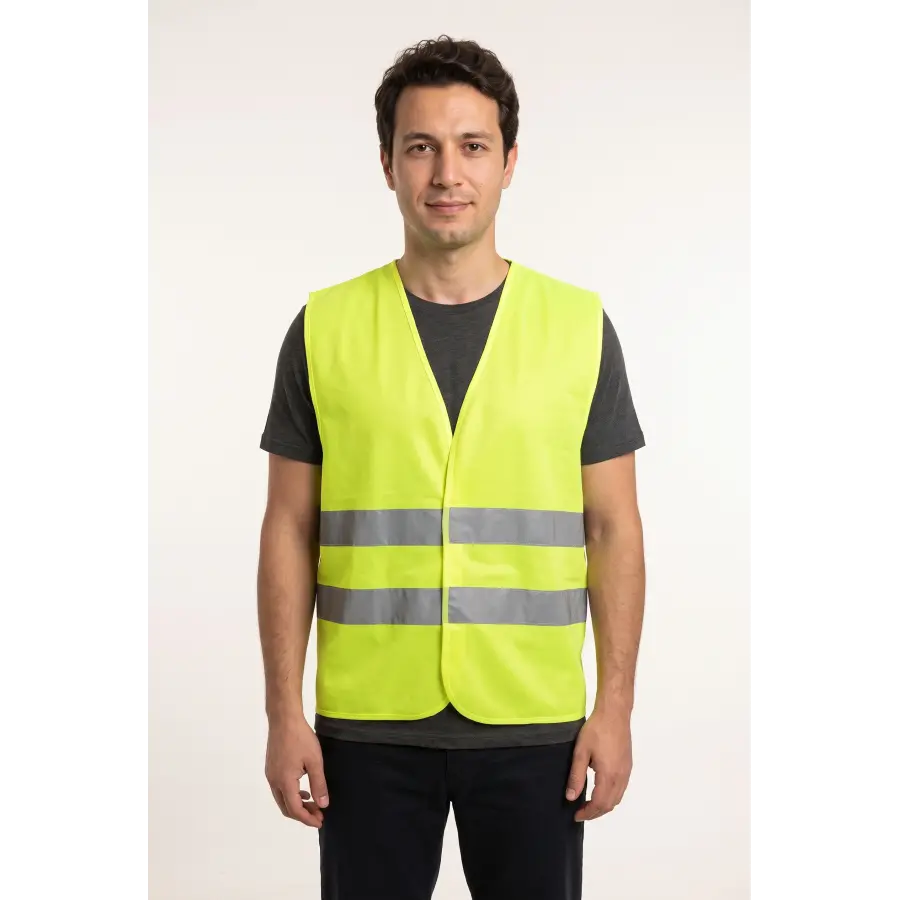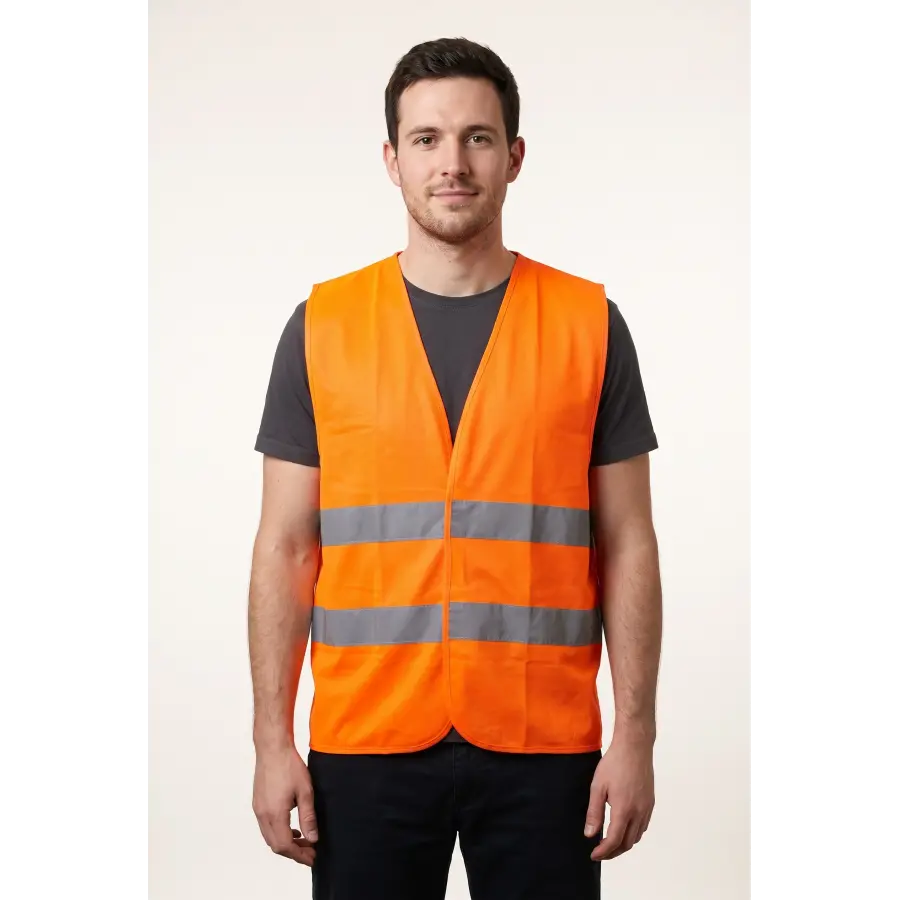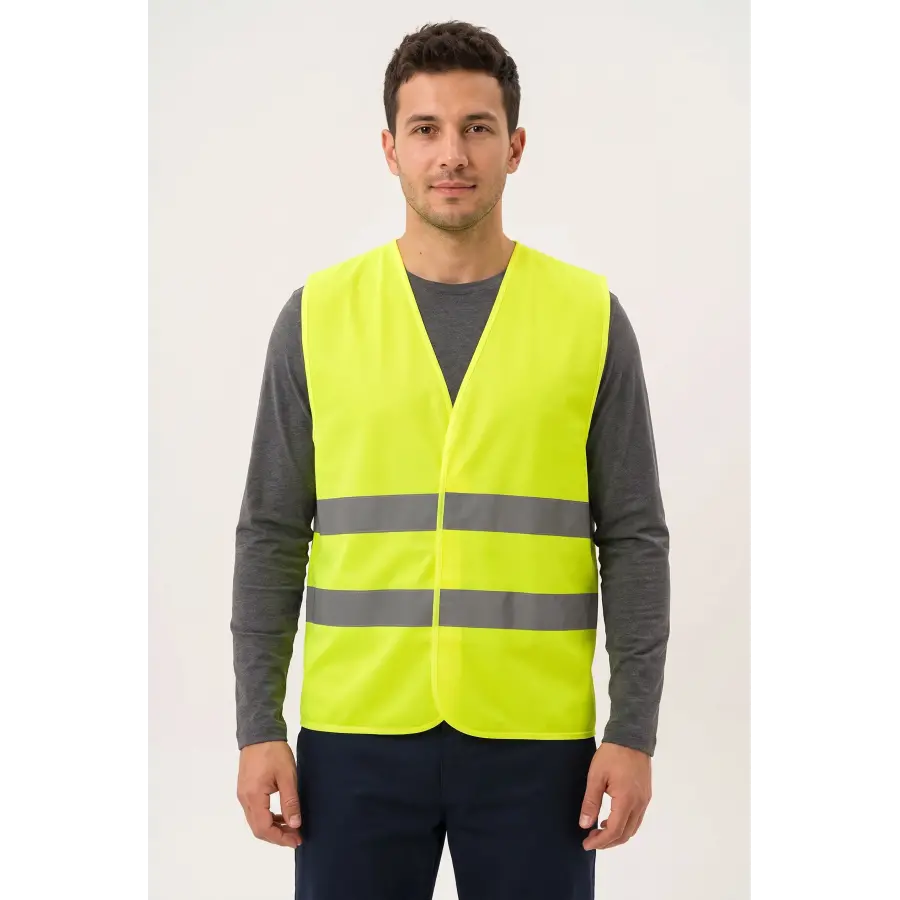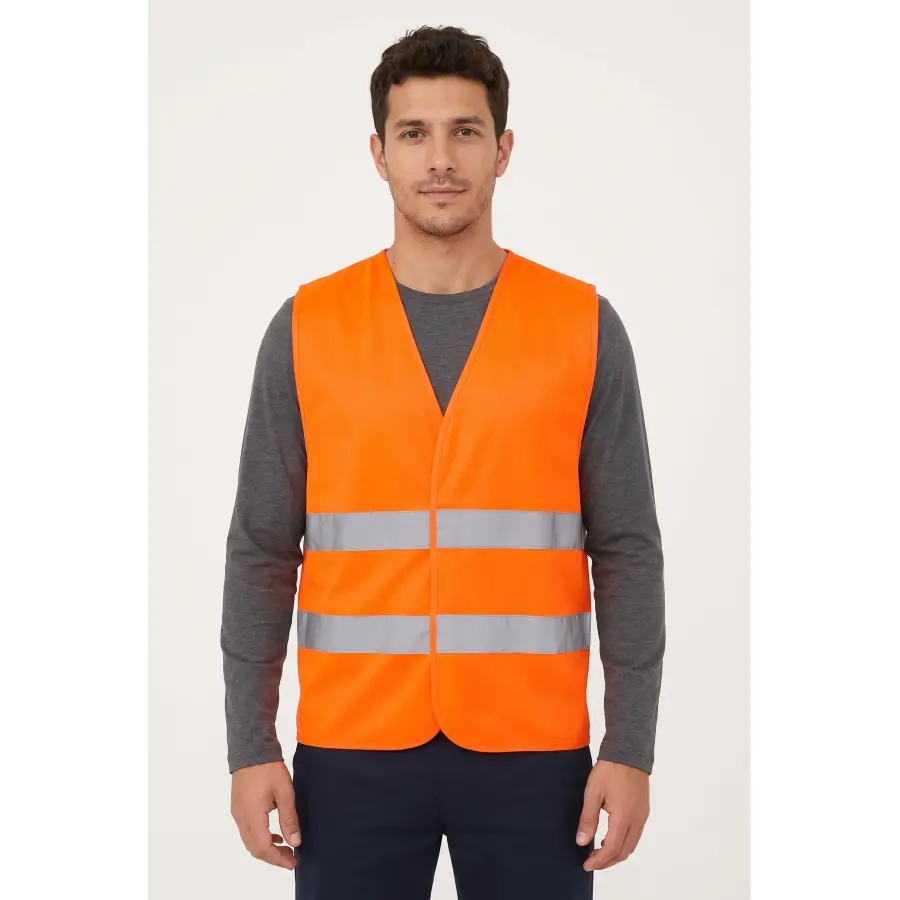




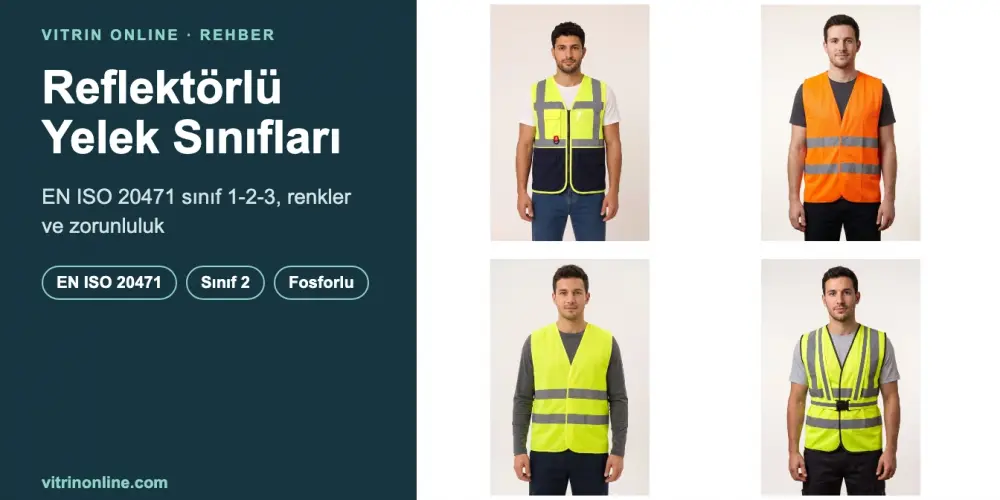
High-visibility (hi-vis) clothing is divided into three classes under EN ISO 20471. The class is determined by the minimum area of fluorescent background material and retroreflective tape: Class 3 0.80 m² background and 0.20 m² tape, Class 2 0.50 and 0.13 m², Class 1 0.14 and 0.10 m². Class 3 offers the highest visibility, and garments can be combined to achieve a higher class. In Türkiye, the PPE Regulation lists "work in areas where workers must be clearly visible" among the jobs that may require reflective clothing.
| Class | Fluorescent background (min.) | Retroreflective tape (min.) | Note |
|---|---|---|---|
| Class 3 | 0.80 m² | 0.20 m² | Highest visibility |
| Class 2 | 0.50 m² | 0.13 m² | – |
| Class 1 | 0.14 m² | 0.10 m² | Also an option of 0.20 m² combined-performance material |
Source: Snickers Workwear EN ISO 20471:2013 user booklet. uvex also states that the class is determined by the minimum area of background and reflective material. Check the class on the label of the product you buy.
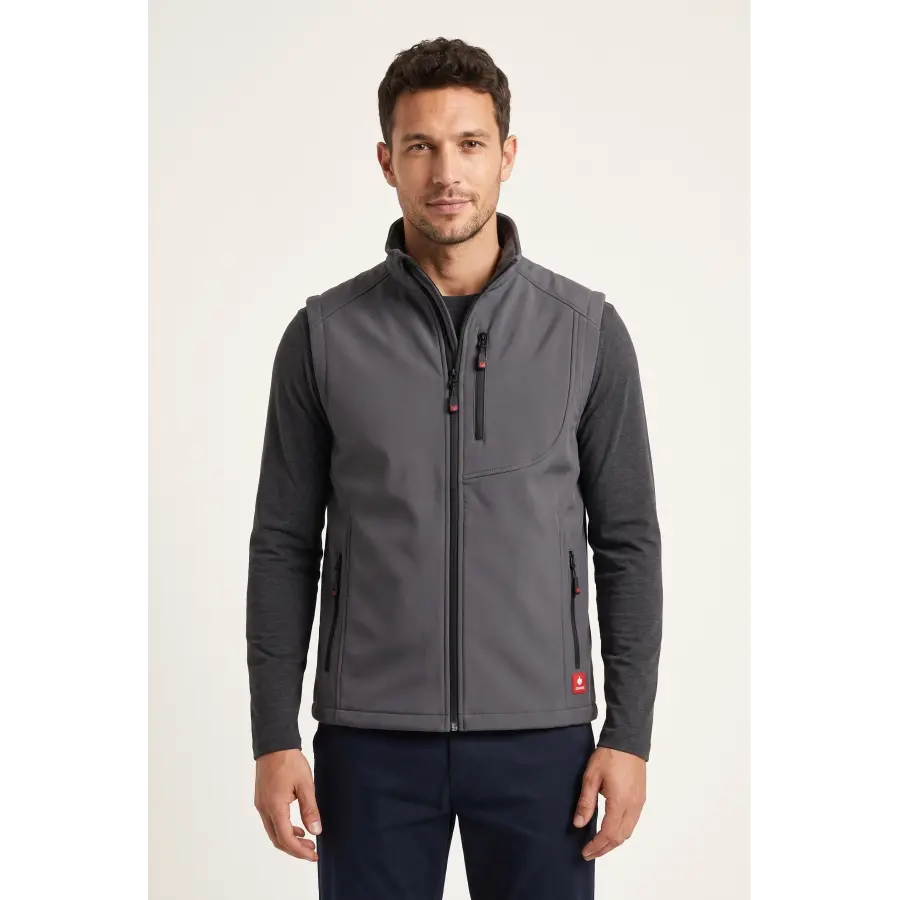
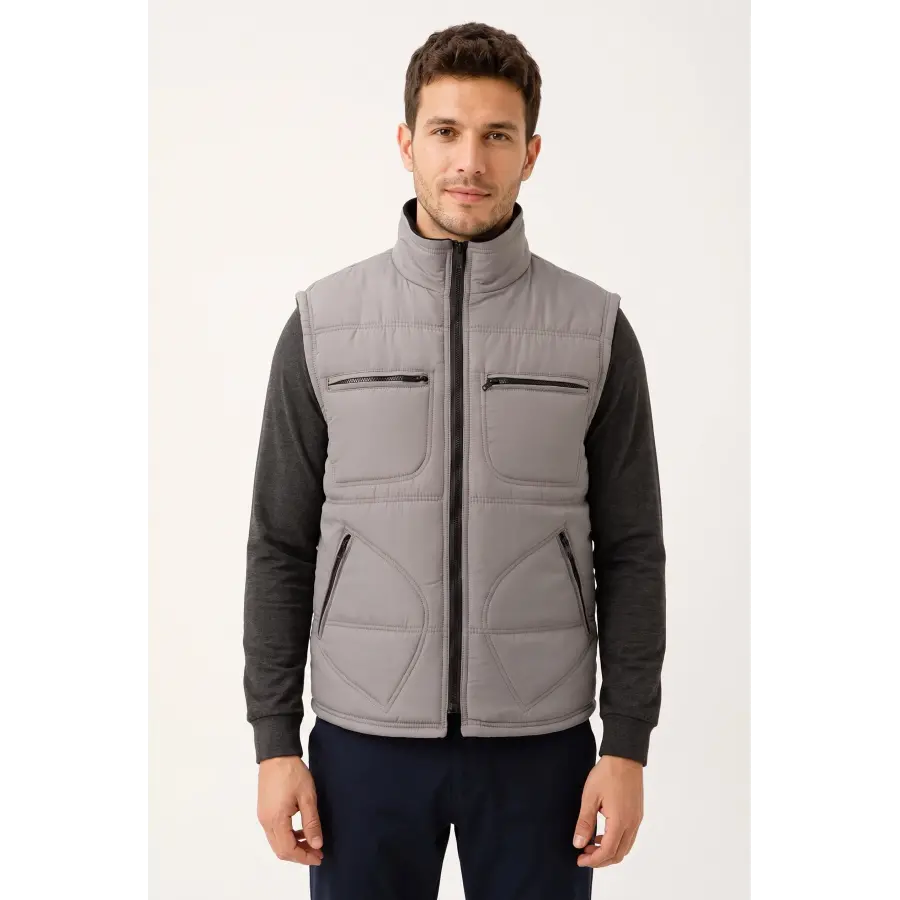
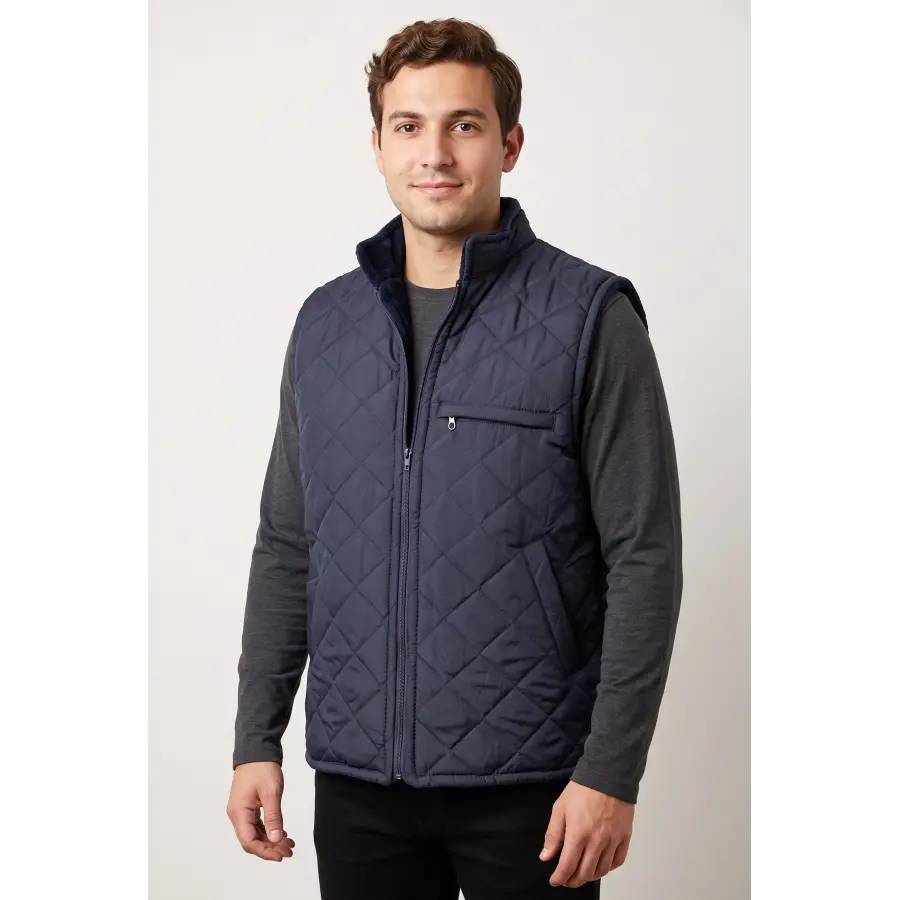
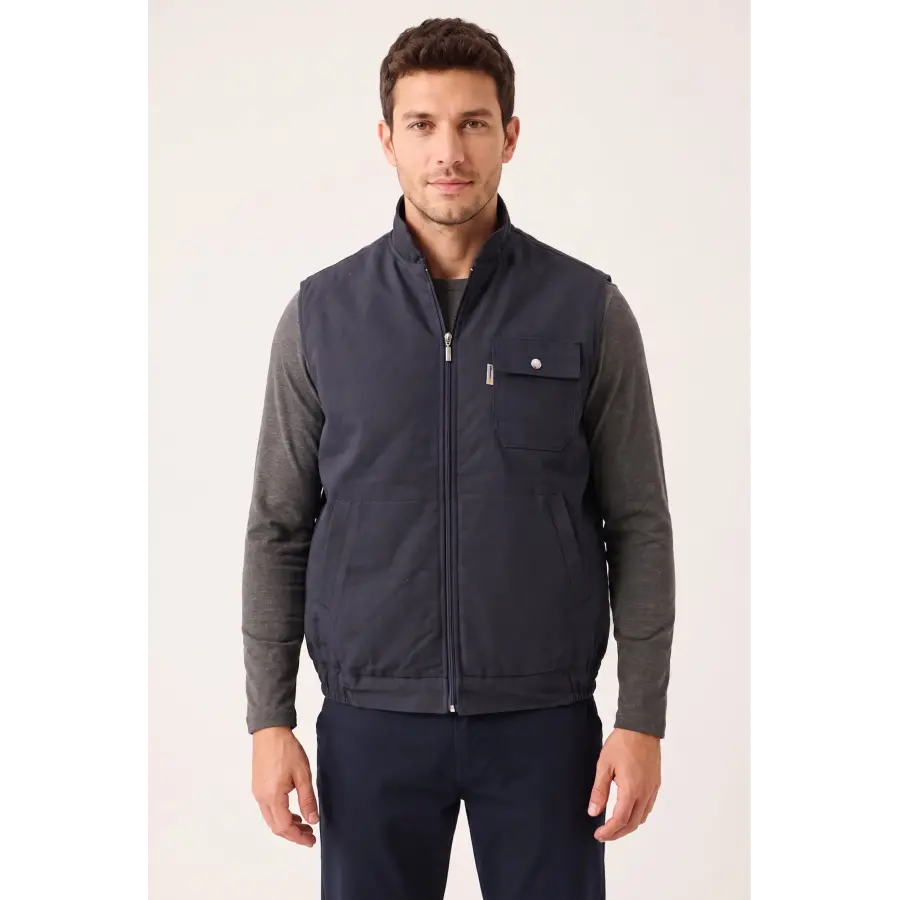
Multi-pocket hi-vis vest, fluorescent yellow · Multi-pocket hi-vis vest, fluorescent orange · Hi-vis safety vest with double reflective tape · Mesh reflective vest · Elasticated hi-vis vest with buckle
. If the product page does not state the class, ask us before ordering. All products: Vests.Under EN ISO 20471 there are Class 1, 2 and 3; the class is determined by the area of fluorescent background and reflective tape. Class 3 offers the highest visibility.
According to Türkiye's Ministry of Labour and Social Security (ÇSGB), high-visibility clothing is clothing with highly reflective properties and an easily noticeable background; the aim is for the worker to be clearly seen.
The required class is determined by the workplace risk assessment; for work requiring higher visibility, Class 3 is preferred, or garments are combined to raise the class.
Sources:Snickers EN ISO 20471 booklet (2018) · uvex protective clothing standards · Health and Safety Signs Regulation, Türkiye (Official Gazette 11.09.2013/28762) · PPE Regulation and annexes, Türkiye (mevzuat.gov.tr)
This guide was prepared by Vitrin Online on 10.10.2026. It provides general information and is not legal advice. Always follow the product's user instructions and your workplace risk assessment.


We use strictly necessary cookies to run this website. With your explicit consent we also use analytics and marketing cookies; in this context some data may be transferred to service providers outside Türkiye. You can change your choice at any time. Details: Cookie Policy