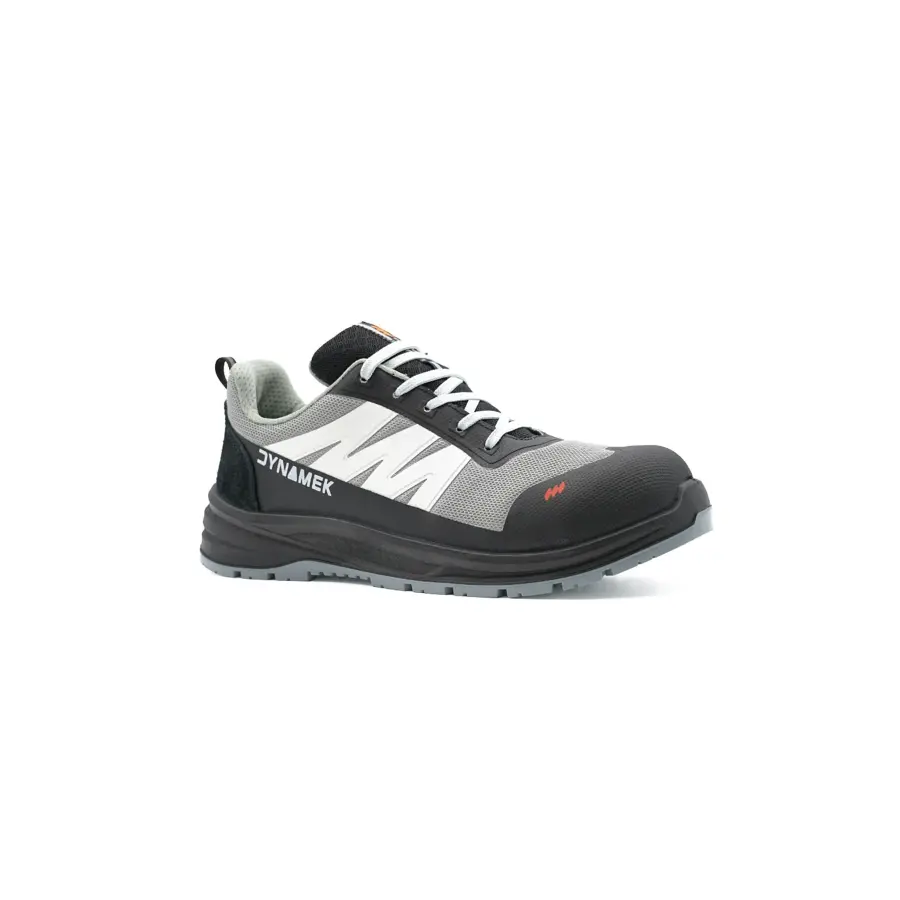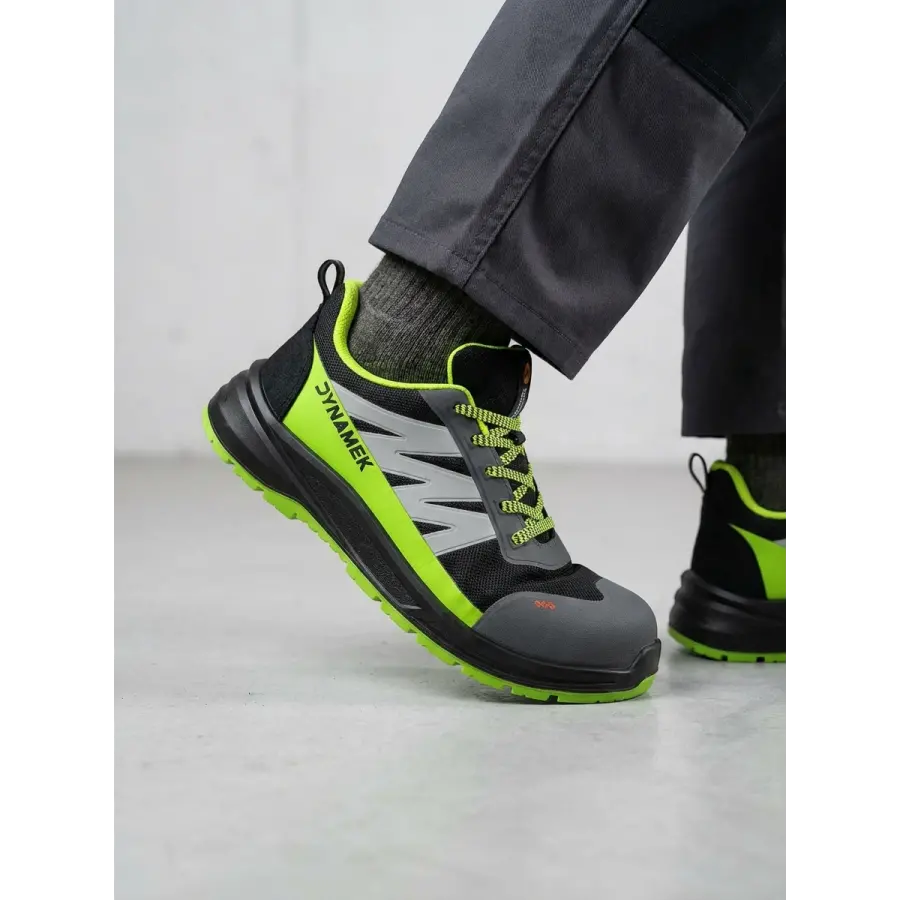





Personal protective equipment (PPE) such as safety shoes is determined by the workplace risk assessment and must be provided free of charge by the employer (PPE Regulation Art. 6/1-e); this cost cannot be passed on to employees (Law No. 6331, Art. 4/4). Ordinary work clothing and uniforms that are not specifically designed to protect the employee fall outside the scope of the PPE Regulation (Art. 2/2-a). The legislation sets no fixed replacement interval such as "once a year" or "every six months": the period of use depends on the risk, frequency of exposure, working environment and the performance of the equipment, and PPE is replaced with new equipment when necessary.
Under the Regulation on the Use of Personal Protective Equipment in the Workplace in Türkiye, the process works as follows:
Annex 3 of the Regulation lists examples of work where safety footwear may be required: structural and foundation work, work on scaffolding, work on construction sites and in warehouses, roofing work, transport and storage work, renovation and maintenance work, and work with frozen meat. The list also covers "similar work"; to see all the PPE for your type of work, you can use
our PPE selection matrix tool.The distinction matters here:
| Type of clothing | Status under the PPE Regulation |
|---|---|
| Ordinary work clothing, uniforms, corporate clothing | If not specifically designed to protect the employee's health and safety, it falls outside the scope of the Regulation (Art. 2/2-a). Whether it is provided may depend on the employment contract, collective agreement or workplace practice. |
| Protective clothing (e.g. against chemicals, heat, cuts) | It is PPE; it is determined by the risk assessment and provided free of charge. Example jobs are listed in Annex 3. |
| Reflective clothing (hi-vis vest) | Annex 3: "Work in places where employees must be clearly visible." |
| Weather-resistant clothing | Annex 3: "Working outdoors in cold and rainy weather." Details: Winter workwear guide. |
The PPE Regulation does not specify a set number of months or years. Instead:
The replacement schedule is therefore set in the workplace risk assessment and according to the service-life information in the manufacturer's user instructions. For safety helmets, for example, manufacturers state specific periods:
Safety helmet service life. Footwear should be replaced regardless of time once it is worn out or its sole or protective toe cap is damaged.The PPE Regulation states that PPE is to be provided free of charge (Art. 6/1-e), and Law No. 6331 states that the cost of occupational health and safety measures cannot be passed on to employees (Art. 4/4). Clauses such as "the cost will be deducted from wages" found in some sample issue forms may conflict with these provisions. For special cases such as loss or deliberate damage, consult your legal adviser.
The legislation does not prescribe a mandatory form called an "issue record"; however, a handover record is commonly kept to document that the PPE was issued free of charge and that the employee was informed. With our free
PPE issue record generator, you can prepare the record in a few minutes and download it as Word, Excel or PDF.Yes, if the risk assessment requires safety shoes; PPE is provided free of charge by the employer (PPE Regulation, Art. 6/1-e and Art. 7).
The legislation sets no fixed number. PPE that qualifies as protective clothing is replaced when necessary (Art. 8/3); for ordinary workwear, the employment contract or workplace practice applies.
There is no set number of months. The period of use is determined by the risk, frequency of exposure, working environment and the performance of the shoes (Art. 6/1-c); damaged shoes are replaced.
If the employer has identified safety shoes as necessary in the risk assessment and has issued them, the employee is obliged to use this equipment correctly (PPE Regulation, Art. 8/2; Law No. 6331, Art. 19).
Corporate clothing with no protective function is not covered by the PPE Regulation (Art. 2/2-a); in this case, the employment contract and workplace practice apply.
Bulk requirements for your team:
Corporate quotation · Order planner · Safety shoes · WorkwearSources:PPE Regulation and annexes (mevzuat.gov.tr) · Occupational Health and Safety Law No. 6331 (mevzuat.gov.tr)
This guide was prepared by Vitrin Online on 10.10.2026. It provides general information on the regulations in Türkiye and does not constitute legal advice. Always refer to the product's user instructions and your workplace risk assessment.


We use strictly necessary cookies to run this website. With your explicit consent we also use analytics and marketing cookies; in this context some data may be transferred to service providers outside Türkiye. You can change your choice at any time. Details: Cookie Policy