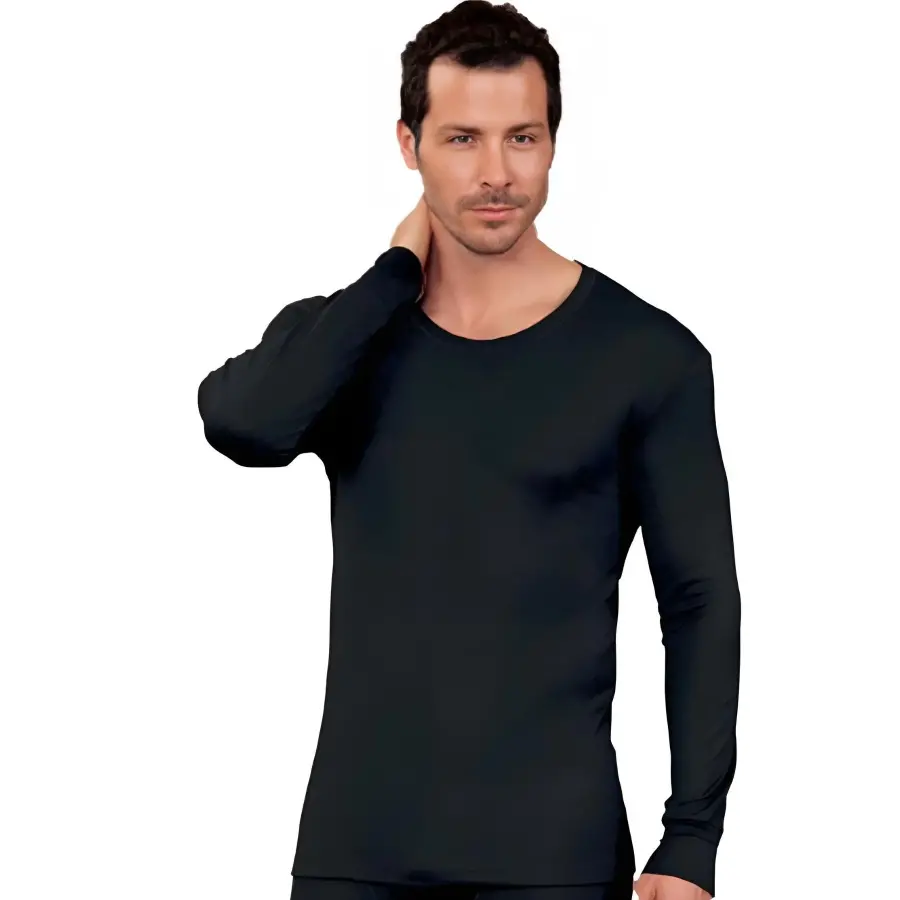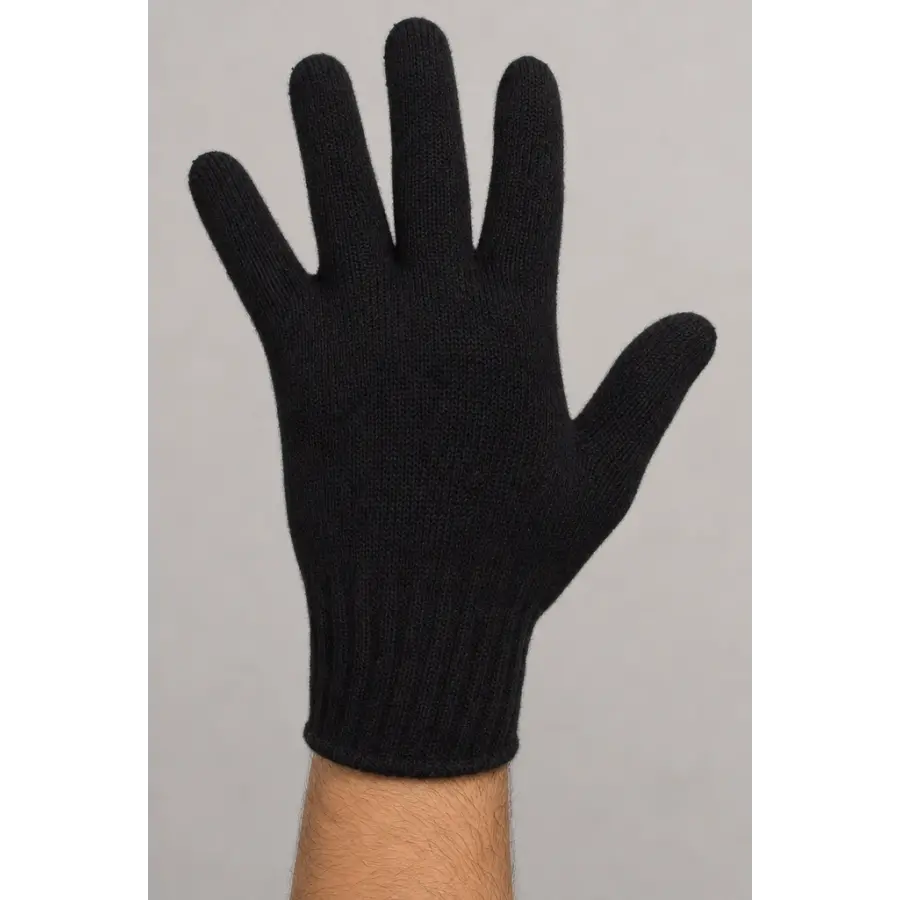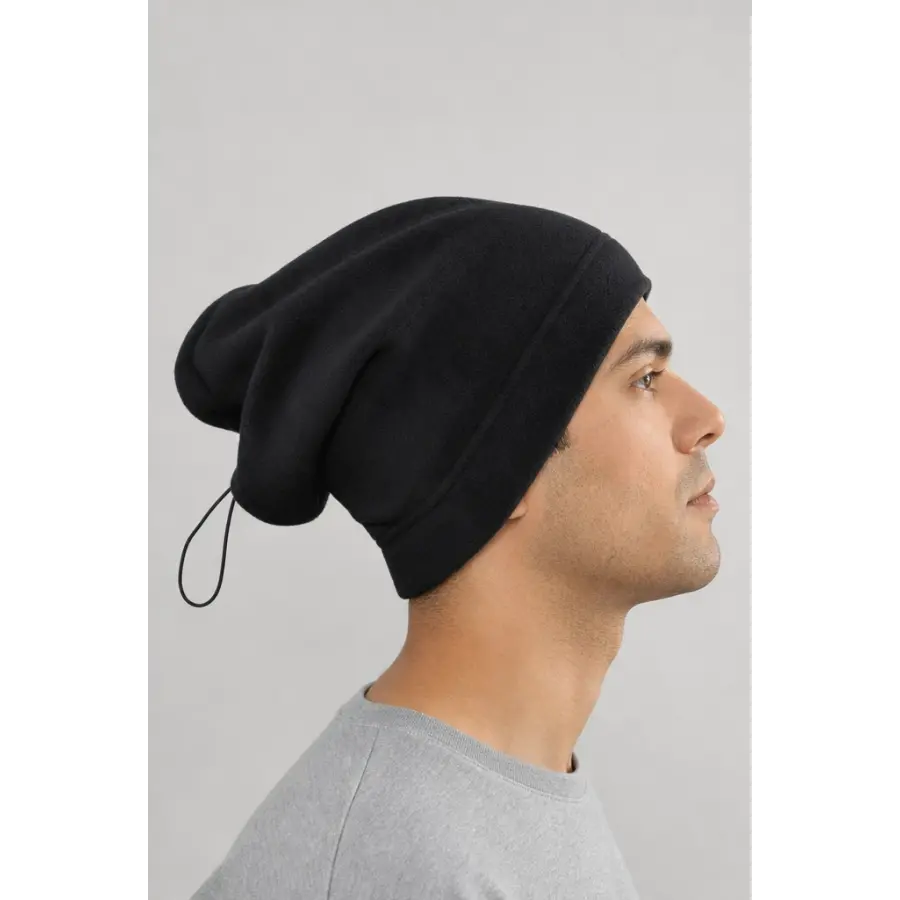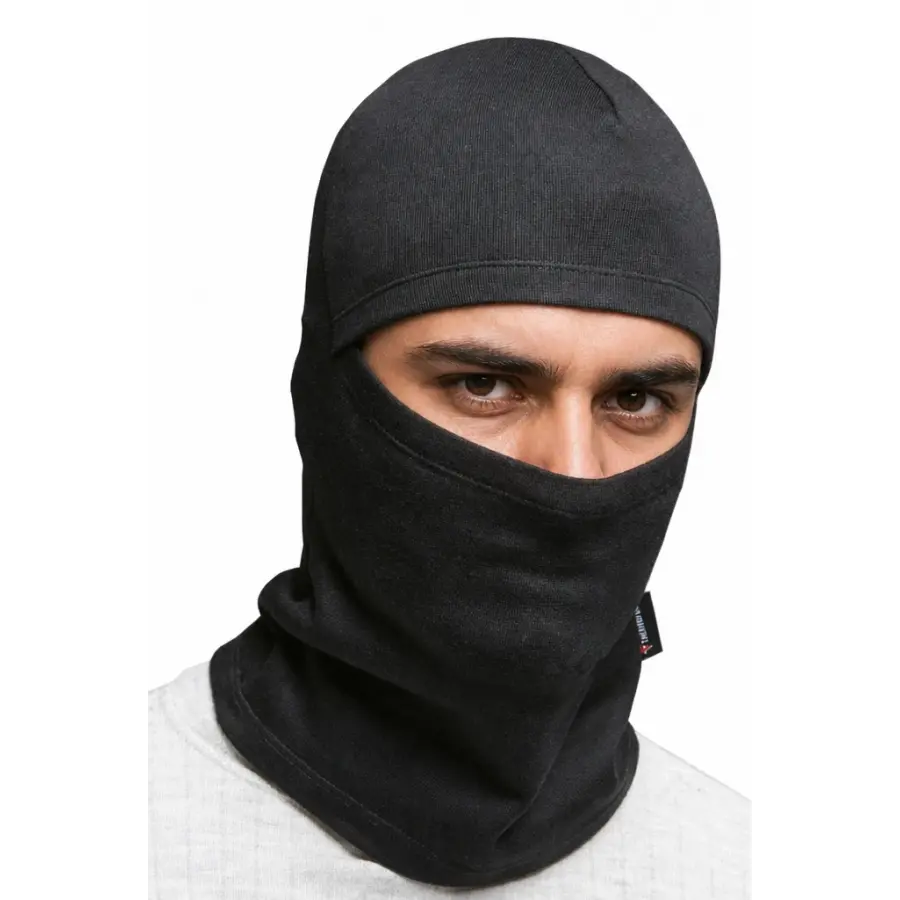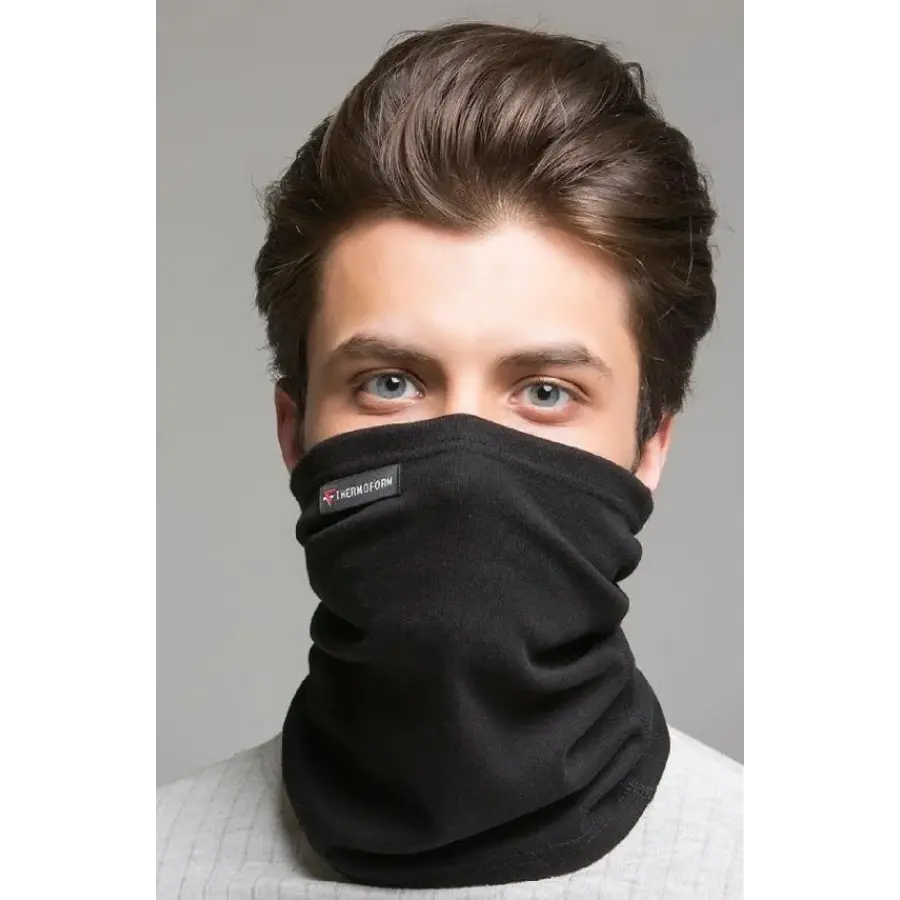





When working in the cold, choose layered work clothing: the base layer wicks moisture away from the skin (cotton is not recommended), the mid layer retains heat and the outer layer blocks wind and rain. For garments claiming protection against cold, look for EN 342 (−5 °C and below) or EN 14058 (cool environments above −5 °C); for gloves, look for EN 511; and for safety shoes, look for the CI marking for sole insulation against cold. The PPE Regulation in Türkiye lists "outdoor work in cold and rainy weather" among the activities that may require the use of weatherproof clothing.
Annex 3 of the PPE Regulation in Türkiye lists the following cold-related entries among the activities that may require the use of personal protective equipment (PPE):
| Annex 3 item | Work / activity | PPE |
|---|---|---|
| 7.1 | Outdoor work in cold and rainy weather | Weatherproof clothing |
| 6.1.5 | Work in deep-freeze rooms | Protective clothing |
| 6.6.4 | Work involving contact with extreme heat and cold | Gloves |
| 2.4.1 | Work with very hot or very cold materials | Protective footwear with insulating soles |
| 2.2.12 | Packing of canned food and work with frozen meat | Safety footwear without penetration-resistant midsoles |
The PPE list in Annex 2 also includes thermal clothing, heated vests, gloves protecting against heat and cold, thermal shoes and boots, and removable spikes for ice, snow and slippery surfaces. The Regulation excludes ordinary workwear and uniforms not specifically intended to provide protection (Art. 2/2-a). This means not every winter jacket is PPE; for products claiming protection against cold, check for the marking of the relevant standard. To see all PPE suited to your work,
use our PPE selection matrix tool.| Layer | Function | Example |
|---|---|---|
| Base layer | Wicks moisture away from the skin to keep you dry | thermal underwear; cotton is not recommended as it retains moisture |
| Mid layer | Retains heat while letting moisture escape | fleece or performance fabrics |
| Outer layer | Barrier against wind and rain | work jackets; for work in the rain, waterproof clothing with taped seams |
Layers should be close-fitting but not tight, so that air can circulate between them. Wearing several layers increases insulation. You can also refer to our
Outdoor and Tactical Clothing Guide, where we explain the layering principle and fabrics in detail.EN 342 covers clothing ensembles (two-piece suits or coveralls) and garments for protection against cold environments at −5 °C and below. Meaning of the label markings:
| Marking | Meaning |
|---|---|
| Icler (B / C / R) | Thermal insulation value (m²·K/W). B: ensemble measured with the notified body's reference underwear; C: ensemble measured with the manufacturer's underwear; R: value of a single garment |
| AP (1–3) | Air permeability class; 3 is best |
| WP (1–2) | Waterproofness class (optional); 2 is best |
| X | Indicates that the property has not been tested |
In the EN 342 user information, manufacturers provide a table showing, for each insulation value, the lowest ambient temperature the body can withstand for 8 hours and for 1 hour. The values below apply to a standing (stationary) person; read them against the Icler value on your own product's label:
| Icler (m²·K/W) | Wind 0.4 m/s – 8 hours | Wind 0.4 m/s – 1 hour | Wind 3 m/s – 8 hours | Wind 3 m/s – 1 hour |
|---|---|---|---|---|
| 0.265 | 13 °C | 0 °C | 19 °C | 7 °C |
| 0.310 | 10 °C | −4 °C | 17 °C | 3 °C |
| 0.390 | 5 °C | −12 °C | 13 °C | −3 °C |
| 0.470 | 0 °C | −20 °C | 7 °C | −9 °C |
| 0.540 | −5 °C | −26 °C | 4 °C | −14 °C |
| 0.620 | −10 °C | −32 °C | 0 °C | −20 °C |
Source: Snickers Workwear EN 342:2017 user information (calculated at approx. 50% relative humidity and a walking speed of 1 m/s). The table clearly shows how much wind increases the need for protection.
EN 14058 covers garments for cool environments above −5 °C and targets a lower level of protection than EN 342, for example in cold stores for food. Footwear, gloves and separate headwear are not covered by this standard.
| Digit | Property | Level |
|---|---|---|
| 1 | Resistance to convective cold (thermal insulation of the glove) | 0–4 |
| 2 | Resistance to contact cold (when touching cold objects) | 0–4 |
| 3 | Water penetration: 1 if no water penetrates by the end of the test, 0 if it does | 0 or 1 |
CI indicates the cold insulation of the sole complex in safety shoes. In the EN ISO 20345 test, the footwear is tested at (−17 ± 2) °C, and the temperature drop on the upper surface of the insole must not exceed 10 °C. For example,
the protection class of the Techno Alaska S5 safety wellington boot is stated as S5 CI.For other label markings (such as S3, WPA, SR), see the
How to read a safety shoe label guide, and for the right size, the size chart. When trying on shoes to be worn with thick winter socks, wear those socks.Ordinary workwear and uniforms are outside the scope of the PPE Regulation in Türkiye (Art. 2/2-a). Garments used for protection in cold environments and certified for that purpose, however, are considered PPE as climate-resistant or thermal clothing; check the label for the EN 342 or EN 14058 marking.
EN 342 is for cold environments at −5 °C and below, while EN 14058 is for cool environments above −5 °C. EN 14058 targets a lower level of protection.
In Türkiye, Annex 3 of the PPE Regulation lists protective clothing for "work in deep-freeze rooms", gloves for "work involving contact with extreme heat and cold", and safety footwear for work with frozen meat. The definitive list is determined by your workplace risk assessment.
It shows that the sole has passed the cold insulation test: at (−17 ± 2) °C, the temperature drop on the insole surface must not exceed 10 °C.
Product categories:
Cold-weather clothing · Work coats and winter work jackets · Fleece jackets · Beanies and knitted caps · Work rain jackets · Corporate bulk ordersSources:PPE Regulation (Türkiye) and its annexes · Turkish Ministry of Labour and Social Security (ÇSGB) PPE Portal – Hand and arm · Snickers Workwear EN 342:2017 and EN 511 user information; layering guide · BSI product pages (EN 342, EN 14058, EN 343, EN ISO 24232) · Delta Plus EN ISO 20345:2022+A1:2024 user instructions (CI) · Lyngsøe Rainwear EN 343
This guide was prepared by Vitrin Online on 10.10.2026. Summaries of standards are for general information only; always rely on the markings on the product label and your workplace risk assessment.


We use strictly necessary cookies to run this website. With your explicit consent we also use analytics and marketing cookies; in this context some data may be transferred to service providers outside Türkiye. You can change your choice at any time. Details: Cookie Policy